 Kristina Vankova
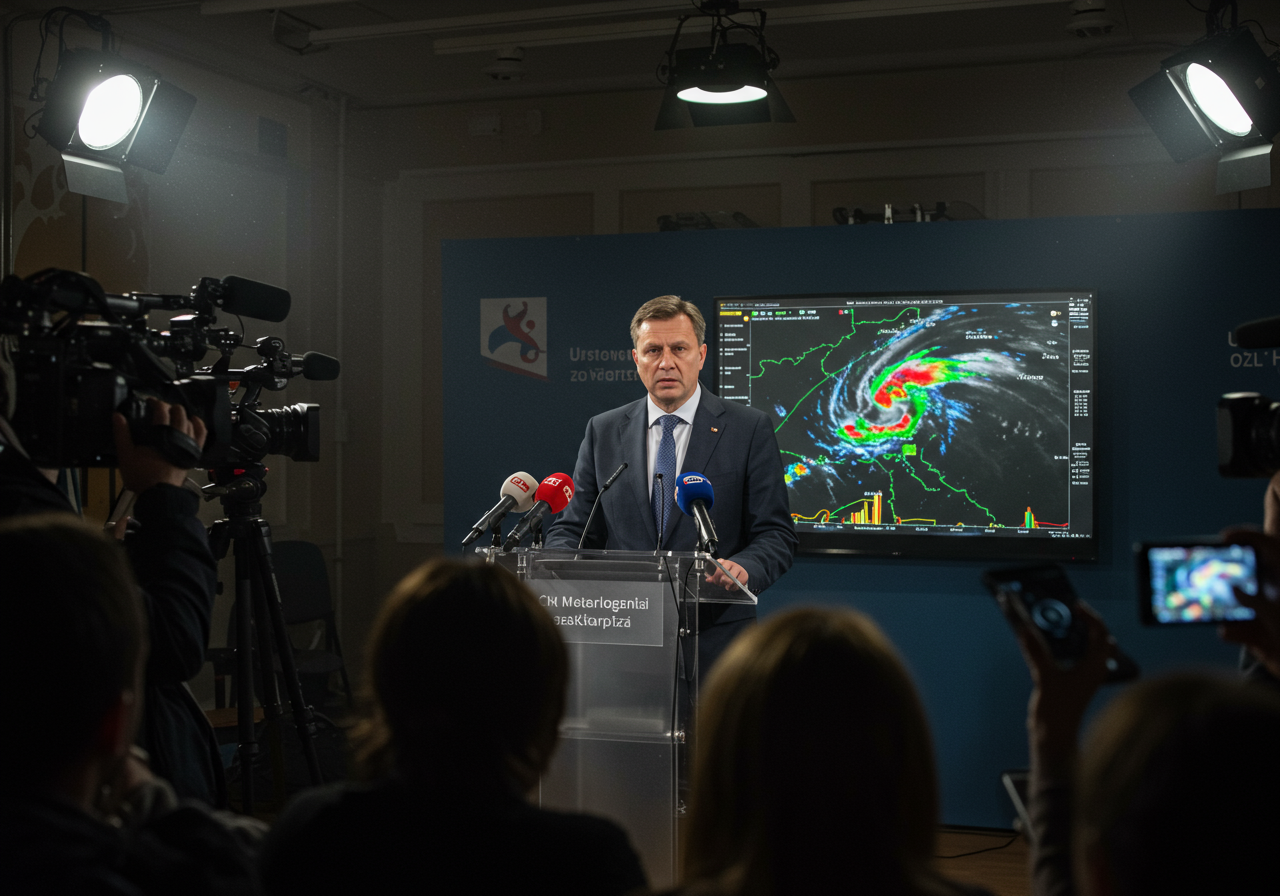
The chief of the Czech Hydrometeorological Institute, Mark Rieder, has raised a red flag on the pressing need for heightened weather vigilance. Rieder’s appeal underscores the critical role of foresight and caution in averting natural disasters, especially in light of increasingly erratic weather patterns. His words serve as a reminder that proactive measures can significantly mitigate the impacts of adverse weather events, thus protecting lives and valuable assets. With climate change bringing about more unpredictable weather, understanding and heeding early warnings comes to the forefront as a crucial strategy for disaster prevention.
Recent weather events across different parts of the world, including Jeseníky, Valencia, and Texas, reflect an alarming trend of escalating climatic upheavals. These areas have experienced varying degrees of natural adversities, from severe flooding to intense heatwaves. Rieder points out that while these phenomena demand attention locally, they also suggest a broader global climate shift that necessitates a coordinated response. The primary goal remains clear: prepare and prevent, thereby reducing the potential for catastrophic outcomes.
The Importance of Weather Warnings
Weather warnings serve as a critical line of defense against natural disasters. Rieder emphasizes that early alerts provide communities with the opportunity to take precautionary measures, significantly reducing potential damage and ensuring public safety. In the Czech Republic, the meteorological institute plays a pivotal role in disseminating timely information to the public and local authorities. These alerts range from minor advisories to severe warnings, each carrying specific instructions aimed at minimizing risk.
For instance, in the mountainous region of Jeseníky, recent weather forecasts indicated potential flash flooding due to heavy rainfall. Thanks to early warnings, local authorities were able to prepare emergency services, and residents were prompted to secure their belongings and evacuate vulnerable areas, if necessary. Such preparedness underscores how effective communication of weather forecasts can transform an impending threat into a manageable situation.
Similarly, Valencia in Spain has had its share of weather challenges. Rieder recounts how vigilant monitoring of weather systems in this picturesque city prevented a severe storm from turning into a full-blown disaster. Spanish meteorological authorities, following the alert, mobilized defenses that significantly curbed flooding that could have otherwise wreaked havoc on homes and businesses.
Lessons from Texas
Texas offers a poignant example of why weather vigilance cannot be overstated. The state has faced numerous weather-related calamities, from hurricanes to winter storms. Rieder notes that reactive measures are often insufficient when the scale of disaster unfolds rapidly. Instead, a culture of preparedness ingrained in community consciousness remains the most reliable form of resilience.
He draws attention to the historic winter storm Uri, which swept across the United States, hitting Texas particularly hard in February 2021. The event underscored vulnerabilities in infrastructure, prompting a reevaluation of how weather warnings are perceived and acted upon. Since then, Texas has made strides in building a more robust response mechanism, demonstrating that while weather cannot be controlled, the extent of its impact can be significantly lessened through readiness and robust systems.
Technological Innovations in Meteorology
Technological advancements have transformed meteorology, enabling more precise and timely weather predictions. This development is crucial in fostering an environment where early warnings can lead to effective decision-making. Satellites, radar systems, and sophisticated modeling software now provide a wealth of data critical for accurate forecasting.
Rieder is optimistic about the progress in meteorological science, noting the increasing accuracy in predicting weather patterns. This advancement allows for better planning and resource allocation, be it for flood defenses, evacuation plans, or public safety advisories. As such, technology stands at the frontline in the global effort to combat the adverse effects of climate change.
Furthermore, the integration of real-time data through mobile apps and online platforms ensures that weather warnings reach the public swiftly. This immediacy is vital in ensuring that the public can respond quickly and appropriately to imminent threats.
The Role of Education and Public Awareness
Despite advancements, the efficacy of weather predictions hinges largely on public awareness and education. Rieder stresses that understanding weather warnings and the underlying science should be part of public knowledge. This comprehension is essential for fostering a society that values and recognizes the importance of proactive disaster management.
Public campaigns and educational programs on weather preparedness, such as risk assessment and response strategies, form a crucial component of Rieder’s vision. Ensuring that communities are educated about the implications of different weather warnings and the appropriate responses is invaluable in reducing panic and confusion during weather events.
Call for International Collaboration
Rieder’s appeal extends beyond the borders of the Czech Republic, advocating for international collaboration in meteorology and disaster management. He highlights the interconnected nature of weather systems that transcend national boundaries, necessitating a unified approach to tackling climate-related challenges.
The collaboration, he suggests, can take many forms: from sharing meteorological data to joint research initiatives on climate adaptation strategies. Such partnerships not only enhance the global understanding of weather phenomena but also strengthen international resilience against natural disasters.
By pooling resources and expertise, nations can develop more comprehensive and efficient responses, mitigating the impacts of extreme weather events on a global scale. Collaborative efforts can also facilitate knowledge exchange, enabling countries to learn from one another’s experiences and best practices in disaster preparedness.
Conclusion: A Call for Action
The overarching message from Rieder is clear – vigilance, preparedness, and collaboration are crucial in the fight against climate-induced disasters. With weather patterns becoming increasingly unpredictable, the responsibility to heed warnings and act diligently falls on individuals, communities, and nations alike. By embracing a proactive stance, the likelihood of minimizing the impact of natural disasters becomes significantly more achievable.
Rieder’s call is a powerful reminder that while we may not have control over the weather, we do hold the power to safeguard our communities through awareness and preparation. It is a call to action that seeks to transform complacency into readiness, ensuring a safer and more resilient future for all.