 Kristina Vankova
In recent times, a significant portion of women residing in London have voiced rising concerns about their safety while navigating the streets of this bustling metropolis. These growing apprehensions highlight an urgent issue in some urban environments—where safety, especially the safety of women, remains a prominent concern.
Rising Concerns in the Capital
According to recent surveys, over half of the women in London report feeling unsafe when alone or during the nighttime in public spaces. This anxiety reflects broader social and cultural issues that impact how safe women feel in their daily lives. As urban areas evolve, so do the challenges women face, making it crucial to address these concerns both immediately and effectively.
Public perception of security can be influenced by a variety of factors, including recent crimes, media reports, and personal experiences. As such, these perceptions need to be continuously monitored and addressed by authorities and community leaders.
Factors Affecting Women’s Safety
The fear expressed by many women in London’s public spaces often ties back to specific incidents or trends that have emerged over time. Street harassment, inadequate street lighting, isolated transit areas, and delayed law enforcement responses contribute significantly to the anxiety women feel. These factors combined create an environment where safety becomes a matter of constant concern.
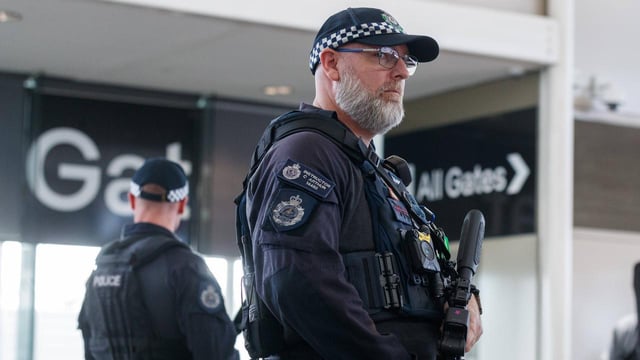
Many women’s advocacy groups have pointed out that comprehensive solutions must be adopted to tackle this multifaceted issue. Solutions include improving city planning, increasing police patrols in high-risk areas, and implementing more effective street lighting. To genuinely make public spaces more secure, these steps must be paired with public awareness initiatives that encourage respect and equity.
Steps Towards a Safer Environment
Government bodies and local councils are increasingly recognizing the need to enhance safety measures across the city. Initiatives are underway, including the development of mobile apps that allow quick reporting of incidents and the installation of emergency phone stations in remote locations. Furthermore, educational campaigns aim to alter societal attitudes towards women’s rights to security and respect.
Empowering women to take part in safety discussions also holds significant potential. Platforms where women can share their experiences and collaborate with local authorities can pave the way for more inclusive strategies. Establishing an open dialogue might also foster better community relationships, promoting a more united front against safety challenges.
Ultimately, achieving meaningful progress requires a collaborative effort from all sectors of society, including law enforcement, city planners, and community organizations. By acknowledging the depth of these security concerns and dedicating resources to address them, London can aspire to become a city where everyone, irrespective of gender, can feel safe and secure.
The need for a safer environment for women in public spaces is pressing not only in London but globally. By continually assessing and adjusting strategies, urban areas worldwide can strive to offer safe, welcoming environments where all citizens can thrive without fear.