 Kristina Vankova
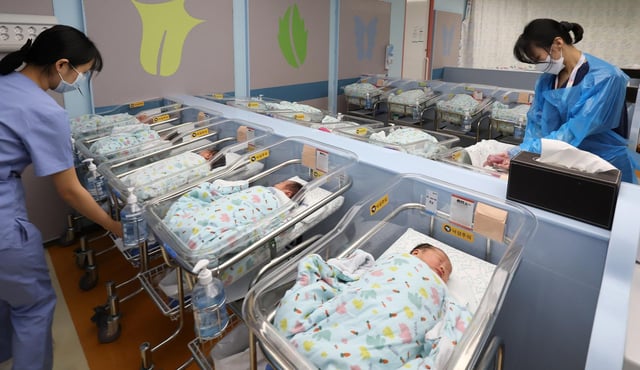
In a notable demographic development, Korea has reported an increase in birth rates for the 16th consecutive month as of October. This sustained rise in childbirth figures highlights a possible shift in demographic trends, drawing attention from social scientists and policymakers alike.
Understanding the Demographic Shift
The continuous rise in birth rates is a significant departure from past trends in Korea, where concerns about declining birth rates and aging populations have been prevalent. Factors attributing to this upward trend include various governmental incentives, lifestyle changes, and evolving socio-economic conditions.
Several initiatives implemented by the Korean government have aimed to encourage higher birth rates. These measures include financial support for families, improved parental leave policies, and enhanced childcare services. By investing in family-friendly environments, South Korea suggests that it could establish a more sustainable demographic model moving forward.
Policy Implications and Social Impact
This increase in birth rates could carry significant implications for a society facing the challenges of a shrinking workforce and increasing geriatric demands. Policy makers may need to reassess social services, healthcare, and education systems to accommodate the needs of a growing younger population.
Family Support Initiatives
- Financial assistance programs for new or expecting parents
- Extended parental leave policies to aid work-life balance
- Investment in childcare facilities and services
By addressing economic and social barriers to family growth, these policies significantly contribute to the sustained rise in birth rates.
Economic Ramifications
The prospective increase in future workforce size could invigorate Korea’s economy, facilitating greater economic productivity and innovation. A youthful population may enhance consumer markets, drive demand for various services, and support economic growth through new enterprise and entrepreneurship opportunities. Nevertheless, the necessity for improved services and infrastructure should not be understated, necessitating further investment and planning.
Although it presents challenges, this population growth can be viewed as a strategic advantage, capable of rejuvenating industries and bolstering Korea’s global economic positioning.
The evolving demographic landscape in Korea provides an intriguing case study for other nations grappling with similar population declines. By implementing progressive policies and creating environments conducive to family growth, these changes may offer insight into potential solutions on a broader international scale.
Looking ahead, Korea’s ability to maintain this upward trend will depend on consistently supportive policies, economic stability, and cultural acceptance towards family growth. The outcomes of these efforts will continue to be closely watched, both by domestic observers and the global community.