 Jan Nettig
Ingredients Used in Czech Pastries and Desserts: Poppy Seeds
Butter, eggs, flour, and sugar are the mainstay ingredients used in Czech pastries and desserts. These basic components form the foundation of many traditional Czech recipes, lending their rich flavors and textures to the final confections.
However, Czech pastries and desserts are not limited to these simple ingredients. Creativity and innovation have led to the incorporation of various fruits, nuts, and spices, adding depth and complexity to the culinary delights. From the classic sweet pastries filled with fruit preserves, cream, or cream cheese to the delectable layered cakes adorned with intricate decorations, Czech pastries and desserts showcase a harmonious balance of flavors and ingredients that truly tantalize the taste buds.
Additionally, Czech pastries and desserts often feature dairy products such as milk, sour cream, or cottage cheese. These ingredients contribute to the creamy and indulgent nature of many Czech delicacies. Melted butter is also a key ingredient for enhancing the flavor of traditional Czech sweets, adding a rich and decadent touch. In particular, cottage cheese is a popular ingredient that is used to create fluffy fillings in pastries and to add a unique texture to desserts.
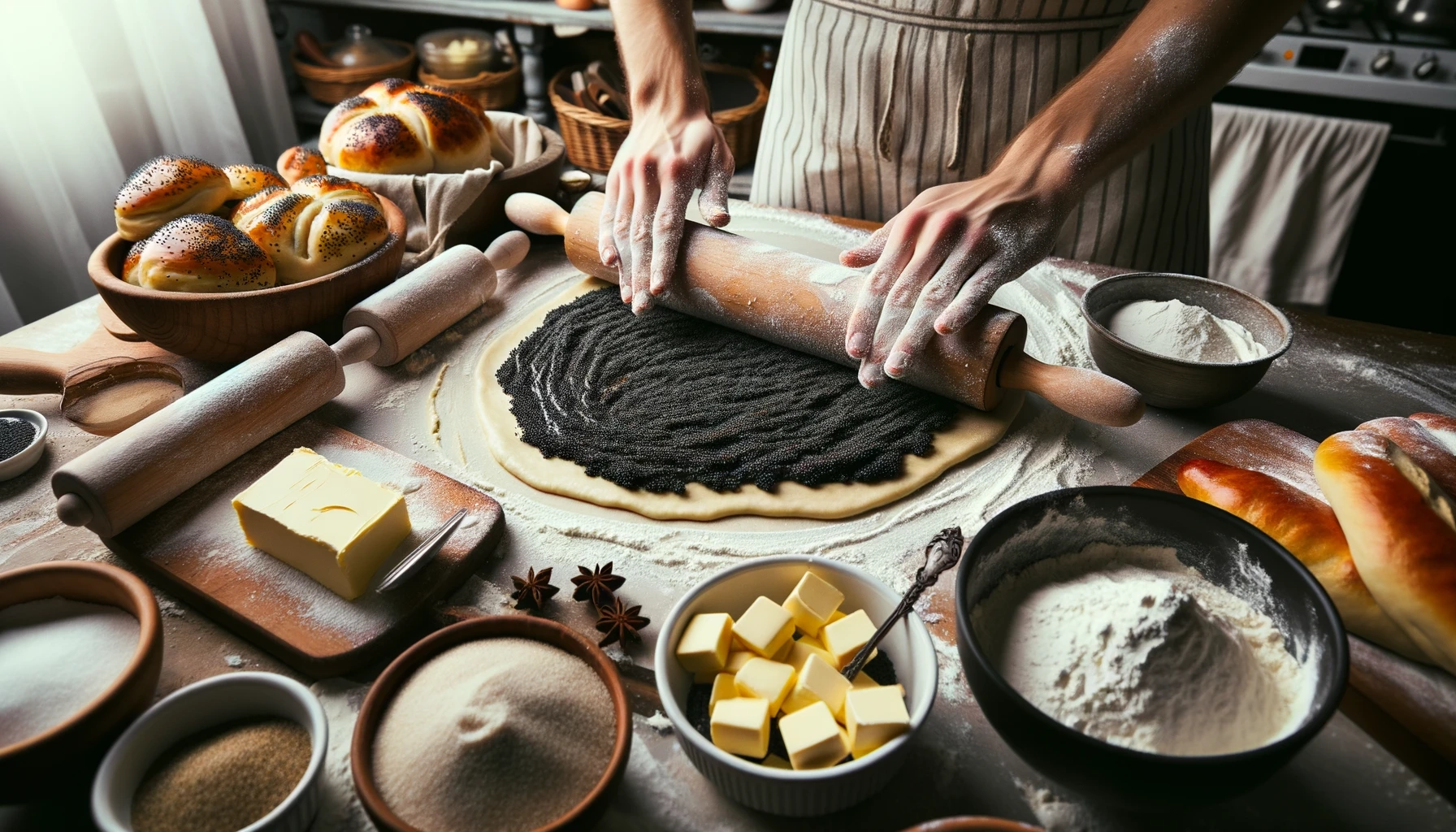
Alongside the dairy products, nuts like almonds, walnuts, and poppy seeds are frequently employed in Czech baking. These crunchy and aromatic additions provide a welcome contrast to the softness of the pastries or the smoothness of the cream, showcasing the attention to detail and thoughtful combinations that define Czech pastry making.

Traditional Czech Pastry Recipes
The Czech Republic is renowned for its delectable pastries, which have been handed down through generations. These traditional Czech pastry recipes are treasured for their rich flavorsunique textures.
One such recipe is the trdelník, a sweet, spiral-shaped pastry made from dough that is wrapped around a wooden stick, grilled, and then coated in a mixture of sugar and ground walnuts. The trdelník is a popular street food in Czech cities and is often enjoyed with a cup of hot mulled wine during the winter months.
Trdelník, often presented to tourists as “a traditional Czech cake” or “the old Bohemian pastry,” is not originally a Bohemian dish. Its roots trace back to the northern part of the historical Kingdom of Hungary. In the mid-19th century, it was recognized as a Slovak dish, and by the 20th century, it was associated with Moravia. While similar pastries were also popular in the Hungarian-speaking part of Transylvania (present-day Romania), the term “trdelník” is of Czech-Slovak origin. The name “trdlo” refers to the wooden tool around which the cake ingredients are wrapped during cooking, giving it its distinctive hollow shape. In the 21st century, trdelník gained immense popularity among tourists in the Czech Republic, Hungary, and Slovakia, especially in . However, its widespread presence in Prague is a relatively recent phenomenon, and it’s essential to differentiate between its touristic appeal and its historical origins.

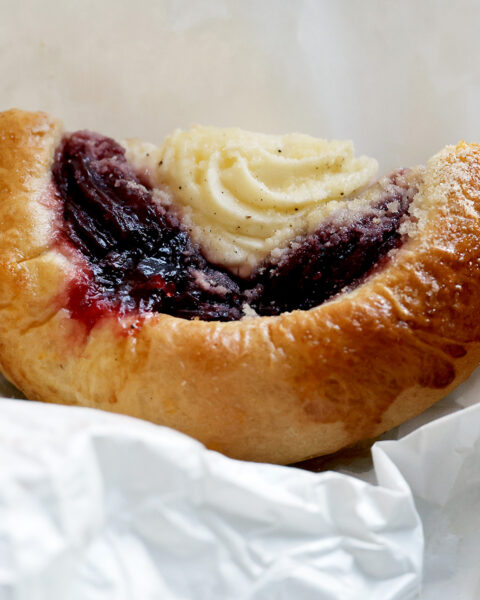
Another beloved traditional Czech pastry is the kolache, a sweet bread-like dough filled with various fillings such as fruit, cheese, or poppy seeds. The dough is traditionally made with yeast, which gives it a light and fluffy texture. The word kolache comes from the Czech word ‘kola,’ meaning wheels, highlighting its round shape. Kolaches are a staple at Czech family gatherings and are often served at breakfast or as a dessert. The fillings can vary depending on personal taste and the season, with popular choices including apricot, plum jam, or cherry.
These traditional Czech pastry recipes are not only delicious but also showcase the country’s rich culinary history.
- Trdelník:
- Sweet, spiral-shaped pastry
- Made from dough wrapped around a wooden stick
- Grilled and coated in a mixture of sugar and ground walnuts
- Popular street food in Czech cities
- Kolache:
- Sweet bread-like dough
- Filled with various fillings such as fruit, cheese, or poppy seeds
- Light and fluffy texture from yeast
- Served at Czech family gatherings
- Popular choices include apricot, plum jam, or cherry fillings

A Brief History of Czech Pastries and Desserts
Czech pastries and desserts have a rich and diverse history that dates back centuries. Influenced by a combination of German, Austrian, and Hungarian culinary traditions, Czech pastries have evolved into a unique and beloved part of the country’s gastronomy.
The origins of Czech pastries can be traced back to the Middle Ages when Czech lands were part of the Holy Roman Empire. During this time, bakers began experimenting with different types of dough and fillings, creating a variety of pastries that would become staples in Czech cuisine.
Over the years, these pastries became an integral part of Czech culture, with each region developing its own unique recipes and techniques. Today, Czech pastries are not only enjoyed in the Czech Republic but have also gained popularity worldwide, captivating food lovers with their delicate texturesmouthwatering flavors
Key Points:
- Czech pastries have a rich and diverse history.
- Influenced by German, Austrian, and Hungarian culinary traditions.
- Each region in the Czech Republic has its own unique recipes and techniques.
- Czech pastries are popular worldwide for their delicate textures and mouthwatering flavors.
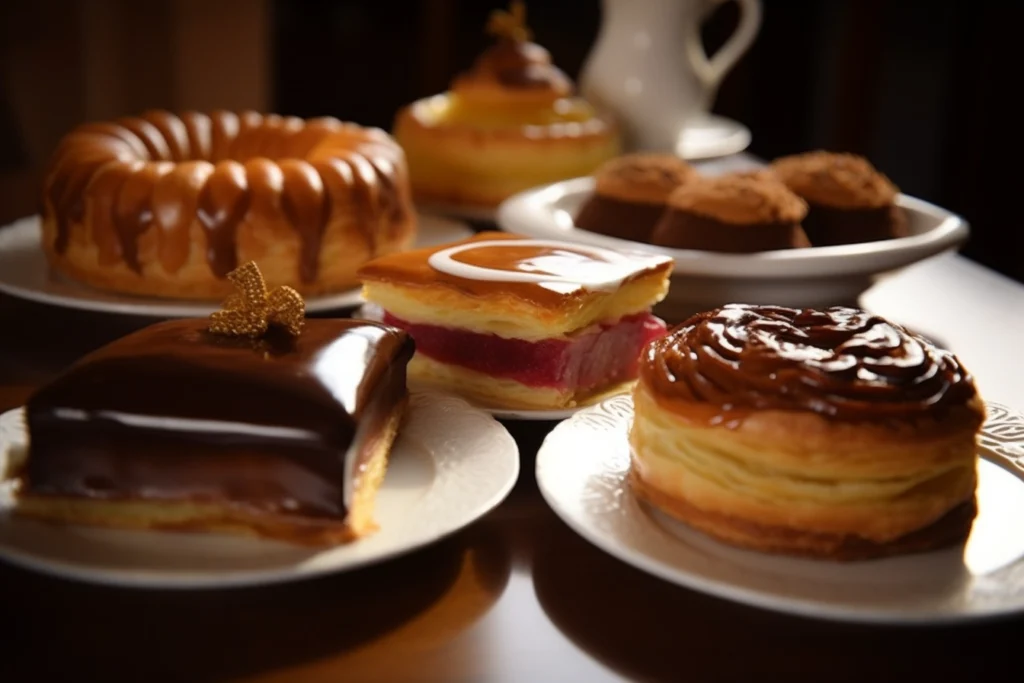
The Influence of Austrian and Hungarian Cuisine on Czech Pastries
The culinary history of Czech pastries and desserts is rich and diverse, drawing influences from various cultures. One of the significant influences can be attributed to Austrian and Hungarian cuisine. The close proximity of these countries to the Czech Republic has led to a substantial exchange of culinary traditions over the years.
Austrian cuisine, known for its indulgence in pastries and desserts, has imparted its expertise to Czech bakers. Techniques such as layering delicate doughs to create flaky pastries and using rich fillings like apricot jam or poppy seeds have found their way into traditional Czech pastry recipes. The Austrian influence can be seen in popular Czech pastries such as kolache and buchty, which share similarities with Austrian pastries like strudels and Linzer cookies
Similarly, Hungarian cuisine has played a role in shaping the flavors of Czech pastries. The love for rich spices and hearty ingredients seen in Hungarian dishes has found its way into Czech desserts. Traditional Hungarian flavors like poppy seeds and walnuts can often be found in Czech pastries, adding depth and complexity to the sweet treats. The Hungarian influence can be seen in popular Czech sweets such as trdelník, a sweet pastry made by wrapping dough around a cylindrical spit and baking it to perfection.
The influence of Austrian and Hungarian cuisine on Czech pastries has been a delightful fusion, blending the culinary traditions of these neighboring countries. This exchange has resulted in the creation of unique and scrumptious Czech pastries that continue to be savored by locals and visitors alike.

Czech Desserts for Special Occasions: Plum Dumplings
Czech desserts hold a special place in the hearts of many Czech people, and they often play a significant role in festive occasions and celebrations. When it comes to special occasions, such as weddings, birthdays, or holidays, Czech desserts take center stage, mesmerizing guests with their delicious flavors and superb presentation.
These desserts are not only a treat for the taste buds but also a feast for the eyes, as they are often beautifully decorated with intricate designs and elegant garnishes.
One of the most beloved Czech desserts for special occasions is the “Trdelník,” a sweet pastry made by wrapping dough around a metal cylinder and roasting it over an open flame. This delightful treat is then generously coated with sugar and ground walnuts, creating a mouthwatering combination of crunchy exterior and soft, pillowy interior
Another crowd favorite is the “Medovník,” a layered honey cake that is spiced with cinnamon and often filled with a creamy, sweetened condensed milk filling. Another popular choice for special occasions is the fruit cake, a layered cake made with sponge cake and fruit filling. Both fruit cake and Medovník have a long shelf life and are often enjoyed during special occasions.
The Czech people take great pride in their traditional Czech dessert-making traditions, passing down cherished recipes from generation to generation. These delightful treats not only bring joy and satisfaction to those who indulge in them but also serve as a testament to the rich and vibrant culinary heritage of the Czech Republic.
So, the next time you have a special occasion to celebrate, consider treating yourself and your loved ones to the exquisite flavors and artistry of Czech sweets.

Savory and Sweet Pastries: A Delicious Twist
Traditionally known for their sweet and indulgent flavors, Czech pastries have recently taken a savory turn, adding a delicious twist to the culinary scene. The incorporation of savory ingredients into Czech pastries has created a unique and delectable experience for food enthusiasts.
From meat-filled pastries to cheese-stuffed delights, these savory creations offer a delightful departure from the traditional sweet treats.
One popular savory Czech pastry is the “koláčky”, made with a flaky pastry dough filled with various delicious toppings. Common savory fillings include ham, cheese, mushrooms, and even sausages. These bite-sized treats are perfect for a quick snack or as a flavorful addition to any party spread.
The balance of the savory ingredients with the buttery pastry creates a mouthwatering harmony that is sure to leave any food lover craving for more. Whether enjoyed warm or at room temperature, savory Czech pastries bring a new dimension to the rich culinary heritage of Czech cuisine.
The Role of Fruit in Czech Pastry Making
Fruit plays a vital role in Czech pastry making, adding both flavor and visual appeal to these delectable treats. The use of fresh, seasonal fruits is highly valued in traditional Czech pastries, as it enhances the overall taste and provides a burst of natural sweetness.
Whether it is the tangy notes of berries, the delicate fragrance of apricots, or the subtle tartness of apples, fruit adds a refreshing element to Czech pastries.
From fruit-filled kolaches to fruit-topped tarts, Czech pastry makers have perfected the art of incorporating fruit in their creations. Fruit dumplings, a popular Czech dessert, are made by wrapping various fruits in a soft dough and boiling them, often served with toppings like butter, whipped cream, and cheese for a decadent treat. They often use a combination of whole fruits, fruit preserves, and compotes to infuse the pastries with a burst of fruity goodness, with plum dumplings being a traditional example. Not only does fruit bring a burst of flavor, but it also adds a vibrant pop of color to these already visually enticing desserts.
The use of fruit in Czech pastries is a testament to the country’s love for fresh, natural ingredients and their commitment to creating pastries that are not only delicious but also visually appealing.

The Art of Decorating Czech Pastries with Powdered Sugar
Decorating Czech pastries is not just about making them visually appealing, but it also reflects the cultural heritage and traditions of the Czech Republic. The art of decorating Czech pastries requires precision and creativity, as each pastry tells its own unique story through its design.
One of the most common decorative techniques used in Czech pastries is piping. Piping involves using a pastry bag to create intricate patterns and shapes using various fillings, such as cream or fruit preserves. From delicate swirls to elaborate floral designs, the possibilities are endless when it comes to decorating Czech pastries. This technique not only adds aesthetic appeal but also enhances the flavors and textures of the pastries, making each bite a delightful experience for the senses. Whipped cream is also a common accompaniment to enhance traditional Czech sweets, adding richness and indulgence to the overall experience.
Another popular way to decorate Czech pastries is by incorporating powdered sugar. Dusting the pastries with a fine layer of powdered sugar adds a touch of elegance and imparts a subtle sweetness to the overall flavor. Czech pastries are often adorned with delicate stencils or templates, giving them a professional and artistic finish. Whether it is a simple sprinkling or a meticulously designed pattern, the art of dusting adds an extra layer of finesse to the already exquisite Czech pastries.
In conclusion, the art of decorating Czech pastries is a fine balance between tradition and innovation. With utmost attention to detail and a creative touch, Czech pastries become edible works of art. These decorations not only add beauty to the pastries but also provide insight into the rich cultural heritage of the Czech Republic, making them a treat for both the eyes and the taste buds.
Czech Pastries and Desserts: A Cultural Experience
Czech pastries and desserts are not just about satisfying one’s sweet tooth; they are a cultural experience that offers a glimpse into the rich history and traditions of the Czech people.
Each mouthwatering creation of traditional Czech desserts reflects the country’s deep-rooted culinary heritage and the importance of preserving age-old recipes. The art of making Czech pastries and desserts has been passed down from generation to generation, making it an integral part of Czech identity and a way to connect with their ancestors.
Traditional ingredients such as poppy seeds, walnuts, and fruits like apples and plums are frequently used in these delectable treats. These traditional desserts are a reflection of the country’s culinary heritage, blending sweet and savory elements that elevate the Czech culinary scene. From the intricate designs of fruit-filled kolaches to the warm, flaky layers of a traditional Czech strudel, each pastry tells a story and carries a sentiment that goes beyond mere sustenance.
Embarking on a culinary journey through the world of Czech pastries and desserts is an opportunity to embrace and appreciate the unique cultural heritage that inspired them.
Key Points:
- Czech pastries and desserts offer a glimpse into the rich history and traditions of the Czech people.
- Each creation reflects the country’s deep-rooted culinary heritage.
- Traditional ingredients like poppy seeds, walnuts, apples, and plums are commonly used.
- Czech pastries and desserts connect with Czech identity and ancestors.
- They go beyond mere sustenance, carrying sentimental value and cultural heritage.

Tips for Baking Perfect Czech Pastries at Home
When it comes to baking perfect Czech pastries at home, attention to detail and technique are key. Here are some expert tips to help you achieve delicious and authentic results.
Firstly, it is important to use high-quality ingredients that are commonly found in Czech pastries. Opt for European butter, which has a higher fat content and results in a richer and flakier dough. Traditional Czech recipes often call for Czech flour, which has a lower protein content than all-purpose flour, giving the pastries a tender crumb. Additionally, using fresh and locally sourced eggs will enhance the flavor of your pastries.
Next, mastering the dough is crucial. Czech pastries typically use yeast-based dough, which requires proper proofing to achieve the desired texture. Make sure to activate your yeast by dissolving it in warm water with a small amount of sugar before adding it to the flour mixture. Knead the dough until it becomes smooth and elastic, allowing it to rise in a warm place until it doubles in size. Patience is key here; rushing this process will result in dense and heavy pastries.
To summarize, here are the key points to keep in mind for baking perfect Czech pastries:
- Use high-quality ingredients, such as European butter and Czech flour.
- Source fresh and locally sourced eggs for enhanced flavor.
- Properly activate and proof the yeast-based dough.
- Knead the dough until smooth and elastic.
- Allow the dough to rise in a warm place until it doubles in size.
By following these tips, you’ll be well on your way to creating delicious and authentic Czech pastries at home.