 Kristina Vankova
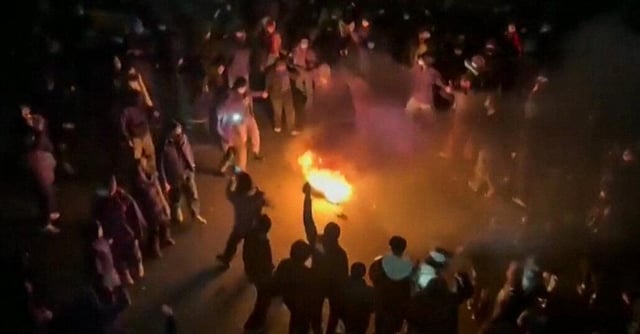
In a wave of escalating unrest, Iran is experiencing nationwide protests marked by growing casualty numbers. The demonstrations, which have spread across the country, indicate widespread dissatisfaction with the current regime. Protesters have taken to the streets in defiance of government forces, voicing their discontent over political, economic, and social grievances.
Origins of the Unrest
The protests originally sparked from local grievances but quickly morphed into a national uprising. Frustration over economic challenges such as high inflation, unemployment, and perceived government corruption ignited the initial rallies. The public outrage has been further fueled by recent government decisions that are viewed as exacerbating the dire economic conditions.
Citizens across various cities have expressed their dissatisfaction with rallying cries for change, challenging the status quo. The government’s approach to managing the economy and its overall governance have been central themes among protestors demanding reforms.
Government’s Response
The Iranian government has responded to the protests with a substantial show of force. Security personnel have been deployed extensively throughout the country’s urban centers in an attempt to quell the demonstrations. However, these measures have often resulted in violent confrontations between protesters and security forces.
Reports indicate that several cities have witnessed heightened crackdowns that include arrests and aggressive crowd control tactics. Despite attempts to restore order, the unrest persists, reflecting deeper systemic issues within the nation.
Impact on the Population
The clashes have led to rising casualties, with numerous reports of injuries and fatalities among civilians. Families are bearing the brunt of the turmoil, grappled with the ongoing instability and fears for their safety. The unrest has also exacerbated daily life disruptions, affecting transportation, businesses, and public services.
Amidst this backdrop, international observers have expressed concern over the situation. Human rights organizations have called for restraint and urged the Iranian government to engage in dialogue with the protesters. Observers are keenly watching how the government will address these sprawling grievances, considering their potential to affect broader regional dynamics.
This period of intense unrest in Iran marks a critical juncture, as the government navigates its path forward amidst mounting domestic and international pressures.