 Karolina Sedlackova
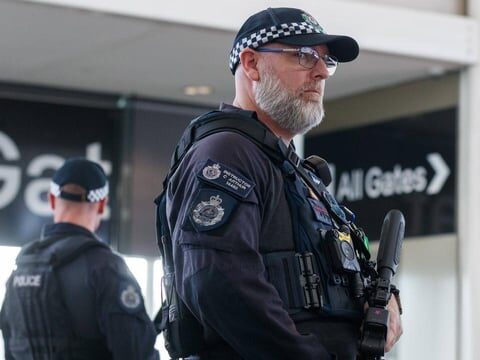
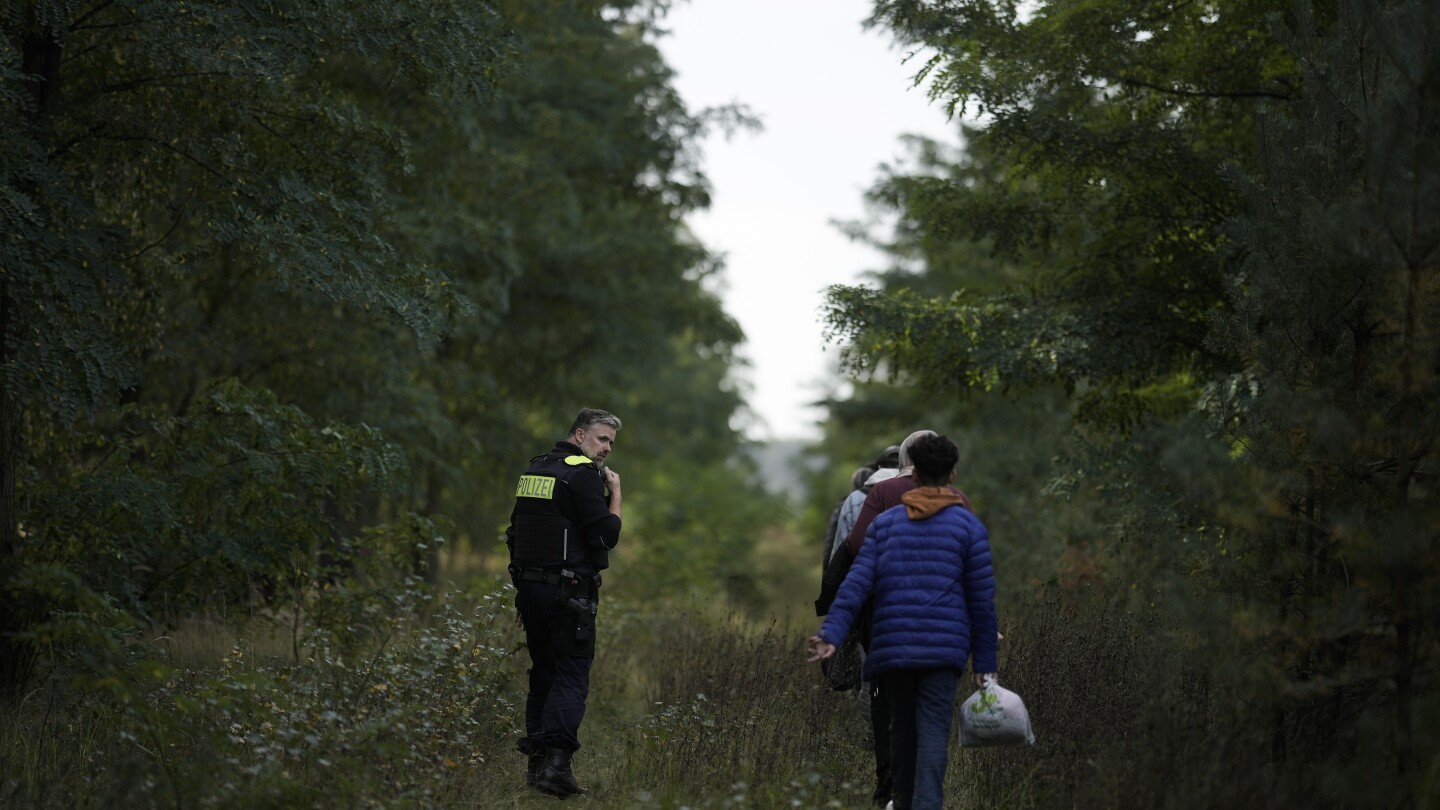
Germany has informed the European Union’s executive branch of its decision to implement temporary border controls at its frontiers with Poland, the Czech Republic, and Switzerland. This move extends beyond the recent strengthening of checks on Germany’s eastern border. The notification allows Germany to conduct systematic checks at these borders, similar to those carried out on its frontier with Austria since 2015.
The German government’s decision comes in response to the arrival of large numbers of migrants and follows state elections that saw poor results for the governing parties and gains for the far-right Alternative for Germany. Chancellor Olaf Scholz has met with opposition leaders and state governors for discussions on migration issues, and Interior Minister Nancy Faeser has announced draft legislation to ease deportations of unsuccessful asylum-seekers.
Faeser stated that the smugglers’ business is becoming increasingly brutal and unscrupulous, highlighting a recent crash on a Bavarian highway where seven people were killed after a van overloaded with migrants overturned while trying to avoid a police check. She emphasized the need for effective measures to stop this cruel business and to limit irregular migration to relieve municipalities.
The police now have the flexibility to use a full range of stationary and mobile border policing measures, depending on the current situation. Shelters for migrants and refugees across Germany have been filling up, with significant numbers of asylum-seekers adding to the more than 1 million Ukrainians who have arrived since the start of the war in Ukraine.
For more details, you can read the original article on AP News.