 Kristina Vankova
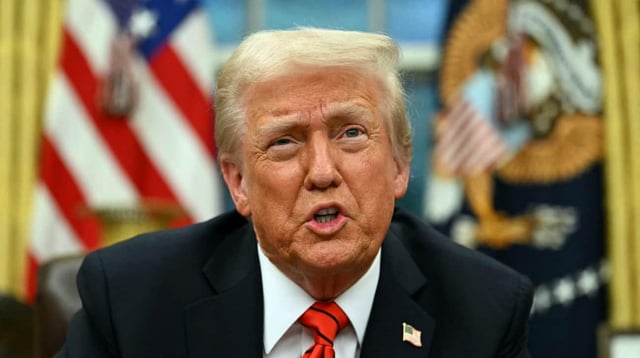
Amid an escalating situation, former President Donald Trump has pledged to send more military support to Ukraine. This announcement comes at a critical time when international tensions are rising, and support for Ukraine’s sovereignty is being tested on the global stage. Trump’s promise reflects a strategic shift aimed at bolstering Ukraine’s defensive capabilities against external threats.
Understanding the Context: Tension in Eastern Europe
The geopolitical tensions in Eastern Europe have been a subject of concern for international observers for years. Ukraine, located at the crossroads of East and West, continues to be a focal point of geopolitical rivalry. The support from Western countries, including the United States, is viewed as crucial in maintaining a balance of power in the region. Trump’s announcement of additional military aid signifies a commitment to this delicate balance.
This increase in aid is not an isolated gesture but part of a broader strategy to deter aggression from neighboring countries. The strategic importance of Ukraine in controlling the influence of major powers in the region cannot be understated. By augmenting military support, the United States aims to send a clear message regarding its stance on territorial sovereignty and international norms.
The Components of Increased Military Support
The planned military aid includes a range of defensive weapons and technology designed to enhance Ukraine’s military capabilities. These packages not only aim to strengthen Ukraine’s defensive infrastructure but also to improve their technological edge in the face of potential aggression. This strategy not only calibrates the regional power dynamics but also solidifies alliances that are essential to long-term regional stability.
Types of Military Aid
- Defensive Weapons: Including anti-tank missiles, armored vehicles, and small arms to enhance Ukraine’s ground defense systems.
- Advanced Technology: Offering cutting-edge drones and communication systems for improved reconnaissance and intelligence-gathering capabilities.
- Training and Support: U.S. military advisors and trainers to help Ukrainian forces in using new technologies effectively and in strategic planning.
Trump’s approach stems from a doctrine of peace through strength, where bolstering an ally’s defenses serves to mitigate threats and aggressions preemptively. The additional military hardware is intended to act as a deterrent to potential aggressors, signaling potential costs of regional instability.
Political and Diplomatic Implications
While the announcement of more military aid to Ukraine may be celebrated in some sectors, it also raises critical diplomatic questions. This move inevitably impacts the U.S.’s relationship with other global powers, particularly those opposing Ukraine’s western alliances. The reaction from nations such as Russia, which views NATO’s presence near its borders with suspicion, is of particular concern.
Critics of the increase in military aid express concerns that it could exacerbate tensions and potentially lead to an arms race in the region. They argue that diplomatic channels should be prioritized to de-escalate the situation rather than an increase in armaments which might provoke opposing forces. However, proponents of the support emphasize that robust military aid is necessary to ensure Ukraine’s sovereignty and to act as a strong counterbalance to any potential military aggression.
The international community watches closely as these dynamics unfold, understanding the broader implications for global security architecture. The delicate interplay between military support and diplomatic negotiation remains at the forefront of international discourse surrounding this issue.
As Ukraine assesses its military capabilities with the potential influx of new weaponry, the country’s leadership must navigate both these military enhancements and the diplomatic ties that come with them. The future of the region depends heavily on the careful balancing of power and diplomacy, guided by strategic decisions made at the highest levels of government.
Overall, the commitment to sending more weapons to Ukraine underscores a pivotal moment in international relations, highlighting the continuing importance of strategic military alliances in achieving global peace and security. With Trump’s pledge, the emphasis is placed not only on immediate military strength but also on reassuring allies of consistent support amidst evolving geopolitical landscapes.