 Vanda Svobodova
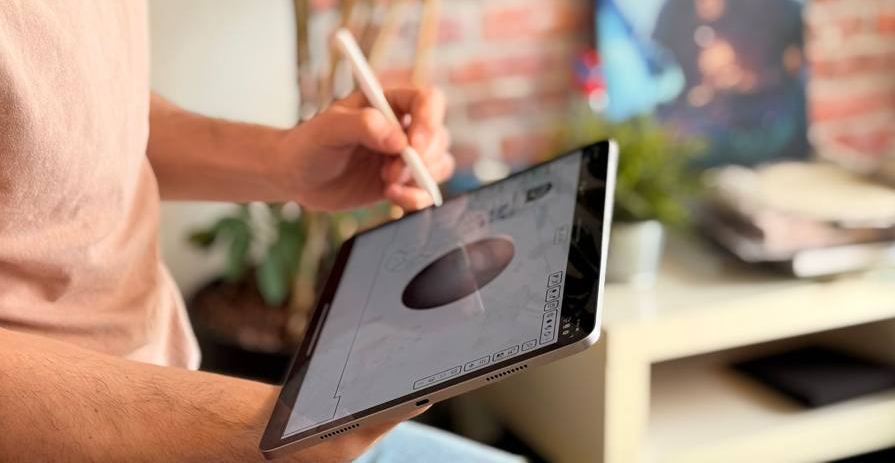
In a groundbreaking development for the digital art community, Blender, a widely used open-source 3D computer graphics software, is gearing up to unveil its much-anticipated tablet version. This move is set to further elevate the accessibility and flexibility of 3D modeling and animation, appealing to both seasoned artists and newcomers seeking creative freedom on a mobile platform.
Revolutionizing 3D Design Accessibility
Blender’s impending expansion to tablets signifies a pivotal shift in how digital artists engage with their work. The new tablet version is poised to make 3D content creation more accessible, allowing artists to work from virtually anywhere without the constraints of a traditional desktop setup. This development is not just a testament to technological advancement but also signals a growing trend of mobile-first applications across various software industries.
The integration of Blender’s robust features into a tablet-friendly interface aims to maintain the program’s signature versatility. Known for its comprehensive toolset—from modeling, rigging, and animation to rendering and compositing—Blender has long been a favorite among creatives. The challenge for developers will be preserving this functionality while ensuring ease of use on smaller screens.
Developers Face Unique Challenges
The transition of Blender to a tablet environment presents unique challenges for developers. Adapting a highly sophisticated software, traditionally reliant on keyboard and mouse, to functional and intuitive touch controls is no small feat. The development team is tasked with redesigning UI elements for optimal user experience, ensuring that the software remains just as powerful, yet intuitive enough for touch gestures.
Moreover, the developers aim to optimize performance to suit the hardware capacities of tablets. Rendering and processing on mobile devices demand efficient coding to prevent performance lags or overexertion of device resources. This could open doors for optimized workflows that could benefit the desktop version as well, providing a universal enhancement across platforms.
Anticipated Impact on the Creative Industry
The introduction of a tablet version of Blender is expected to significantly impact the creative industry, particularly in sectors such as animation, game development, and design. By lowering the barriers to entry in 3D design, more artists will have the opportunity to explore 3D artistry without needing high-end equipment.
Educational institutions are likely to benefit as well, integrating Blender’s tablet version into classrooms to enable hands-on learning experiences. With technology advancing at breakneck speed, students and educators will have a more flexible, interactive tool to bring imaginative ideas to life. This could foster a new generation of designers and animators who are adept in both traditional and modern digital practices.
Furthermore, professionals who already rely on Blender for complex projects will appreciate the ability to sketch and model in the field, providing immediate feedback and iterations in real-time. For freelancers and remote workers, the mobility offered by a tablet version could enhance productivity and client collaboration.
As Blender prepares for this significant release, its commitment to remaining open-source ensures that the software continues to remain accessible and customizable, a core value that has endeared it to a global user base.
With expectations running high, the release of Blender’s tablet version will not only cater to the existing base of Blender enthusiasts but will also potentially capture a new segment of users drawn to the convenience and portability of tablets. This strategic expansion is likely to cement Blender’s position as a leader in 3D design and animation software, adapting to the evolving needs of creative professionals worldwide.
, image: https://arstechnica.com/gadgets/2025/07/popular-3d-application-blender-will-get-a-tablet-version/