 Vanda Svobodova
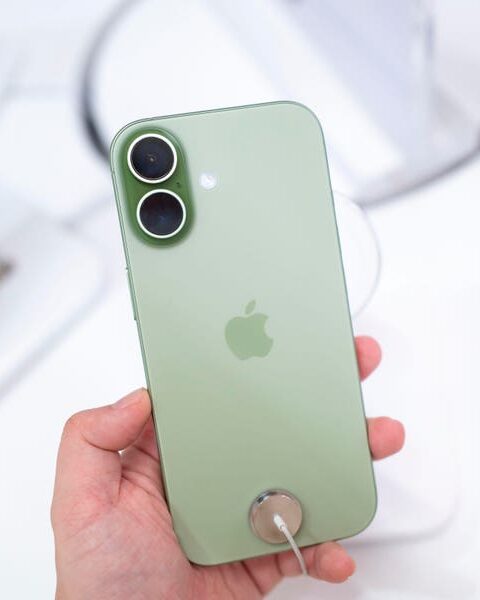
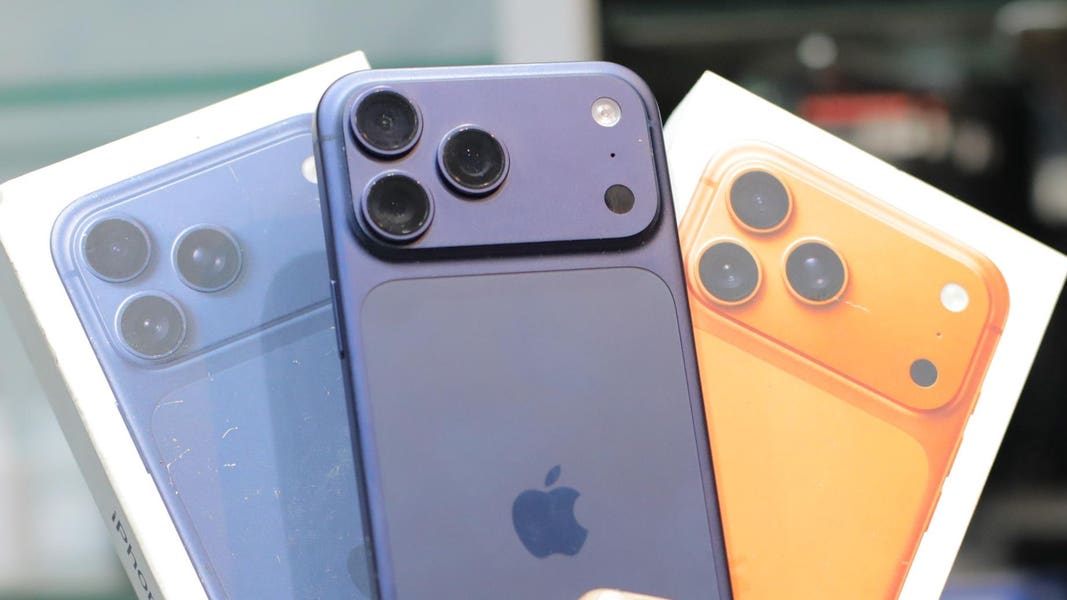
In a surprising and concerning development, Apple has acknowledged the existence of vulnerabilities in its widely-used iPhone series, sparking a wave of caution among global users. These newly identified security flaws may leave millions of iPhones susceptible to potential attacks, with a large portion of devices currently unable to receive a fix.
Security Concerns for iPhone Users
Apple, known for its stringent security protocols and user privacy policies, has confirmed that iPhones operating on older iOS versions are at heightened risk. These vulnerabilities, discovered through recent assessments, underscore the challenges tech companies face in maintaining cybersecurity for all their products, especially legacy devices that many consumers continue to use.
Implications for Older Devices
Many iPhone users worldwide continue to operate older models, often due to the cost of upgrades or simple personal preference. These devices, no longer supported with the latest updates, represent a significant part of those vulnerable to cyber threats. Apple’s announcement indicates that several older models will remain without necessary patches, potentially impacting millions.
The Cost of Legacy Comfort
The allure of holding onto older technology is not without its dangers. While newer iPhones benefit from regular updates and enhanced security measures, maintaining older devices can leave users open to exploitation by hackers who might exploit unpatched vulnerabilities to access sensitive information.
Apple’s Strategy for Mitigation
Apple’s response to this situation involves encouraging users to update their iPhones to the latest iOS versions wherever possible. However, this is a non-starter for many users still employing devices that are no longer eligible for updates. The tech giant suggests that these users consider upgrading to newer models to ensure continued protection against emergent threats.
Moving Forward
The dilemma exemplifies the broader issue that tech companies face in retaining customer loyalty while ensuring device security. For Apple, balancing legacy support with product innovation and safety remains a key challenge, one highlighted by these recent revelations. This development should also prompt users to reconsider their digital habits, focusing on security and keeping up with technology’s pace to avoid potential compromises.
The advice for iPhone users is clear: stay informed on the latest security announcements, evaluate the current state of your device’s security, and consider an upgrade if your iPhone no longer receives updates. In an era where digital threats can infiltrate personal and professional realms with ease, staying one step ahead is not just advisable but essential.
, image: https://www.forbes.com/sites/zakdoffman/2026/01/11/apple-confirms-iphone-attacks-no-fix-for-most-users/