 Kristina Vankova
Tipping in the Czech Republic — the short version
- Restaurants: 10% is standard for good service, rounded up. Bad service, round down or nothing.
- Cafés and quick lunches: round up to the nearest 10 or 20 CZK.
- Bars: no tip on beer; tip 10% if the bartender made cocktails.
- Taxis: round up. Uber and Bolt do not expect tips.
- Hotels: 50–100 CZK for a porter, 50 CZK per night for housekeeping if you leave it neatly.
- Hairdressers: 10%.
- Tour guides: 200–500 CZK for a half-day, more for private tours.
Cash is still preferred for tips even when you pay the bill by card. If you’re paying by card in a restaurant, tell the server the total including tip before they tap the machine — “můžete přidat X korun spropitné” — because most terminals in Czech restaurants don’t have a tip prompt.
Tipping abroad: cheatsheet for Czech travelers
| Country | Restaurant | Taxi | Notes |
|---|---|---|---|
| USA | 18–22% | 15–20% | Effectively mandatory; server wages assume tips |
| UK | 12.5% (often on bill) | Round up | If “service charge” appears, no extra needed |
| Germany | 5–10% round up | Round up | Cash preferred; hand it to the server, don’t leave on table |
| Austria | 5–10% | Round up | Similar to Germany |
| France | Service compris (already included) | Round up | Extra 5% for great service |
| Italy | Coperto + round up 5% | Round up | Coperto is 1–3€ per person |
| Spain | 5–10% | Round up | Not always expected outside tourist areas |
| Netherlands | Round up or 5–10% | Round up | Tipping less institutional than in US |
| Croatia | 10% for good service | Round up | Cash preferred, especially outside major cities |
| Greece | 10% | Round up | Similar to Croatia |
| Turkey | 10% cash | 10% | Cash is much preferred |
| Japan | No tip — considered rude | No tip | Just don’t. |
| China | Generally no tip | No tip | High-end tourist restaurants are exceptions |
| Thailand | 10% at restaurants; loose change at street food | Round up | Optional but appreciated |
Two rules of thumb across almost all countries: tip in the local currency (don’t hand a US $20 to a waiter in Prague), and tip in cash where possible because card tips often don’t reach the server for weeks or at all.
Automatic gratuities and service charges
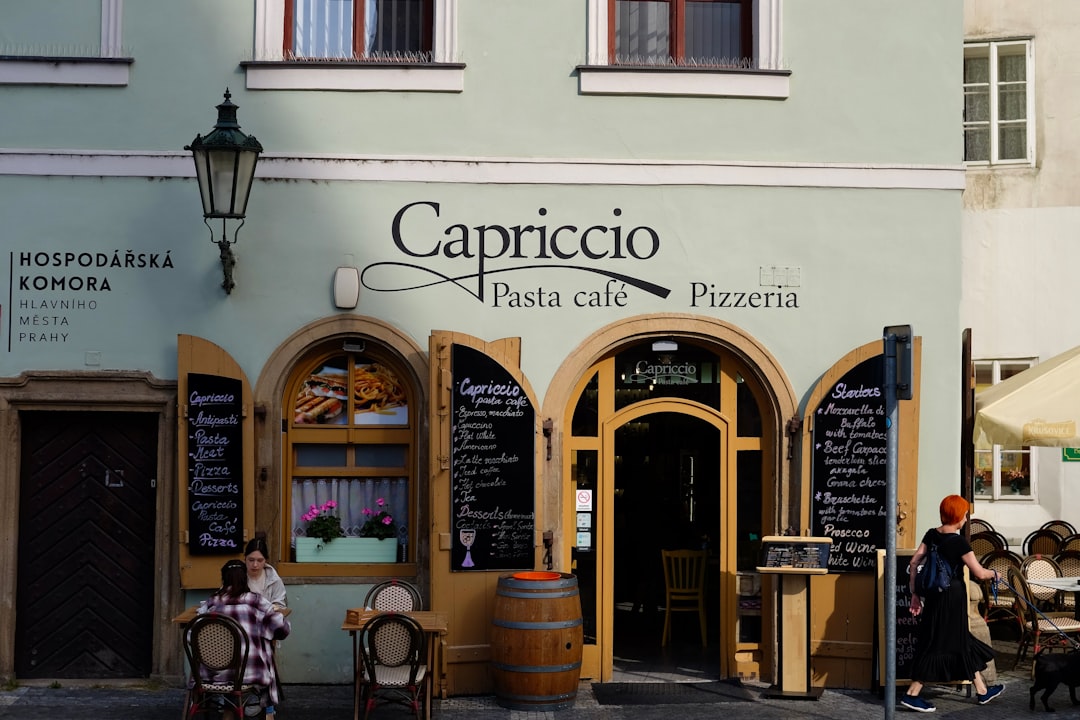
The trend of restaurants adding a mandatory “service charge” (10–20%) — long standard in the UK — has spread to Prague, Berlin, and even parts of the US. If a “service charge” is on the bill, no additional tip is required (though many people add 5%). If it’s a “suggested gratuity” line, it’s optional and you can decline.
Automatic gratuities are legal in most jurisdictions but must be clearly disclosed. In the Czech Republic, they must appear on the menu and receipt.
Gear that pays for itself when you travel
- Eagle Creek Silk Undercover money belt — for your emergency stash of local cash. The silk version is comfortable to wear all day; the polyester version isn’t.
- Zero Grid RFID travel wallet — organizes cards, cash and passport for quick access when you’re paying at a counter and need to tip immediately.
- Pocketalk S language translator — for the moments when you need to clarify “is the service charge already included” in a language you don’t speak.
- Revolut or Wise multi-currency card — lets you carry local currency without paying FX fees on every transaction.
Tipping-culture questions Czech travelers ask most
Do I need to tip in a Michelin-star restaurant in Prague?
The same 10% rule applies. High-end restaurants sometimes include an optional service charge on the bill; check before adding a tip on top.
Why do American tourists tip so much in Prague?
American tipping culture assumes servers earn most of their income from tips. In the Czech Republic, servers earn a real wage. A 20% American tip is not required — 10% is a good tip, 15% is generous.
Should I tip the person behind a coffee bar?
Rounding up to the nearest 10 CZK is standard. If someone made you a proper flat white with latte art, add another 10 CZK.
What about food delivery — Wolt, Bolt Food, Rohlík.cz?
The app has a tip prompt; use it. 20–40 CZK is standard. Rohlík delivery drivers appreciate cash tips at the door especially for large orders.