 Kristina Vankova
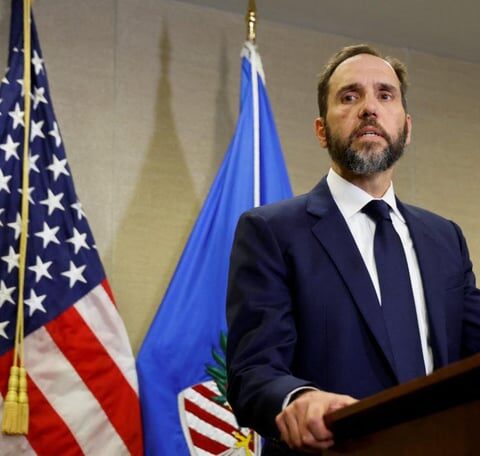
In a recent statement that has attracted significant international attention, U.S. Senator Marco Rubio emphasized the importance of renewing the United States’ approach to its relations with Asia’s major powerhouses, China and Japan. Rubio, a prominent figure in American politics, stressed the delicate balance that must be maintained when engaging diplomatically with China while also ensuring that longstanding ties with Japan remain unwavering.
The Geopolitical Landscape
The intricate dynamics of the U.S.-China relationship are a focal point for policymakers across the globe. As China continues to grow economically and militarily, it poses both opportunities and challenges for the United States. Rubio’s comments come at a time of heightened scrutiny regarding how the U.S. navigates its foreign policy, particularly in the Asia-Pacific region, where China and Japan both play pivotal roles.
Rubio’s remarks reflect a broader strategy to enhance cooperation with China in sectors such as trade and environmental issues, while staunchly protecting American allies in the region. Japan, as one of the United States’ closest allies, plays a crucial role in ensuring a stable Asian continent. Rubio’s insistence on preserving this key alliance underscores the complexity involved in U.S. diplomatic maneuvers.
Economic Interdependence
One of the cornerstones of U.S.-China relations is the profound economic interdependence between the two nations. The United States imports a vast array of goods from China, making it one of the world’s largest markets for Chinese products. Conversely, China relies heavily on American investments and technology to fuel its own economic growth. Rubio indicated that while economic engagement with China is necessary, it should not be at the expense of other strategic partnerships.
Rubio suggested that by fostering fair trade practices and addressing issues such as intellectual property theft, the United States could create a more balanced economic relationship with China. This, in turn, would bolster the economic security of U.S. allies such as Japan, enhancing regional stability.
Security and Alliances
The security landscape in Asia is characterized by a complex web of alliances and rivalries. Japan, a key U.S. ally, is often seen as a counterbalance to China’s growing influence. Rubio highlighted the need for the United States to support Japan’s security efforts, particularly in light of China’s assertive posturing in regions such as the South China Sea.
Rubio advocated for increased military cooperation between the United States and Japan. This includes joint military exercises and sharing of advanced technology, which are essential to maintaining peace and stability in the region. The senator also mentioned the importance of engaging China in dialogue to prevent conflicts and promote mutual understanding.
Furthermore, Rubio underscored that any collaboration with China should not jeopardize security commitments to Japan. Strengthening these ties is essential for counterbalancing any aggressive moves by China and ensuring a free and open Indo-Pacific region.
Rubio’s vision for the United States’ foreign policy reflects an understanding of the regional dynamics and emphasizes a pragmatic approach toward managing relations with both China and Japan. By advocating a strategy that prioritizes both economic and security interests, Rubio envisions a diplomatic path that seeks prosperity and stability across Asia.
The senator’s comments have sparked discussions among policymakers and analysts, highlighting the nuanced approach needed to navigate these critical international relationships. As the U.S. continues to engage with Asia’s major powers, striking a balance remains imperative in preserving its interests and maintaining global peace.