 Karolina Sedlackova
What is Czech Guláš?
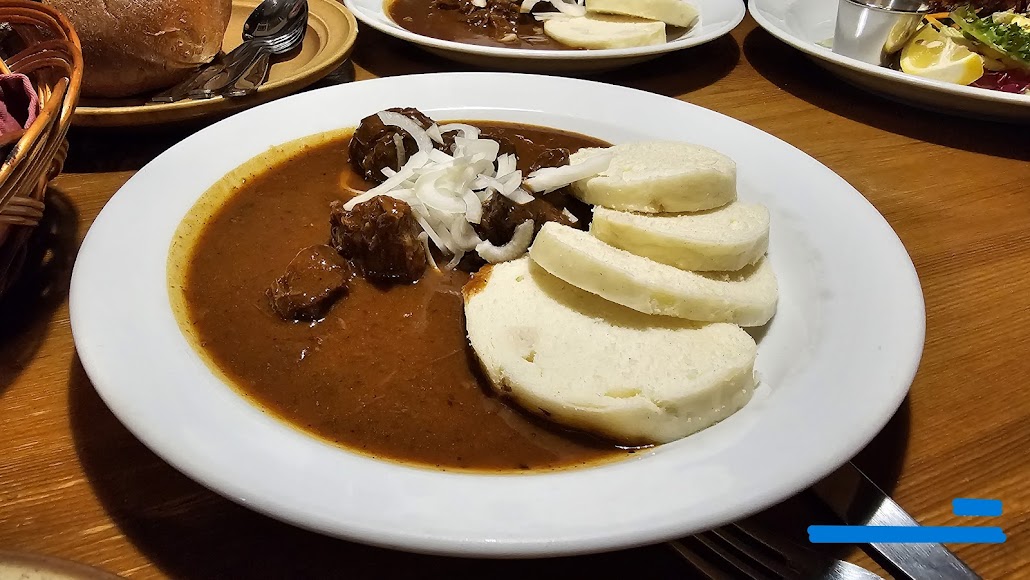
Czech Guláš, pronounced “goo-lash,” is a hearty and flavorful stew that holds a special place in Czech cuisine. This traditional dish is a staple on pub menus throughout the Czech Republic and is beloved for its rich, comforting flavors. At its core, Czech Guláš is a thick stew made with tender beef cubes, plenty of onions, and a blend of aromatic spices that give it its distinctive taste.
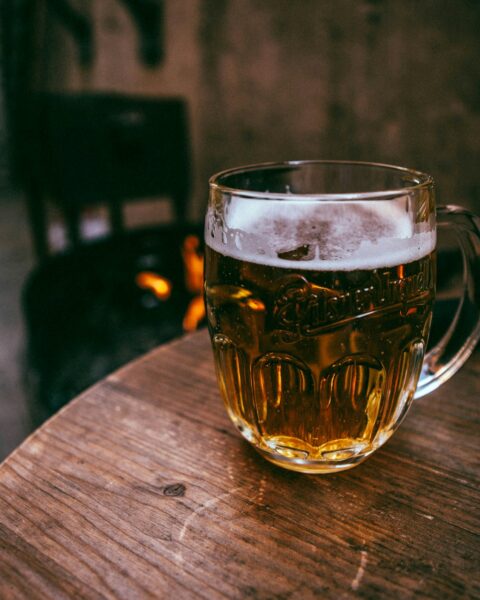
While guláš (or goulash) is popular throughout Central Europe, each country has its own variation. The Czech version is characterized by its thick, gravy-like consistency and the generous use of onions, which contribute significantly to the dish’s flavor profile. Czech Guláš is often served topped with a sprinkle of fresh, sliced onions and accompanied by simple boiled dumplings on the side. To complete the quintessential Czech dining experience, it’s typically enjoyed with a glass of cold Pilsner beer, the nation’s drink of choice.
The origins of guláš can be traced back to Hungary, but the Czech version has evolved over time to become a unique dish in its own right. It reflects the hearty, comforting nature of Czech cuisine and showcases the country’s love for beef and robust flavors. Whether enjoyed in a bustling Prague pub or prepared at home for a cozy family dinner, Czech Guláš is a dish that warms both body and soul.

Ingredients and Preparation
To create an authentic Czech Guláš, you’ll need a selection of high-quality ingredients. Here’s what you’ll need to prepare this delicious meal:
- Beef cubes: The primary ingredient in Czech Guláš is beef. Traditionally, cheaper cuts of beef such as chuck roast or shoulder are used. These cuts are perfect for slow cooking as they become tender and flavorful over time. Aim for about 2 pounds of beef, cut into 1-inch cubes.
- Onions: Onions are crucial to Czech Guláš, with the saying “the more onions, the better the taste” holding true. You’ll need about 3-4 large onions, finely chopped.
- Sweet paprika: This spice is essential for achieving the characteristic flavor and color of Czech Guláš. Use about 2-3 tablespoons of good quality sweet Hungarian paprika.
- Caraway seeds: These add a distinctive flavor to the dish. You’ll need about 1 teaspoon of whole or ground caraway seeds.
- Dried marjoram: This herb contributes to the authentic Czech flavor. Use about 1 teaspoon.
- Tomato paste: A small amount (about 2 tablespoons) adds depth to the stew sauce.
- Beef broth or stock: This forms the base of the sauce. You’ll need about 2-3 cups. Using homemade beef stock will make the sauce taste even better.
- Vegetable oil or lard: For browning the meat and onions. About 2-3 tablespoons should suffice.
- Garlic: 3-4 cloves, minced, will add extra flavor.
- Salt and black pepper: To taste.
- Flour: About 2 tablespoons for thickening the sauce.
- Bay leaf: 1-2 leaves for added aroma.
Optional ingredients that can enhance the flavor include:
- Pilsner beer: A small amount (about 1/2 cup) can add depth to the sauce.
- Bell peppers: Some recipes include chopped bell peppers for added texture and flavor.
- Hot paprika or cayenne pepper: If you prefer a spicier guláš.
Cooking the Guláš
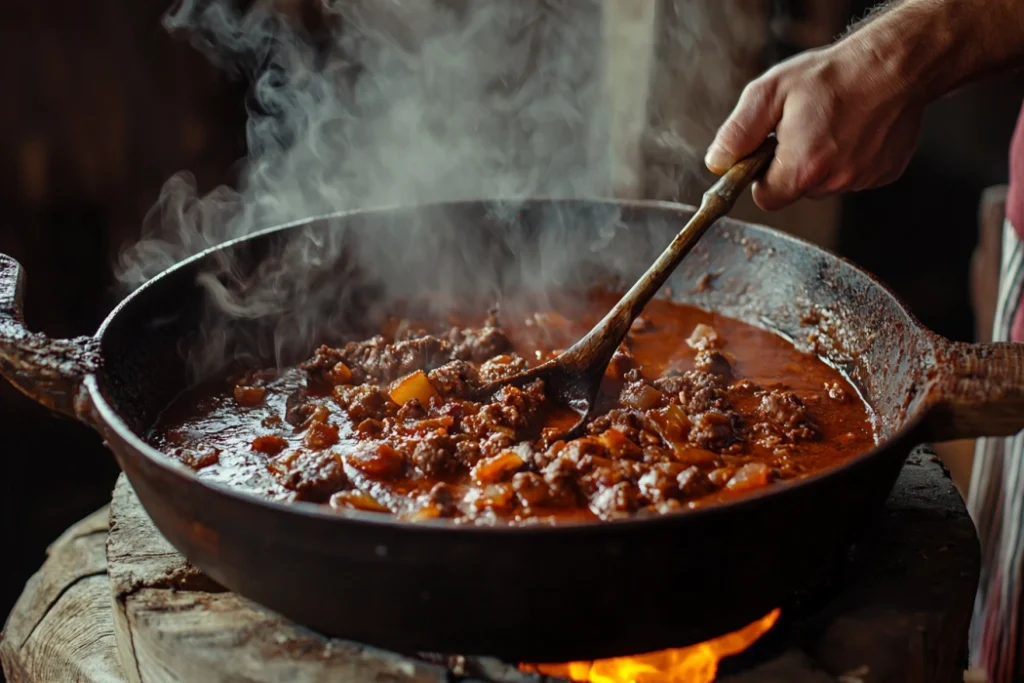
Now that we have our ingredients ready, let’s dive into the cooking process. Czech Guláš is typically prepared in a large pot or Dutch oven on the stovetop, allowing for slow cooking that tenderizes the meat and melds the flavors beautifully.
- Prepare the beef: Start by seasoning the beef cubes with salt and pepper. This initial seasoning is crucial for building flavor from the ground up.
- Brown the meat: Heat the vegetable oil or lard in a large pot or Dutch oven over medium-high heat. Working in batches to avoid overcrowding, brown the beef cubes on all sides. This step is crucial for developing a deep, rich flavor in the final dish. Once browned, remove the meat from the pot and set aside.
- Cook the onions: In the same pot, add the chopped onions. Cook over medium heat, stirring occasionally, until the onions are soft and lightly golden. This process can take about 10-15 minutes. The onions should be plentiful and will form the base of your sauce.
- Add the spices: Once the onions are golden, add the minced garlic and cook for another minute until fragrant. Then, add the sweet paprika, caraway seeds, and dried marjoram. Stir well to combine with the onions. Be careful not to burn the paprika, as it can become bitter.
- Return the beef: Add the browned beef back into the pot with the onions and spices.
- Make the sauce: Stir in the tomato paste and flour, coating the meat and onions. Gradually add the beef broth, stirring constantly to prevent lumps from forming. Add the bay leaf.
- Simmer: Bring the mixture to a boil, then reduce the heat to low. Cover the pot and let the guláš simmer gently for about 1 1/2 to 2 hours, or until the beef is tender and easily falls apart when prodded with a fork. Stir occasionally during cooking to prevent sticking.
- Adjust seasoning: Taste the guláš and adjust the seasoning with salt and pepper as needed. If you prefer a spicier version, you can add some hot paprika or cayenne pepper at this point.
- Thicken if necessary: If the sauce is too thin, you can let it simmer uncovered for a few more minutes to reduce and thicken. If it’s too thick, add a bit more beef broth.
Alternative Cooking Methods:
- Slow Cooker: For a hands-off approach, you can prepare Czech Guláš in a slow cooker. Brown the meat and onions as described above, then transfer everything to the slow cooker. Cook on low for 6-8 hours or on high for 4-6 hours.
- Instant Pot: For a quicker version, use your Instant Pot. Use the sauté function to brown the meat and onions, then add the remaining ingredients. Cook on high pressure for about 35-40 minutes, followed by a natural pressure release.
Remember, Czech Guláš is traditionally a slow-cooked dish, and the longer cooking time allows the flavors to develop fully and the meat to become wonderfully tender. However, these alternative methods can produce delicious results when you’re short on time.
The Difference Between Czech and Hungarian Goulash
While Czech Guláš and Hungarian Goulash share some similarities, they are distinct dishes with their own unique characteristics. Understanding these differences can help you appreciate the nuances of each country’s culinary tradition.
Hungarian Goulash:
- Consistency: Hungarian Goulash is typically more soup-like, with a thinner consistency.
- Color: It has a deep, vibrant red color due to the generous use of paprika.
- Vegetables: Often includes potatoes, carrots, and sometimes bell peppers.
- Spices: Heavy emphasis on paprika, using both sweet and hot varieties.
- Serving: Often served as a soup, sometimes with csipetke (pinched noodles).
Czech Guláš:
- Consistency: Czech Guláš is thicker, more like a stew.
- Color: Darker brown due to the browning of meat and onions.
- Vegetables: Primarily focuses on onions, with other vegetables being less common.
- Spices: Uses paprika, but also incorporates caraway seeds and marjoram.
- Serving: Typically served with dumplings (knedlíky) on the side.
Both dishes are delicious in their own right, reflecting the culinary traditions and preferences of their respective countries. The Czech version tends to be heartier and more focused on the beef and onion flavors, while the Hungarian version often has a more complex vegetable component and a stronger paprika flavor.
Serving and Enjoying Czech Beef Goulash
Czech Guláš is more than just a meal; it’s an experience. The way it’s served and enjoyed is an integral part of Czech culinary culture. Here are some traditional serving suggestions to help you enjoy your Czech Guláš to the fullest:
- Dumplings: The classic accompaniment to Czech Guláš is bread dumplings (houskové knedlíky) or potato dumplings (bramborové knedlíky). These hearty sides are perfect for soaking up the rich, flavorful sauce.
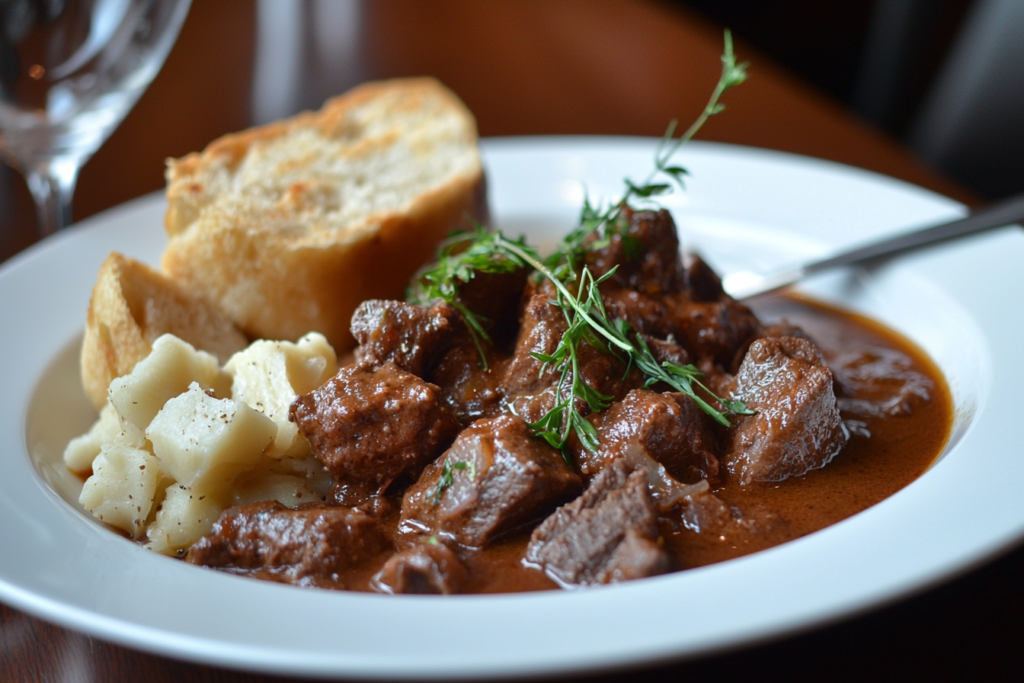
- Bread: If dumplings aren’t available, fresh bread is an excellent alternative. A crusty bread or dark rye bread works well to mop up the delicious sauce.
- Onion Garnish: It’s common to serve Czech Guláš topped with a sprinkle of finely sliced raw onions. This adds a fresh, sharp contrast to the rich stew.
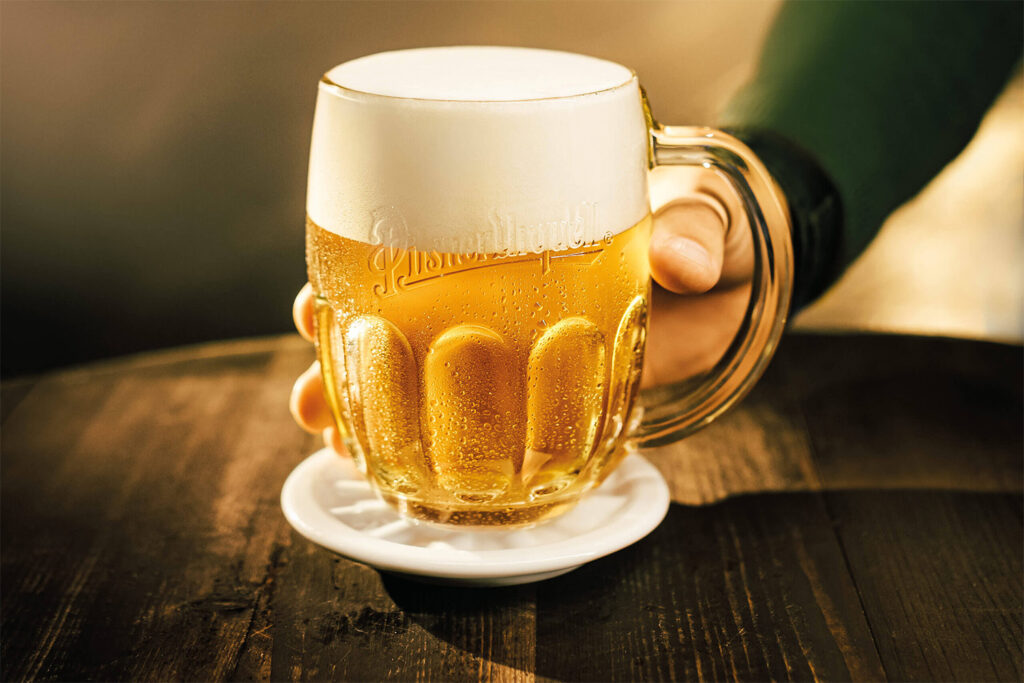
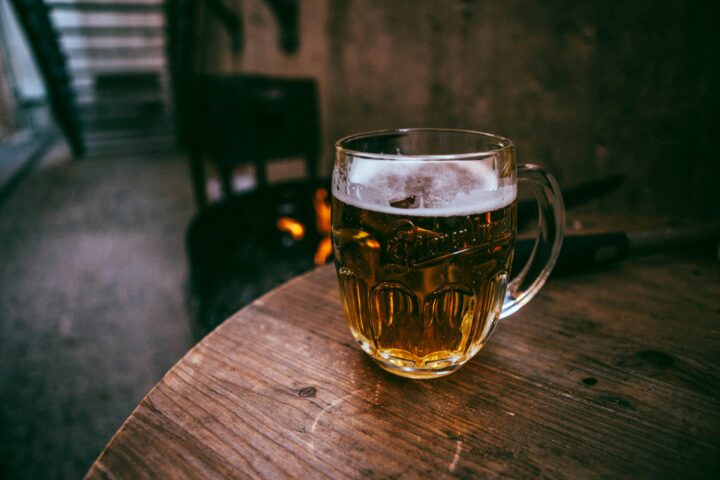
- Beer: No Czech meal is complete without beer, particularly a crisp Pilsner. The light, refreshing taste of Czech beer perfectly complements the rich flavors of the guláš.
- Pickles: Some people enjoy serving guláš with pickled vegetables on the side, such as cornichons or pickled onions.
- Sour Cream: While not traditional, some people enjoy a dollop of sour cream on top of their guláš for added richness.
When serving Czech Guláš, presentation is simple but appealing. Ladle the hot guláš into deep bowls, ensuring each serving has plenty of tender beef chunks and rich sauce. Place the dumplings or bread on the side of the plate. If using the raw onion garnish, sprinkle it over the top just before serving.
Czech Guláš is best enjoyed hot, allowing the full depth of flavors to come through. Take your time with this meal, savoring each bite and enjoying the interplay of flavors between the rich stew, the hearty dumplings, and the crisp beer. It’s a perfect dish for a cold day, offering comfort and warmth with every spoonful.
Remember, in Czech culture, guláš is often enjoyed in a social setting – in pubs, at family gatherings, or with friends. So, if possible, share your homemade Czech Guláš with loved ones for an authentic Czech dining experience.
Storing and Reheating
One of the great things about Czech Guláš is that it often tastes even better the next day, as the flavors have had more time to meld. Here are some tips for storing and reheating your guláš:
Storing:
- Allow the guláš to cool completely before storing.
- Store in airtight containers in the refrigerator for up to 4 days.
- For longer storage, you can freeze guláš for up to 3 months.
Freezing:
- If freezing, leave some space at the top of the container as the liquid will expand when frozen.
- Label the container with the date and contents.
- For best quality, consume within 3 months, although it will remain safe to eat beyond this time.
Reheating:
- If frozen, thaw the guláš completely in the refrigerator before reheating.
- Reheat gently on the stovetop over medium-low heat, stirring occasionally.
- Add a splash of water or beef broth if the sauce has thickened too much during storage.
- Ensure the guláš is heated through completely before serving.
- Avoid reheating in the microwave if possible, as this can lead to uneven heating and can toughen the meat.
Remember, while the guláš reheats well, the dumplings are best made fresh. If you have leftover dumplings, they can be briefly steamed to refresh them before serving with the reheated guláš.

Variations and Substitutions
While the traditional Czech Guláš recipe is delicious as is, there’s always room for variations and substitutions based on personal preferences or dietary requirements. Here are some ideas:
- Meat Variations:
- While beef is traditional, you can experiment with other meats like pork or game meats.
- For a leaner option, try using beef round instead of chuck.
- Vegetarian Version:
- Replace the beef with a mix of hearty vegetables like potatoes, carrots, and mushrooms.
- Use vegetable broth instead of beef broth.
- Spice Variations:
- Experiment with the ratio of sweet to hot paprika to adjust the heat level.
- Add a pinch of ground cloves for a subtle warmth.
- Use smoked paprika for a deeper, smokier flavor.
- Liquid Variations:
- Replace some of the beef broth with red wine for added depth.
- Add a splash of balsamic vinegar for tanginess.
- Additional Vegetables:
- While not traditional, some cooks add diced carrots or bell peppers for extra nutrition and flavor.
- Thickening Alternatives:
- If you’re gluten-free, use cornstarch instead of flour to thicken the sauce.
- For a lower-carb version, let the sauce reduce naturally without adding any thickener.
- Serving Alternatives:
- If you can’t make traditional Czech dumplings, serve with egg noodles, mashed potatoes, or rice.
- For a lighter meal, serve over a bed of sautéed cabbage.
Remember, while these variations can produce delicious results, they will deviate from the traditional Czech Guláš. If you’re aiming for authenticity, stick as close to the original recipe as possible. However, don’t be afraid to experiment and make the dish your own!

Common Questions and FAQs
Here are some frequently asked questions about Czech Guláš:
- What cuts of beef are best for Czech Guláš?
Cheaper, tougher cuts of beef such as chuck, shank, or brisket are ideal for Czech Guláš. These cuts have more connective tissue which breaks down during slow cooking, resulting in tender meat and a rich sauce. - How do you thicken Czech Guláš?
Czech Guláš is traditionally thickened with a combination of flour and the natural reduction of the sauce during slow cooking. The abundance of onions also helps to thicken the sauce naturally. - How do you tenderize beef for Czech Guláš?
The key to tender beef in Czech Guláš is slow cooking. Simmering the beef slowly in liquid breaks down the tough connective tissues, resulting in meat that’s fork-tender. - Can I make Czech Guláš ahead of time?
Yes! In fact, many people believe Czech Guláš tastes even better the next day as the flavors have had more time to meld. - What’s the difference between Czech Guláš and other types of goulash?
Czech Guláš is typically thicker than Hungarian goulash and doesn’t usually include vegetables other than onions. It’s also served with dumplings rather than potatoes or noodles. - Can I freeze Czech Guláš?
Yes, Czech Guláš freezes well. Just be sure to cool it completely before freezing and use within 3 months for best quality. - What kind of paprika should I use?
Sweet Hungarian paprika is traditionally used in Czech Guláš. Avoid smoked paprika unless you’re specifically looking for a smoky flavor. - Can I make Czech Guláš in a slow cooker or Instant Pot?
Yes, both slow cookers and Instant Pots can be used to make delicious Czech Guláš. Just be sure to brown the meat and onions first for the best flavor.
Tips for Achieving Tender Beef
Achieving tender, melt-in-your-mouth beef is key to a great Czech Guláš. Here are some tips to help you get the best results:
- Choose the Right Cut: Opt for cuts of beef that are well-marbled with fat and have plenty of connective tissue. Chuck, shank, or brisket are excellent choices.
- Cut Uniformly: Cut your beef into uniform cubes (about 1-inch) to ensure even cooking.
- Brown Well: Take the time to brown the beef cubes thoroughly before stewing. This step adds depth of flavor and helps to seal in the juices.
- Don’t Overcrowd: When browning the meat, work in batches to avoid overcrowding the pan. Overcrowding can lead to steaming rather than browning.
- Low and Slow: Cook the guláš at a low simmer. Rapid boiling can toughen the meat.
- Be Patient: Give the guláš plenty of time to cook. It typically takes about 2-3 hours for the beef to become tender.
- Check Regularly: While cooking, check the guláš periodically. Stir gently and make sure there’s enough liquid to cover the meat.
- Rest Before Serving: Allow the guláš to rest for about 15 minutes after cooking. This helps the meat reabsorb some of the juices, making it more tender.
- Slice Against the Grain: If you’re using a larger cut of beef and slicing it after cooking, be sure to slice against the grain for maximum tenderness.
- Don’t Rush: Remember, you can’t rush tenderness. If the meat isn’t tender yet, it likely just needs more time.
- The Role of Onions in Czech Guláš
- Onions play a crucial role in Czech Guláš, contributing significantly to both the flavor and texture of the dish. Here’s why onions are so important:
- Flavor Base: Onions form the flavor base of the guláš. When cooked slowly, they develop a sweet, complex flavor that permeates the entire dish.
- Natural Sweetness: As onions cook, they caramelize, adding a natural sweetness that balances the savory flavors of the beef and spices.
- Thickening Agent: Onions help to naturally thicken the sauce as they cook down and release their juices.
- Traditional Ratio: In traditional Czech Guláš, the ratio of onions to meat is often close to 1:1 by weight. This high proportion of onions is part of what distinguishes Czech Guláš from other goulash varieties.
- Texture: Cooked onions give the sauce a silky texture and body.
- Aromatic Base: Onions, along with garlic and spices, create an aromatic base that infuses the beef with flavor as it cooks.
- When preparing your onions for Czech Guláš:
- Chop them finely and evenly for the best texture in the final dish.
- Take the time to cook them slowly until they’re golden. This process can take 15-20 minutes but is crucial for developing flavor.
- Don’t be afraid to use a lot of onions. They will cook down significantly and contribute to the rich, thick sauce that is characteristic of Czech Guláš.
- The Importance of Paprika in Czech Guláš
- Paprika is another key ingredient in Czech Guláš, providing both flavor and color to the dish. Here’s why paprika is so important:
- Distinctive Flavor: Paprika gives Czech Guláš its characteristic warm, slightly sweet flavor with a hint of earthiness.
- Color: The deep red color of paprika contributes to the rich, appetizing appearance of the guláš.
- Variety: Czech Guláš typically uses sweet paprika, but some recipes might include a mix of sweet and hot paprika for added depth and heat.
- Quality Matters: Using high-quality, fresh paprika can make a significant difference in the final taste of your guláš.
- Cooking Technique: Paprika is added to the onions and briefly cooked before adding liquid. This helps to bloom the spice, releasing its flavors and aromas.
- When using paprika in your Czech Guláš:
- Store paprika in a cool, dark place to maintain its flavor and color.
- Add the paprika to the onions after they’ve softened, but be careful not to burn it as this can make the paprika taste bitter.
- If you’re using both sweet and hot paprika, add them together at the same time.
- Remember that paprika can lose its flavor when cooked for too long, so some recipes call for adding a bit more paprika near the end of cooking to brighten the flavor.
- Czech Guláš in Czech Culture
- Czech Guláš is more than just a dish; it’s a significant part of Czech culinary culture. Here’s how guláš fits into Czech society:
- Pub Food: Guláš is a staple on menus in Czech pubs (hospody). It’s often enjoyed alongside a cold beer, making it a quintessential Czech dining experience.
- Comfort Food: For many Czechs, guláš is a comforting dish associated with home cooking and family meals.
- Regional Variations: While the basic recipe remains the same, you might find slight variations in different regions of the Czech Republic.
- Cultural Events: Guláš often makes an appearance at Czech festivals and cultural events, sometimes in the form of guláš competitions.
- Home Cooking: Many Czech families have their own guláš recipes, passed down through generations.
- Winter Warmer: Given its hearty nature, guláš is particularly popular during the cold winter months.
- Social Dish: The long cooking time of guláš makes it a perfect dish for social gatherings, where people can chat and enjoy each other’s company while the stew simmers.
- Understanding the cultural significance of Czech Guláš can enhance your appreciation of this delicious dish. It’s not just about the flavors, but also about the traditions and social aspects surrounding it.
- Pairing Czech Guláš with Beverages
- While Czech Guláš is delicious on its own, pairing it with the right beverage can enhance the overall dining experience. Here are some traditional and modern pairing suggestions:
- Czech Beer: The most traditional pairing is with Czech beer, particularly a crisp Pilsner. The light, refreshing quality of the beer balances the rich, hearty guláš perfectly.
- Red Wine: A full-bodied red wine, such as a Cabernet Sauvignon or Merlot, can complement the rich beef flavors in the guláš.
- Fruit Juices: For a non-alcoholic option, try pairing guláš with a tart fruit juice like cranberry or black currant. The acidity can cut through the richness of the dish.
- Sparkling Water: A simple sparkling water with a slice of lemon can be refreshing alongside the hearty guláš.
- Czech Spirits: For those who enjoy stronger drinks, Czech spirits like Becherovka (an herbal bitter) or Slivovice (plum brandy) are sometimes enjoyed alongside guláš, though typically after the meal rather than with it.
- Remember, the best pairing is ultimately a matter of personal preference. Don’t be afraid to experiment and find the combination that you enjoy most!
- Conclusion
- Czech Guláš is a testament to the rich culinary traditions of the Czech Republic. This hearty, flavorful stew showcases the Czech love for robust flavors and comforting meals. From its humble ingredients of beef, onions, and paprika emerges a dish that’s greater than the sum of its parts – a true comfort food that has stood the test of time.
- Whether you’re cooking Czech Guláš at home or enjoying it in a traditional Czech pub, remember that it’s more than just a meal. It’s a cultural experience, a slice of Czech life served in a bowl. The slow cooking process, the rich aromas filling your kitchen, the act of sharing the meal with friends and family – all of these elements contribute to what makes Czech Guláš special.
- As you embark on your Czech Guláš cooking journey, don’t be afraid to experiment and make the recipe your own. While staying true to the traditional ingredients and methods is important for authenticity, cooking is also about personal expression. Maybe you’ll add a secret ingredient that becomes part of your family’s guláš tradition.
- Remember, patience is key when making Czech Guláš. The long, slow cooking process is what transforms simple ingredients into a complex, flavorful dish. Take your time, enjoy the process, and savor the results.
- Whether you’re a seasoned cook or a beginner in the kitchen, Czech Guláš is a rewarding dish to master. It’s a taste of Czech culture and history in every bite. So gather your ingredients, pour yourself a Pilsner, and get ready to create a delicious pot of Czech Guláš. Dobrou chuť! (Bon appétit!)