 Kristina Vankova
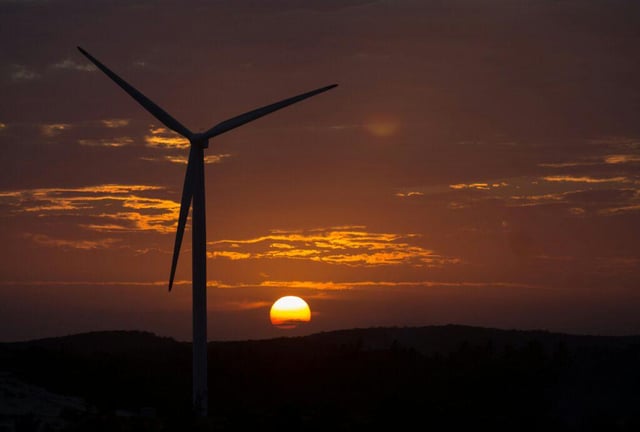
In a significant development for global renewable energy initiatives, Brazil has marked a milestone by significantly expanding its wind and solar power capabilities. This accomplishment further cements the nation’s position as a leader among countries embracing clean energy transitions. Brazil’s consistent efforts toward sustainable energy have not only highlighted the potential of renewable energy but also set the stage for other developing nations to emulate these progressive practices.
Transition to Renewable Energy: A Strategic Move
With an infrastructure heavily reliant on hydroelectric power, Brazil has been diversifying its energy sources to mitigate the impacts of climate change and unpredictability in water availability. The move towards incorporating wind and solar energy into its grid is a strategic diversification aimed at reducing dependence on a single power source. Additionally, it ensures a consistent energy supply, particularly during periods of drought, which have previously affected hydropower generation.
The country’s investment in renewable energy sources is not only an environmental imperative but also a pragmatic economic strategy. By capitalizing on its vast natural resources, particularly in areas with abundant sunlight and favorable wind conditions, Brazil is well-positioned to harness and expand its clean energy capabilities.
Economic Growth Through Renewable Energy
The expansion of wind and solar power in Brazil has brought with it significant economic opportunities. As new projects sprout across the nation, the renewable energy sector is creating thousands of jobs, providing employment in areas like construction, maintenance, and technology. These developments have invigorated local economies, particularly in rural and semi-urban areas where many of these plants are being established.
Moreover, as one of the world’s fastest-growing energy markets, Brazil’s commitment to renewables has attracted substantial international investment. Companies and investors see Brazil as a burgeoning market with promising returns in sustainable energy projects. This influx of capital not only fuels further growth in the industry but also strengthens Brazil’s global economic standing.
Challenges and Future Prospects
Despite these advances, Brazil faces several challenges in fully realizing its renewable energy potential. Infrastructure development, particularly in remote areas, remains a hurdle. The need for investment in smart grid technologies and efficient energy storage systems is critical to ensure the stability and reliability of renewable energy sources.
Furthermore, regulatory frameworks need continuous adaptation to accommodate new technologies and business models. Policymakers are tasked with ensuring that regulations encourage innovation while providing fair competition and consumer protection.
Looking forward, Brazil’s renewable energy sector is poised for continued expansion. As technology advances and costs decrease, wind and solar power will likely play an even more crucial role in the nation’s energy landscape. The commitment to achieving energy sustainability aligns with global trends towards reducing carbon footprints and combating climate change.
Ultimately, Brazil’s efforts signify a broader transition towards sustainable development, offering a blueprint for other nations to follow. As the global discourse around climate change intensifies, Brazil’s accomplishments in renewable energy present a compelling case of innovation and leadership in clean energy transformation.