 Vanda Svobodova
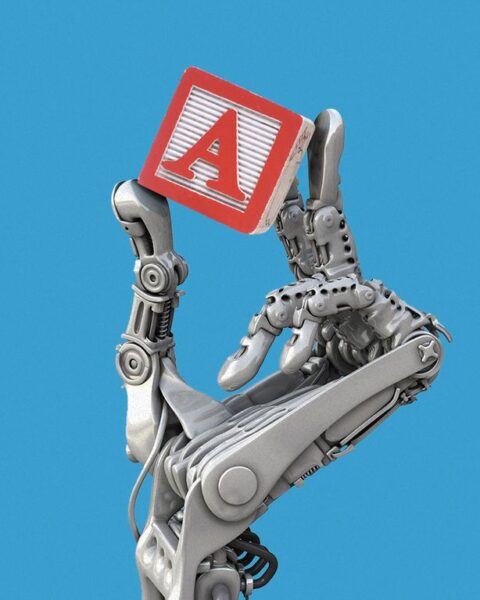
In an era where technology increasingly intertwines with daily life, the quest to understand human identity has taken a fascinating turn: building robots to gain insights into what makes us human. This innovative approach merges cognitive science, robotics, and philosophy to explore the complex layers of self-awareness, consciousness, and identity that define our species.
The Intersection of Robotics and Human Identity
The endeavor to build machines that mirror human capabilities is not new, yet the motivation behind such projects has evolved. Today, researchers are not merely interested in creating sophisticated automatons for industrial purposes; they aim to unravel deep existential questions about what it means to be human. By designing robots that mimic human behavior and cognition, scientists hope to better comprehend our nature.
At the heart of this exploration is the belief that constructing robots can provide a clearer lens through which to view the intricacies of human identity. Robotics offers a tangible medium to test theories about consciousness and self-awareness, aspects of human nature that have been difficult to study through traditional means.
Challenges and Discoveries in Robot Construction
Building robots that can replicate human-like thought and behavior is an enormous challenge. It involves not just engineering and computer science, but also a deep understanding of human psychology and biology. These robots, often referred to as “cognitive robots,” require programming that allows them to learn from interaction, adapt to new environments, and make decisions based on incomplete information.
One of the major hurdles in this quest is imbuing robots with an understanding of the subjective human experience. Unlike humans, robots lack the natural ability to feel emotions or possess intrinsic motivations. This limitation has sparked debates about what aspects of human identity are rooted in our biological makeup, as opposed to those that could theoretically be emulated by a machine.
The Role of Artificial Intelligence
Artificial intelligence plays a crucial role in the development of these robots. AI provides the algorithms necessary for machines to simulate human thought processes, such as recognizing patterns, generating language, and even understanding context. Researchers are continually refining these systems to push the boundaries of what robots can achieve.
- Pattern recognition: Enables robots to interpret visual or auditory data similarly to humans.
- Language generation: Allows machines to communicate and understand nuances in human conversation.
- Decision-making: Involves developing systems that prioritize actions based on goals and environmental factors.
Philosophical Implications and Future Directions
The philosophical implications of building robots for understanding human identity are profound. It raises questions about the nature of consciousness and whether it can be artificially created. Is the self merely a byproduct of complex neurological processes, or is there something fundamentally unique about the human experience that cannot be replicated in a machine?
These explorations into robotics and identity prompt consideration of the ethical dimensions as well. As robotic systems become more advanced, issues regarding rights, privacy, and the potential for dependency or misuse arise. The prospect of robots that can behave in human-like ways challenges our conceptions of autonomy and the distinctions between human and machine.
Looking ahead, the collaboration between robotics and the study of human identity is set to deepen. As technology advances, we may discover even more about the essence of humanity through the machines we create. These insights could impact various fields, from artificial intelligence development to cognitive psychology and beyond, reshaping our understanding of ourselves through the ever-evolving lens of technology.
In this quest, robots act as modern-day mirrors reflecting the complexities of human existence. As research progresses, the boundaries between human and machine continue to blur, offering a remarkable vantage point on what it truly means to be human.
, image: https://aeon.co/essays/why-the-best-way-to-understand-the-self-is-to-build-a-robot-one