 Karolina Sedlackova
The Czech Republic, a country steeped in rich history and cultural heritage, celebrates Christmas with a unique blend of ancient customs and modern practices. Despite being largely secular today, the Czech people have maintained many of their traditional Christmas celebrations, creating a magical and memorable holiday season. In this comprehensive guide, we’ll explore the fascinating world of Czech Christmas traditions, from the preparation phase to the post-Christmas celebrations.

Preparing for Christmas Eve: The Advent Season
Decorating the Home
The Christmas spirit in the Czech Republic begins to stir as early as the first day of Advent, which marks the four Sundays leading up to Christmas. This period is crucial in Czech folklore and serves as the official start of the holiday season. Czech families eagerly embrace this time by transforming their homes into festive wonderlands.
Traditional decorations play a significant role in creating the perfect festive atmosphere for Christmas. The centerpiece of most Czech homes during this time is undoubtedly the Christmas tree, or “vánoční stromeček.” Families often take great pride in selecting and decorating their trees, adorning them with a mix of traditional ornaments and modern decorations.
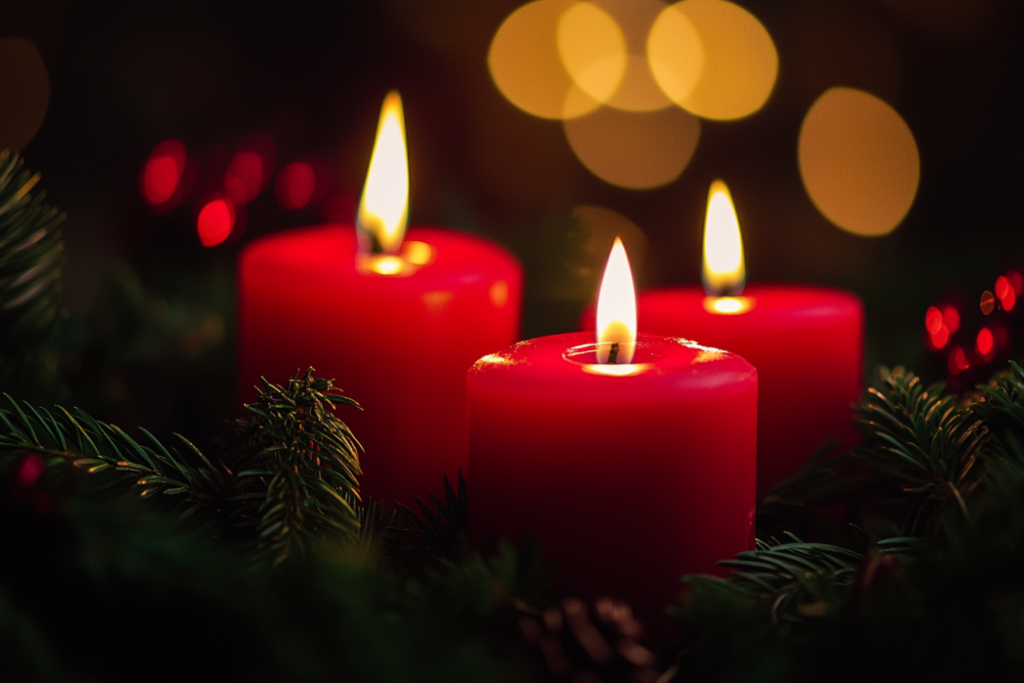
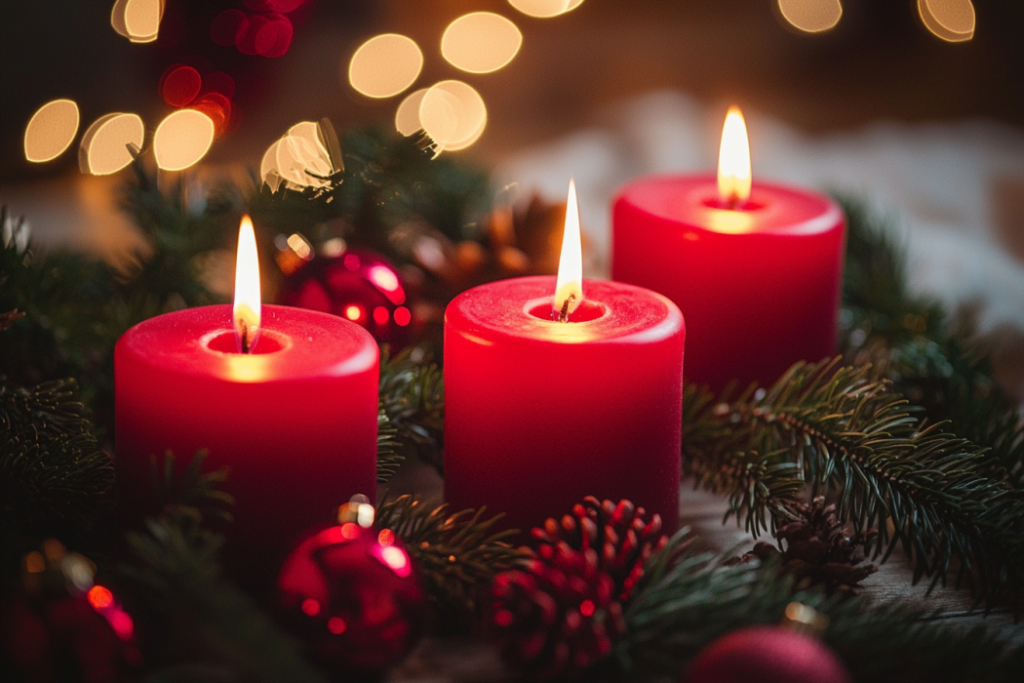
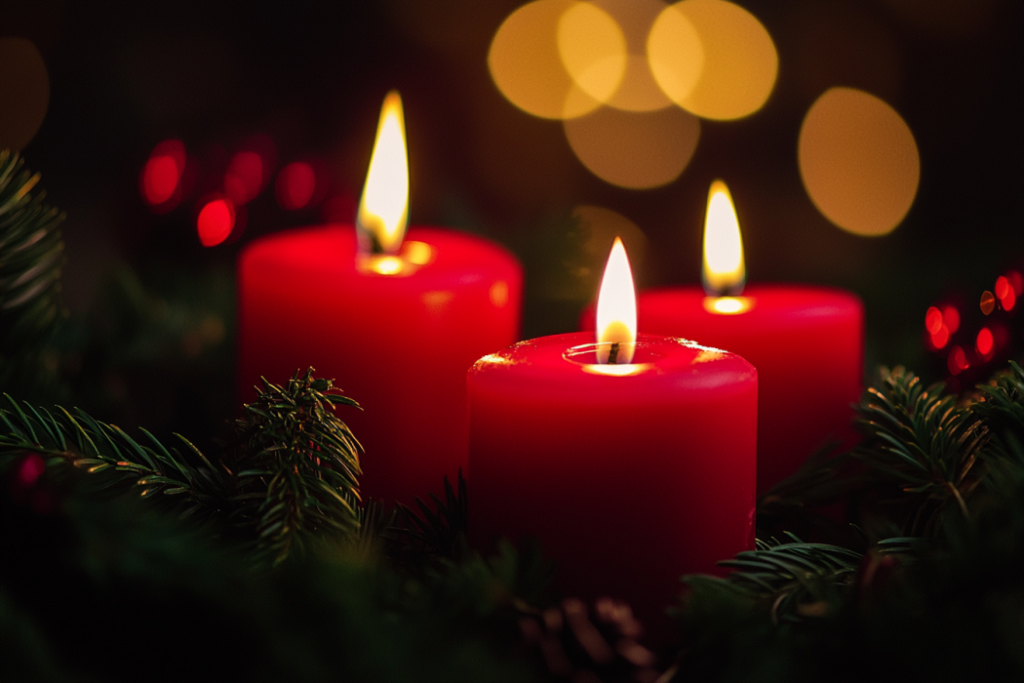
In addition to the Christmas tree, Czech homes are beautified with wreaths, nativity scenes, and the enticing scent of “purpura,” a fragrant blend of herbs and spices that fills the air with a distinctly Christmas aroma. Many families also create or purchase Advent wreaths featuring four candles, lighting an additional candle each week to count down to Christmas.
Advent Traditions
The Advent season in the Czech Republic is rich with traditions that help build anticipation for Christmas. One such tradition is the Advent calendar, which children use for the Christmas countdown to count down the days until Christmas Eve. Each day, they open a small door or pocket to reveal a treat or small gift.
Another beloved Advent tradition is the celebration of St. Nicholas Day on December 5th. This event, known as “Mikuláš” in Czech, is especially exciting for children. According to Czech folklore, St. Nicholas, accompanied by an angel and a devil, visits homes to reward good children with sweet treats and small gifts, while the devil playfully threatens to take away those who have misbehaved.
Saint Nicholas Day (Mikuláš)
Celebrating Saint Nicholas
Saint Nicholas Day, or Mikuláš, is a cherished winter celebration in the Czech Republic, observed on the night of December 5th. This festive evening is a magical time for Czech families, filled with anticipation and joy. According to tradition, Saint Nicholas, accompanied by an angel and a devil, visits homes to reward good children with sweet treats and small gifts, while the devil playfully threatens to take away those who have misbehaved. The angel, of course, is there to protect the children and ensure that the evening remains a joyous occasion.
In Prague, the celebration of Saint Nicholas Day is particularly enchanting. The ancient cobbled streets of Old Town come alive with the sight of devils and angels, and children, along with their parents, don luminous headbands, adding to the festive atmosphere. The air is filled with excitement as families gather to share stories, sing songs, and enjoy traditional Czech treats. Visitors to Prague during this time can immerse themselves in this unique celebration, experiencing firsthand the warmth and charm of Czech Christmas traditions.
Christmas Eve: The Heart of Czech Christmas Celebrations
Christmas Eve Dinner: A Feast of Traditions
In the Czech Republic, Christmas Eve, known as “Štědrý den” or “Generous Day,” is the pinnacle of the Christmas celebration. The day is filled with anticipation and last-minute preparations for the evening’s festivities.
The Christmas Eve dinner, or “Štědrovečerní večeře,” is the centerpiece of the Czech Christmas tradition. This meal is a significant part of the country’s culinary traditions, with families gathering around the table to enjoy a meal steeped in symbolism and tradition. The typical Czech Christmas dinner consists of several courses, each with its own significance.
The Main Course: Fried Carp and Potato Salad
The star of the Czech Christmas dinner is undoubtedly the traditional meal of fried carp served with potato salad. This tradition dates back to the Middle Ages when carp became associated with Christmas due to the Christian practice of fasting before the holiday. Carp, being readily available in the region’s many ponds, became the go-to meal for breaking the fast.
Preparing the Christmas carp is a tradition in itself. Many Czech families purchase live carp from street vendors or markets a few days before Christmas Eve. Some families keep the carp alive in their bathtub until it’s time to prepare the meal, a practice that has become less common in recent years but still persists in some households.
For those who don’t enjoy carp, alternatives like schnitzel or wine sausage are sometimes substituted. However, the potato salad remains a constant, its creamy texture and rich flavor a perfect complement to the main dish.
Soup and Other Dishes
Before the main course, Czech families typically enjoy a hearty soup as part of their festive dishes. Fish soup made from the carp is a popular choice, although some families prefer other varieties like mushroom soup.
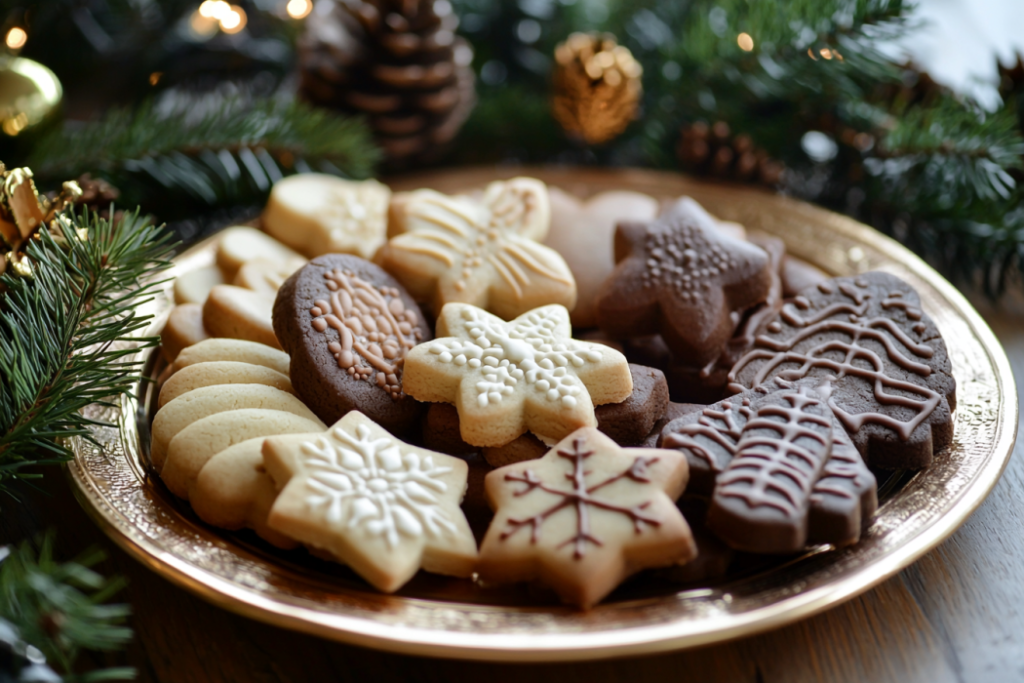
Other dishes that might grace the Christmas Eve table include various salads, bread, and an assortment of Christmas cookies for dessert. These cookies, or “cukroví,” are often baked in the weeks leading up to Christmas and come in a wide variety of flavors and shapes.
Christmas Eve Customs and Superstitions
The Czech Christmas Eve dinner is surrounded by numerous holiday customs and superstitions, many of which are deeply rooted in Czech folklore. Here are some of the most interesting ones:
- Setting an Extra Place: Many families set an extra place at the table for unexpected guests or lonely souls. This tradition reflects the generous spirit of the holiday.
- Staying at the Table: It’s considered bad luck to leave the table before everyone has finished eating. This custom encourages families to spend quality time together during the meal.
- Fish Scales for Luck: A fish scale is often placed under each dinner plate or in wallets. This is believed to bring good fortune and ensure that the family will have enough money in the coming year.
- Fasting and the Golden Pig: Traditionally, people would fast during the day on Christmas Eve. It was said that those who successfully fasted until dinner would see a golden pig, symbolizing wealth and happiness.
- No Meat Before Dinner: In keeping with Catholic tradition, many Czech families abstain from eating meat until the Christmas Eve dinner.
Fortune-Telling and Predicting the Future
Czech Christmas Eve is believed to hold magical powers, particularly when it comes to predicting the future through festive traditions. After dinner, families often engage in various fortune-telling activities:
- Cutting Apples: An apple is cut in half crosswise. If the core forms a star, it predicts good health and fortune for the coming year. If it forms a cross, it may foretell illness or misfortune.
- Floating Walnut Shells: Small candles are placed in walnut shell halves and set afloat in a bowl of water. The movement and arrangement of the “boats” are said to predict the future paths of family members.
- Pouring Lead: Molten lead is poured into water, and the resulting shape is interpreted to predict future events.
- Throwing Shoes: An unmarried person throws a shoe over their shoulder towards the door. If the toe points towards the door, it’s said they will marry within the year.
These playful traditions add an element of mystery and excitement to the Christmas Eve celebrations, bringing families together in shared anticipation of what the future might hold.
Christmas Day and Beyond: Continuing the Celebration
Christmas Day: Relaxation and Family Time
While Christmas Eve is the main event in Czech Christmas traditions, Christmas Day (December 25th) is also celebrated with an atmosphere full of holiday cheer. This day is typically more relaxed, with families spending time together, visiting relatives, or attending church services.
Many Czech families use this day to exchange gifts, although gift-giving traditions vary. Some families exchange gifts on Christmas Eve, while others wait until Christmas morning. Unlike in some Western countries, it’s not Santa Claus or Father Christmas who brings gifts in the Czech Republic. Instead, Czech children believe that Baby Jesus (Ježíšek) delivers their presents.
Celebrating the Birth of Jesus
Christmas Eve, known as Štědrý den, is the most anticipated and joyous day of the holiday season in the Czech Republic. It is a time for families to come together and celebrate the birth of Jesus, creating memories that will last a lifetime. The traditional Czech Christmas dinner is a highlight of the evening, featuring a feast of fried carp, potato salad, and other local delicacies. This meal is not just about the food; it is a symbol of togetherness and the rich cultural heritage of the Czech people.
The Christmas tree, or vánoční stromeček, is an essential part of Czech Christmas traditions. Typically set up on Christmas Eve, the tree is adorned with beautiful ornaments, twinkling lights, and a star on top, symbolizing the Star of Bethlehem. The tree remains a central part of the celebrations throughout the holiday season, bringing a touch of magic to Czech homes.
While Christmas Day is not as widely celebrated as Christmas Eve, it is still a special day for Czech families. It is a time to relax, exchange gifts, and enjoy the company of loved ones. Traditional Czech Christmas cookies, or cukroví, are often enjoyed on this day, adding a sweet touch to the festivities.
The Czech tradition of celebrating the birth of Jesus is deeply rooted in the country’s history and culture. Unlike in some Western countries, it is Baby Jesus (Ježíšek) who brings gifts to Czech children, adding a unique and heartwarming element to the celebrations. Visitors to the Czech Republic during the Christmas season can experience these unique traditions and the festive atmosphere that fills the air, making it a truly special time to visit.
Second Christmas Day: St. Stephen’s Day
December 26th, known as the Second Christmas Day or St. Stephen’s Day, is also a public holiday in the Czech Republic. This day is often spent visiting friends and extended family, continuing the festive celebrations.

Traditional Czech Christmas Foods
Sweet Treats and Christmas Cookies
No Czech Christmas would be complete without an abundance of sweet treats, particularly Christmas cookies or “cukroví.” Holiday baking these cookies is a beloved family tradition, often starting weeks before Christmas. Popular varieties include vanilla crescents, linzer cookies, and gingerbread.
Another traditional Christmas sweet is “vánočka,” a braided sweet bread studded with raisins and almonds. This bread has a long history in Czech culture and is often enjoyed for breakfast during the Christmas season.
Christmas Markets and Festive Foods
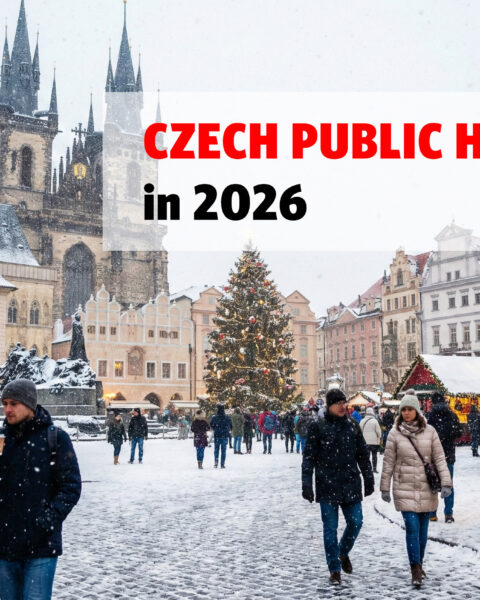
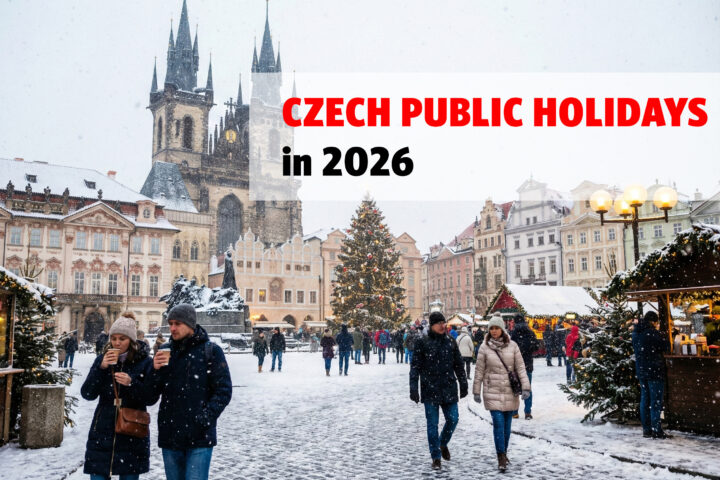
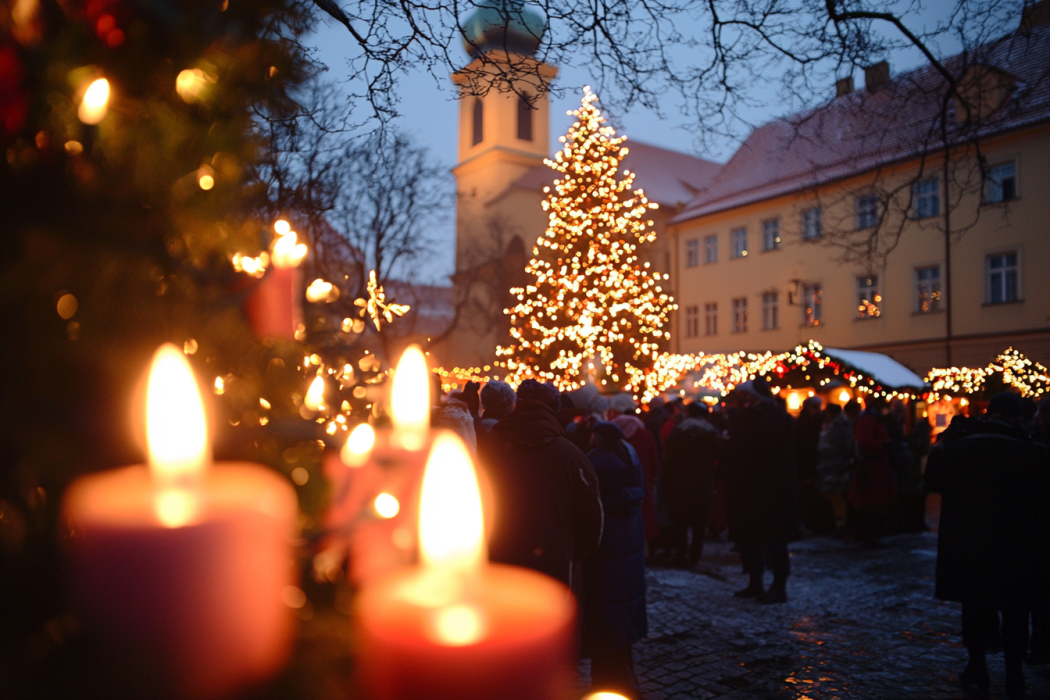
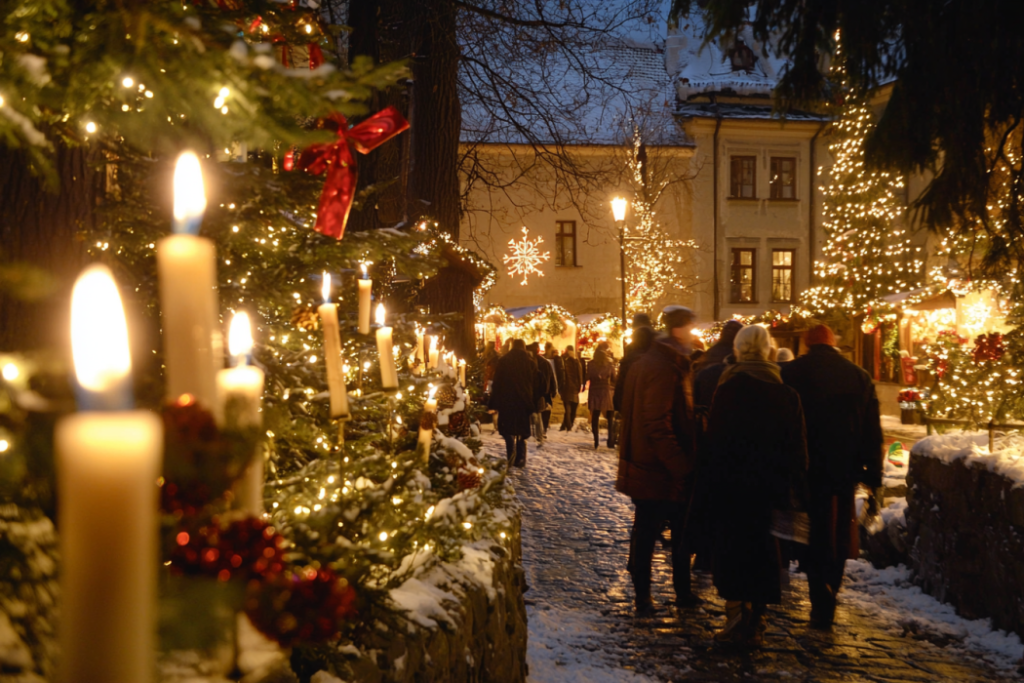
Czech Christmas markets, which pop up in town squares across the country during the Advent season, offer a variety of festive foods and traditional drinks. Visitors can enjoy mulled wine (svařák), roasted chestnuts, and various sausages and pastries. These markets are not only a great place to sample Czech Christmas cuisine but also to experience the festive atmosphere and perhaps pick up some handcrafted gifts or decorations.
Unique Czech Christmas Traditions
The Legend of the Golden Pig
One of the more unusual Czech Christmas traditions is the festive legend of the golden pig. According to this old custom, if a person fasts all day on Christmas Eve, they will see a golden pig appear on the wall before dinner. This vision is said to bring good luck and prosperity for the coming year.
While few people strictly observe the fasting tradition today, the golden pig remains a popular motif in Czech Christmas decorations and stories.
Carp Scales in Wallets
Another unique festive custom involves keeping a carp scale in one’s wallet after the Christmas Eve dinner. This practice is believed to ensure financial prosperity in the coming year. Some people even carry the scale with them throughout the entire year.
The Three Wise Men
While not strictly a Christmas tradition, the celebration of the Three Kings (or Wise Men) on January 6th during the holiday season marks the official end of the Christmas season in the Czech Republic. In some areas, children dress up as the three kings and go door-to-door singing carols and collecting money for charity.

The Influence of History and Culture on Czech Christmas Traditions
Czech Christmas traditions have been shaped by a variety of historical and cultural influences. The country’s location in Central Europe has exposed it to both Eastern and Western European customs, while its history as part of the Austro-Hungarian Empire brought German influences to its Christmas celebrations.
Despite periods of religious suppression during the communist era, many Czech Christmas traditions survived and even thrived as symbols of cultural identity. Today, while the Czech Republic is largely secular, these traditions continue to be an important part of the country’s cultural heritage.

The Enduring Magic of Czech Christmas
Czech Christmas traditions offer a fascinating blend of the ancient and the modern, the religious and the secular, all wrapped in a unique festive magic. From the anticipation of Advent to the joy of Christmas Eve dinner, from fortune-telling customs to the legend of the golden pig, these traditions create a uniquely Czech Christmas experience.
Whether you’re lighting candles on an Advent wreath, enjoying a plate of fried carp and potato salad, or strolling through a festive Christmas market, Czech Christmas traditions offer something for everyone. They bring families together, connect people with their cultural heritage, and infuse the winter season with warmth, generosity, and a touch of magic.
As the world becomes increasingly globalized, these distinctly Czech traditions serve as a reminder of the rich cultural tapestry that makes up our global community. They invite us to slow down, to connect with loved ones, and to find wonder in the simple pleasures of the holiday season.
Whether you’re Czech by birth, by heritage, or simply by interest, embracing these traditions can add a new dimension to your holiday celebrations. So this Christmas, why not try your hand at some Czech Christmas cookies, light a candle on an Advent wreath, or maybe even keep an eye out for that elusive golden pig? After all, Christmas is a time for creating memories, and Czech Christmas traditions offer plenty of opportunities to do just that.