 Kristina Vankova
The Czech Republic is a landlocked Central European country of 10.7 million people, bordered by Germany, Poland, Slovakia, and Austria. Formed on 1 January 1993 after the peaceful “Velvet Divorce” from Slovakia, it consists of three historical lands — Bohemia, Moravia, and Silesia — with Prague as the capital and largest city. This is the essential all-in-one guide for visitors, expats, and anyone curious about the country.
Quick answers — the Czech Republic in 60 seconds
- Official name: Česká republika (Czech Republic). Since 2016, the short form “Czechia” is also official.
- Capital: Prague (Praha) — see our Prague in 3 Days guide.
- Population: 10.7 million.
- Area: 78,867 km² (30,450 sq mi) — about the size of South Carolina.
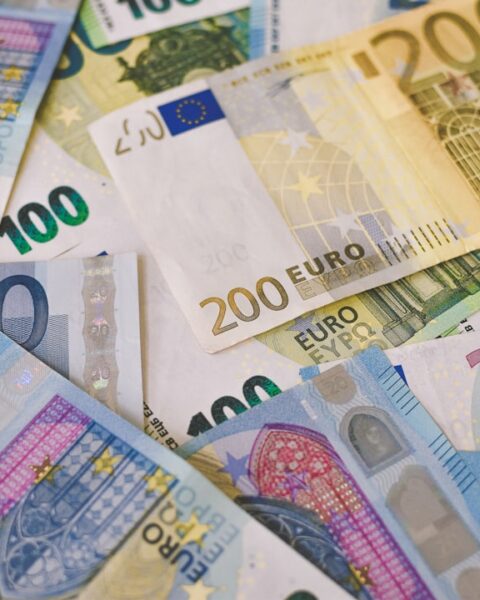
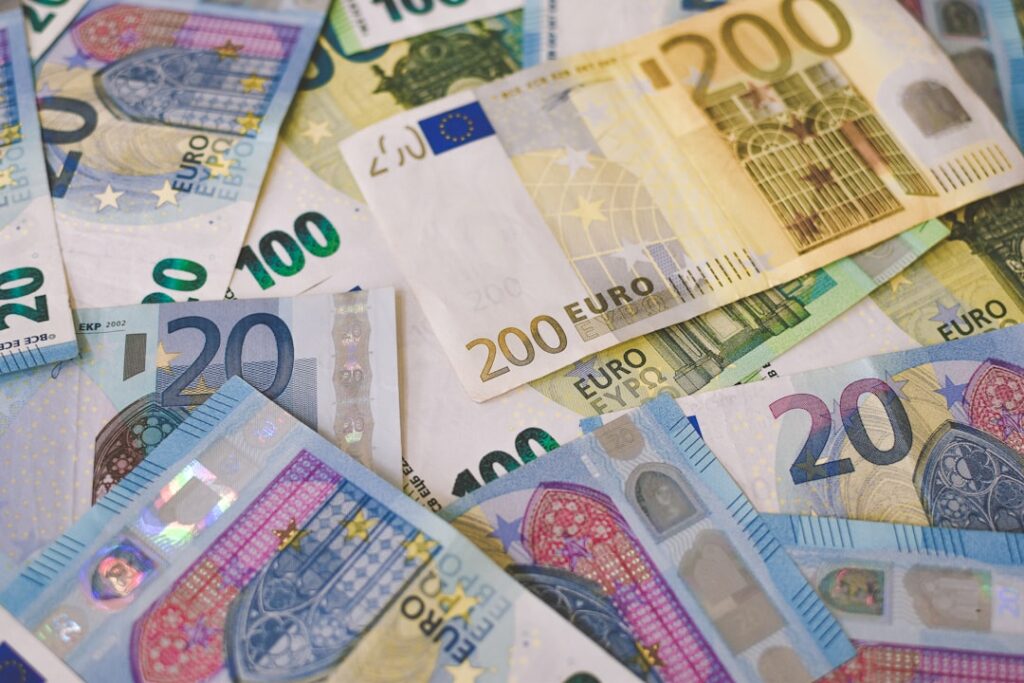
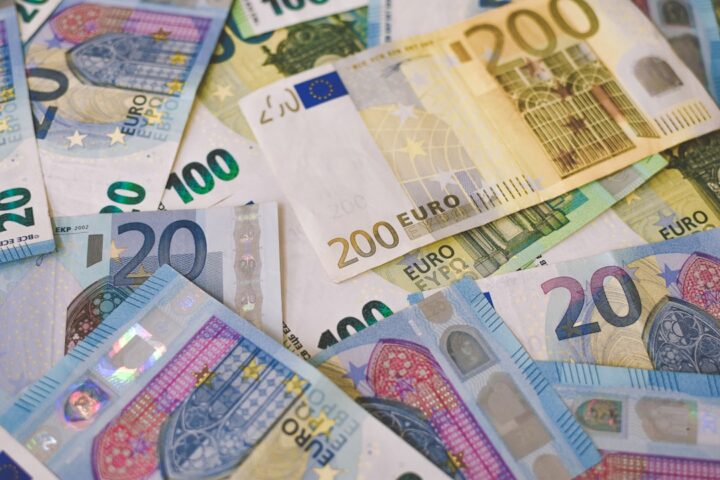
- Currency: Czech koruna (CZK, Kč). See our Czech currency guide.
- Languages: Czech (official). English widely spoken in Prague; German second-most-spoken foreign language.
- EU + Schengen + NATO member; not (yet) in the eurozone.
- Time zone: Central European Time (CET) / CEST in summer.
- Emergency: 112.
Where is the Czech Republic?
The Czech Republic sits in the geographic center of Europe, at approximately 50°N 15°E. It’s landlocked, bordered by Germany to the west and north, Poland to the north-east, Slovakia to the east, and Austria to the south. Prague, the capital, is roughly 3 hours by train from Berlin, 4 hours from Vienna, 4 hours from Munich, and 6 hours from Warsaw. See our Prague-to-Vienna transport guide and the Prague vs Vienna vs Budapest comparison.
Prague and the three Czech lands
Bohemia (Čechy)
The larger western region containing Prague, Karlovy Vary, Plzeň, České Budějovice, and Český Krumlov. The name “Bohemian” — as in “Bohemian lifestyle” — comes from the fact that Roma (Gypsies) who arrived in France in the 15th century were assumed to be Bohemian, giving the word its “free-spirited artist” connotation.
Moravia (Morava)
The eastern region centered on Brno (the second-largest Czech city). Moravian wine country produces ~96% of Czech wine — see our Moravian wine region guide.
Czech Silesia (České Slezsko)
A small northeastern region around Ostrava. The rest of historical Silesia is now in Poland.
Prague — the essential city
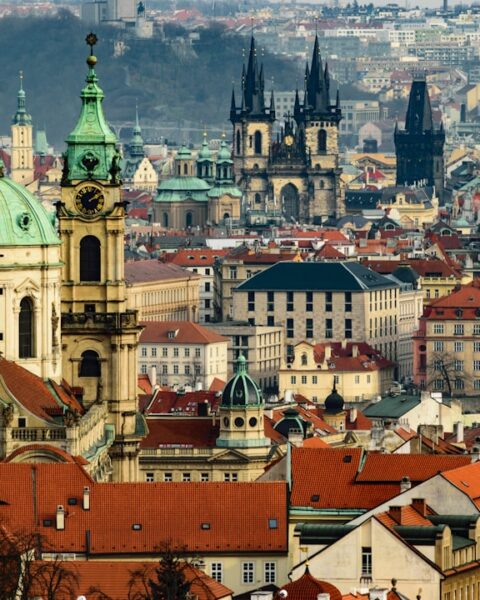
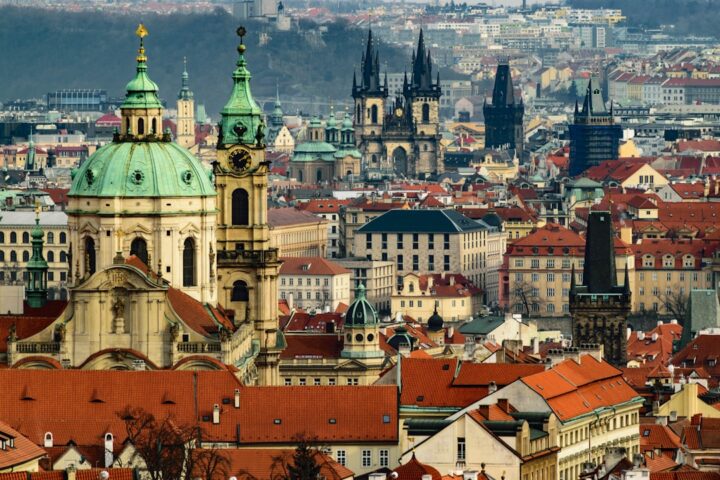
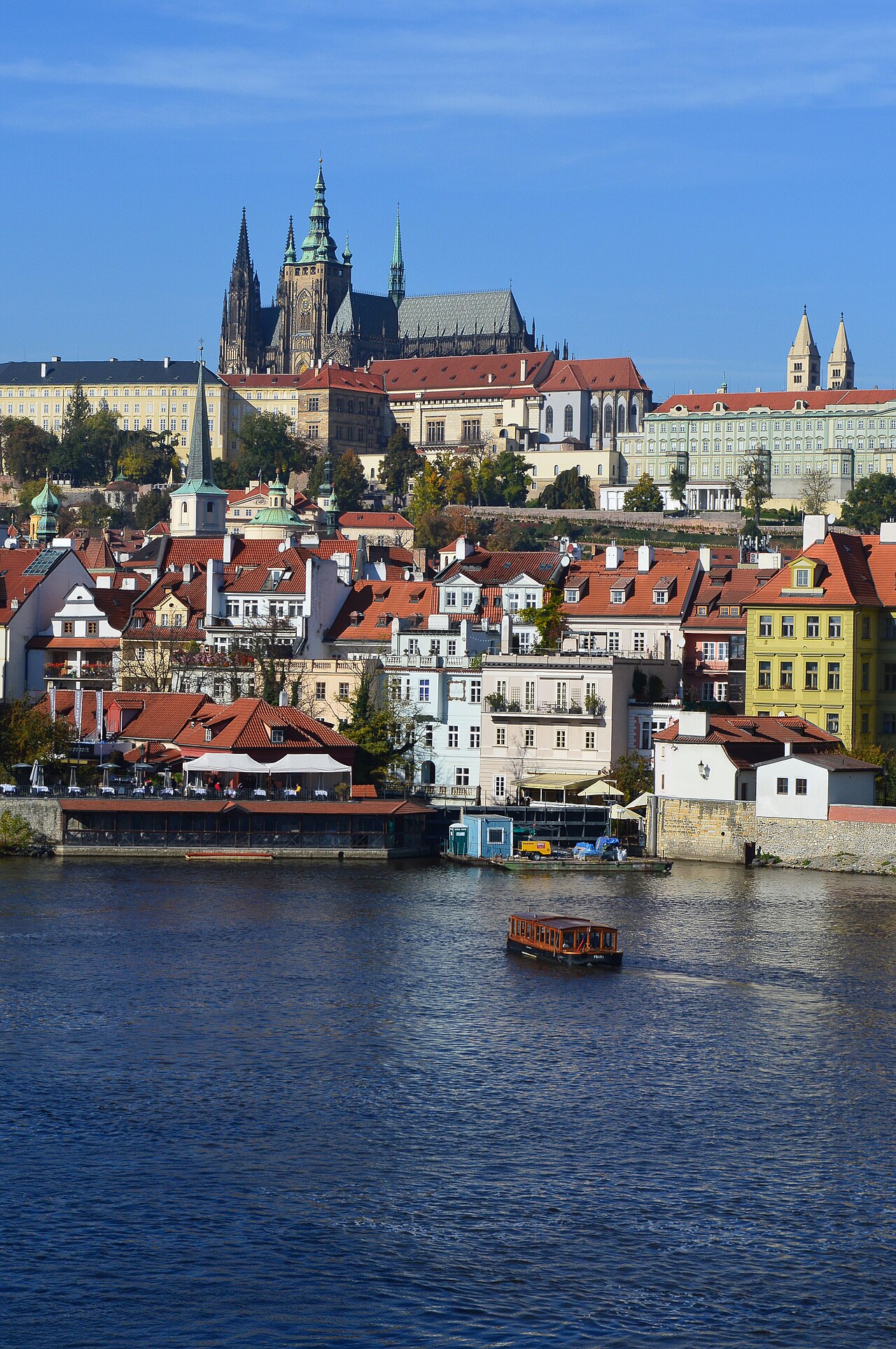
Prague is the political, economic, and cultural capital, home to 1.4 million of the country’s 10.7 million people. Founded in the 9th century, it survived World War II largely intact — making it one of the best-preserved medieval and baroque city centers in Europe. UNESCO-listed since 1992.
Essential Prague resources:
- Prague in 3 Days: The Perfect First-Time Itinerary
- 30 Best Things to Do in Prague
- Prague Castle: The Complete Guide
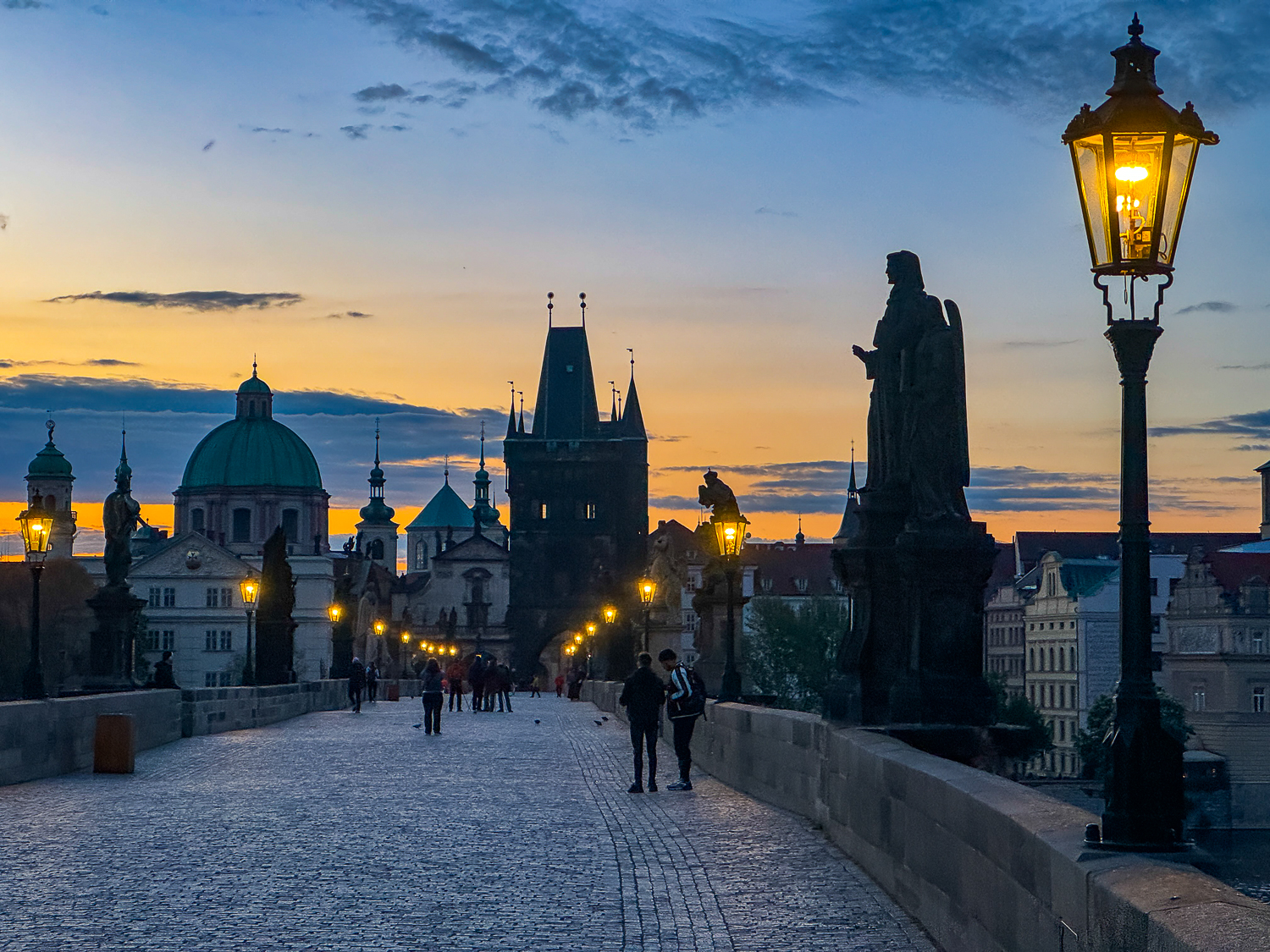
- Charles Bridge Guide
- Old Town Square Guide
- Prague Astronomical Clock Guide
- Where to Stay in Prague
- Prague Trip Cost 2026
- Best Time to Visit Prague
- Prague Safety Guide
Language and pronunciation
Czech is a West Slavic language with seven grammatical cases, three genders, and the notorious “ř” consonant that non-natives find nearly impossible to pronounce. About 10.7 million people speak it — the vast majority in the Czech Republic itself.
Learn the essentials: See our 60 essential Czech phrases guide for greetings, restaurant orders, transport, and pronunciation help.
How to pronounce “Czech Republic”
- English: “CHECK REP-uh-blick”
- Czech: Česká republika = “CHESS-kah REH-poo-blee-kah”
- Praha (Prague): “PRAH-hah” — the “h” is pronounced, not silent.
Czech vs Czechia vs Czech Republic
All three are correct.
- Czech Republic (Česká republika) — full official name; standard in formal contexts.
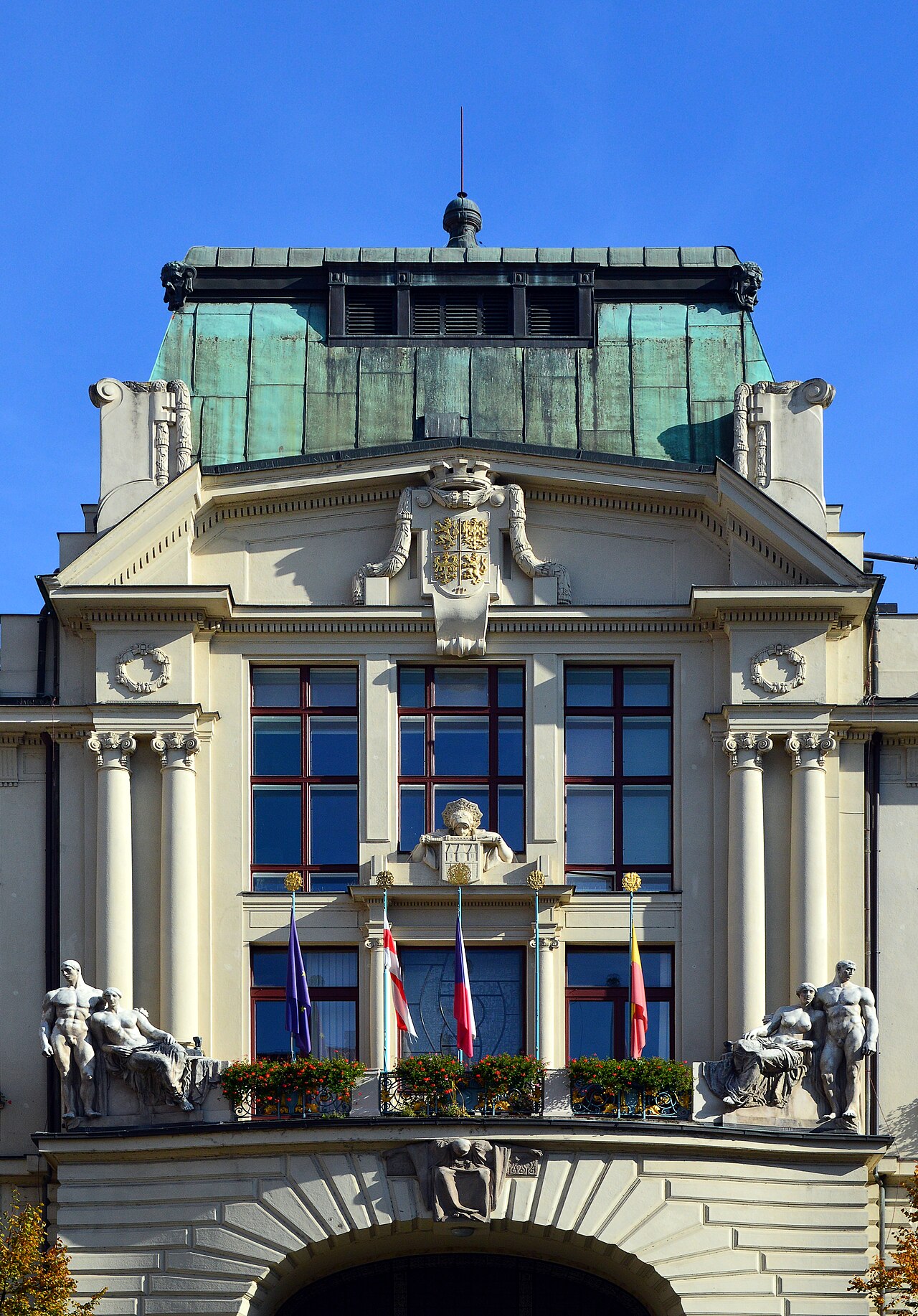
- Czechia (Česko) — the short-form official name adopted in 2016. Increasingly used internationally.
- Czech Republic in headline abbreviations sometimes shortened to “Czech Rep” or “CZ” (the ISO country code).
A brief Czech history
Beginnings (9th century)
The Czechs are a West Slavic people who settled Bohemia in the 6th century. The first Přemyslid duke, Bořivoj, converted to Christianity around 880 CE and established Prague Castle. See our Prague Castle guide.
Golden Age under Charles IV (14th century)
Emperor Charles IV made Prague the capital of the Holy Roman Empire in 1355. He founded Charles University (1348), built Charles Bridge (1357 — see our Charles Bridge guide), and commissioned St. Vitus Cathedral.
Hussite Wars (1419-1434)
The reformer Jan Hus was burned at the stake in 1415. His followers — the Hussites — fought a 15-year religious civil war triggered by the First Defenestration of Prague (1419). See our Defenestration of Prague guide.
Habsburg rule (1526-1918)
After the Battle of White Mountain (1620), the Czech lands were ruled by the Habsburg dynasty from Vienna for 300 years. Language, culture, and Protestant Christianity were suppressed; German became the language of administration.
Czechoslovakia (1918-1993)
Czechoslovakia was founded on 28 October 1918 as one of the successor states to Austria-Hungary. President Tomáš Garrigue Masaryk shaped the new democracy. World War II brought Nazi occupation (1939-1945); the Communist coup of 1948 imposed 40 years of Soviet-aligned rule. The Prague Spring of 1968 attempted reform but was crushed by Warsaw Pact invasion.
Velvet Revolution and modern Czech Republic (1989-)
The Velvet Revolution of November 1989 peacefully ended Communist rule — see our November 17 anchor guide. Václav Havel became president. On 1 January 1993, Czechoslovakia peacefully split into the Czech Republic and Slovakia. Czech Republic joined the EU in 2004 and the Schengen Area in 2007.
Czech culture
Beer culture
Czechs drink more beer per capita than any other country in the world — 142 liters/person/year. The Czech pilsner style (invented in Plzeň in 1842) is the ancestor of every pilsner brewed globally today. See our Prague Beer Guide.
Coffee house tradition
Prague’s kavárny — Central European coffee houses like Café Louvre (Kafka’s regular) and Café Savoy — are cultural institutions. See our Prague Coffee Guide.
Literature
Franz Kafka (1883-1924), Milan Kundera (1929-2023), Bohumil Hrabal, Karel Čapek (who coined the word “robot”), and Václav Havel are the most internationally known Czech writers. See our Kafka’s Prague walking tour.
Music
Antonín Dvořák, Bedřich Smetana, Leoš Janáček, and Bohuslav Martinů are the classical greats. Prague hosts the annual Prague Spring music festival.
Film
Czech New Wave (1960s) produced Miloš Forman, Věra Chytilová, Jiří Menzel. Prague is one of Europe’s biggest film-production centers — the Karlovy Vary International Film Festival (July) draws A-list stars.
Traditions and festivals
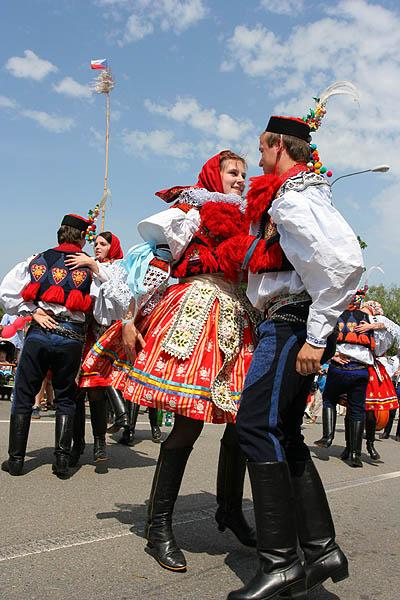
Christmas markets (late November – early January — see our Prague Christmas Markets guide), Easter with pomlázka and kraslice (see our Prague Easter guide), and the November 17 “Struggle for Freedom Day”.
Levetus, A. S
Körösfői-Kriesch, Aladár, 1863-1920 on Wikimedia Commons (Public domain)
Czech food and drink
Traditional Czech cuisine is meat-heavy, dumpling-based, and always accompanied by beer. Signature dishes: svíčková na smetaně, guláš, roast pork with dumplings (vepřo knedlo zelo), roast duck, and fruit dumplings for dessert. See our 15 Traditional Czech Dishes guide.
Best restaurant picks: Best Restaurants in Prague.
Cook Czech at home:
- “Recipes from an Old Town Bohemian Kitchen” cookbook
- Lodge 6-quart cast iron Dutch oven — for guláš, svíčková
- Digital kitchen scale — Czech recipes are weight-based
Practical information for visitors
Getting there
- Fly to Prague (Václav Havel Airport, PRG) — see our Prague airport transfer guide.
- Train from other European capitals — Berlin, Vienna, Munich, Bratislava all under 5 hours.
- Drive — requires a Czech vignette (10-day ~€10, buy at petrol stations).
Getting around
- Prague public transport is excellent — see our Prague Public Transport Guide.
- Intercity train system (ČD, RegioJet, Leo Express) is comfortable and affordable.
- Cars are unnecessary in Prague; only rent if going to rural Moravia or Krkonoše.
Money
See our Czech Currency (Koruna) Guide. Bring 1,000-2,000 CZK in cash; use cards everywhere else.
Safety
Czech Republic is one of Europe’s safest countries. See our Prague Safety Guide for tourist-specific advice.
Weather and best time to visit
- Best weather: May or September.
- Cheapest: February.
- Christmas markets: late November – early January.
Full breakdown: Best Time to Visit Prague and Prague Weather Month-by-Month.
Beyond Prague — the top destinations
- Kutná Hora — the famous Bone Church + UNESCO medieval town, 1 hour east.
- Karlovy Vary — grand spa town, 2 hours west.
- Český Krumlov — fairytale medieval town in South Bohemia, 2h 30min bus.
- Other Czech spa towns — Mariánské Lázně, Luhačovice.
- Brno — Moravia’s cultural capital.
- Moravian wine region — Mikulov, Valtice, Znojmo.
- Krkonoše (Giant Mountains) — Czech Republic’s highest peaks, best hiking + skiing.
- 10 best Czech castles — Hluboká, Karlštejn, Konopiště, Křivoklát, and more.
Full day-trips list: 15 Best Day Trips from Prague.
For expats and long-term visitors
- Living in Prague neighborhoods: Vinohrady, Karlín, Malá Strana.
- Prague solo travel: Solo Travel Guide.
- Prague with kids: Family Travel Guide.
- Prague on a budget: Budget Prague Guide.
Recommended reading
- Rick Steves Prague & the Czech Republic — the best all-round guidebook.
- Lonely Planet Central Europe — for combining Czech + Vienna + Budapest.
- “Havel: A Life” by Michael Žantovský — the definitive Havel biography.
- “The Unbearable Lightness of Being” by Milan Kundera — the essential Czech novel.
- “Postwar” by Tony Judt — for European context.
Frequently asked questions
Is Czech Republic the same as Czechia?
Yes. Czechia is the short-form official name adopted in 2016. Both are correct.
What language do they speak in the Czech Republic?
Czech. English is widely spoken in Prague and tourist areas; German is common among older speakers.
Is the Czech Republic in the EU?
Yes — EU member since 2004, Schengen since 2007. Not (yet) in the eurozone; still uses the koruna.
What currency does the Czech Republic use?
The Czech koruna (CZK). See our currency guide.
What is the capital of the Czech Republic?
Prague (Praha). Home to 1.4 million people.
How big is the Czech Republic?
78,867 km² (30,450 sq mi) — about the size of South Carolina.
Is the Czech Republic safe?
Yes — one of Europe’s safest countries. See our Prague Safety Guide.
What’s the difference between the Czech Republic and Czechoslovakia?
Czechoslovakia (1918-1992) was a shared state of Czechs and Slovaks. It peacefully split into two independent countries — the Czech Republic and Slovakia — on 1 January 1993.
Do I need a visa to visit the Czech Republic?
US, UK, EU, Canadian, Australian, Japanese, and most other nationalities do NOT need a visa for stays up to 90 days (Schengen rules). Check with your embassy for specific nationality requirements.
Is the Czech Republic expensive?
Cheaper than Western Europe (Germany, France, Austria); more expensive than Poland, Hungary, or Slovakia. See our Prague trip cost guide.
What time zone is the Czech Republic in?
Central European Time (CET, UTC+1) / Central European Summer Time (CEST, UTC+2) from late March to late October.
What is the national dish of the Czech Republic?
Svíčková na smetaně — marinated beef in cream sauce with bread dumplings. See our Traditional Czech Dishes guide.
What is the Czech Republic famous for?
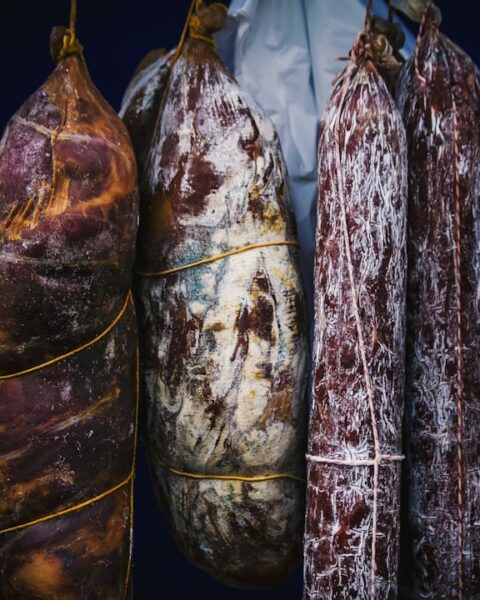
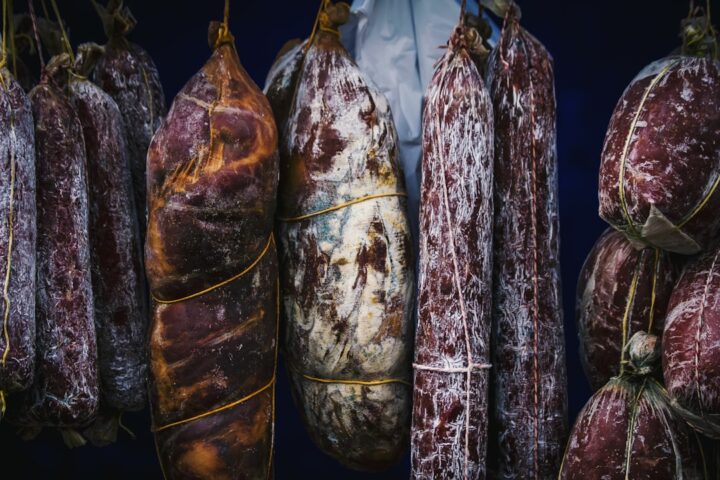
Beer (world’s highest per-capita consumption), Prague’s medieval + baroque architecture, Bohemian crystal, Kafka, Havel, Škoda cars, castles, and cured meats.
Complete resource index
Prague essentials
Prague sights
Prague neighborhoods
Prague practical
Food and drink
- Traditional dishes · Best restaurants · Beer guide · Coffee culture · Christmas cookies · Prague Powder
Culture and history
- November 17 / Velvet Revolution · Prague Spring 1968 · Defenestration of Prague · Kafka walking tour
Beyond Prague
- Day trips · Kutná Hora · Český Krumlov · Karlovy Vary · Best spa towns · Best castles · Moravian wine · Krkonoše mountains