 Vanda Svobodova
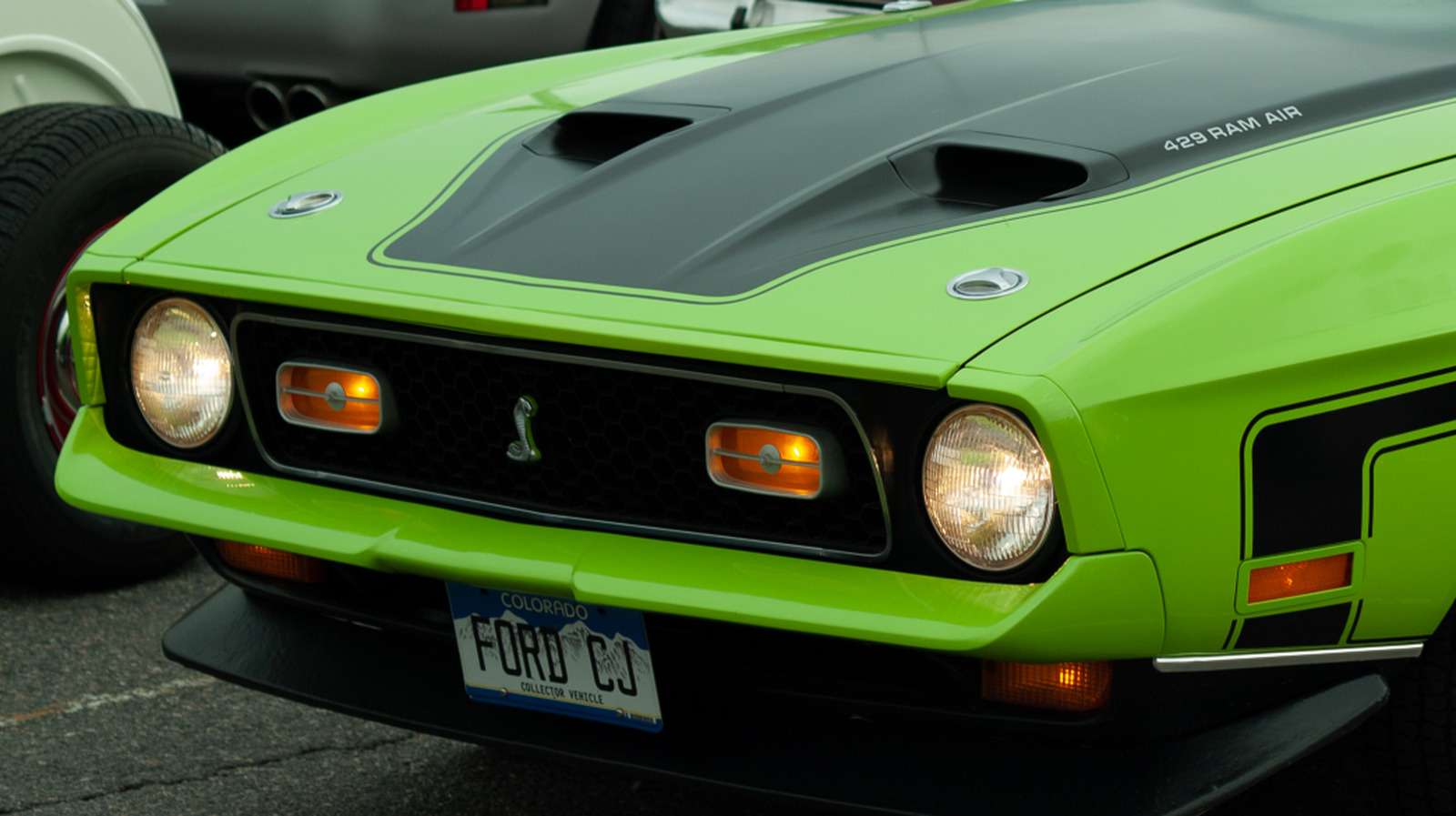
The Ford Mustang lineup of 1971 offers a fascinating glimpse into automotive engineering, particularly when comparing the Mustang Boss 351 and the Mustang 429 Cobra Jet. Though both models are emblematic of the muscle car era, enthusiasts and experts alike have long debated which truly holds the performance crown. In this examination, we’ll explore why the Boss 351 is regarded as faster and more nimble than its more heavily endowed sibling, despite the seeming horsepower disparity.
The Engines: A Tale of Power and Performance
At the heart of this debate lies the engines powering these iconic vehicles. The Mustang 429 Cobra Jet boasted an impressive 429-cubic-inch V8 engine, delivering a nominally massive output. Meanwhile, the Boss 351 came equipped with a 351-cubic-inch V8 engine, initially perhaps underestimated in its potential. Notably, while the 429 Cobra Jet was marketed as the powerhouse of the Mustang lineup, it wasn’t just about sheer engine size.
The Boss 351’s engine was fine-tuned for higher RPMs compared to the Cobra Jet, enabling quicker throttle response and better power delivery across a range of speeds. This refinement allowed the Boss 351 to excel in situations where agility and acceleration were key, making it a formidable contender on the drag strip and the racetrack alike.
Weight and Balance Considerations
When analyzing performance, weight and balance are crucial factors. Here, the Boss 351 had a distinct advantage. The 429 Cobra Jet, while powerful, added significant weight to the vehicle, impacting overall balance. With more weight over the front axle, the Cobra Jet suffered from understeer, making it less agile in corners and less capable of quick directional changes.
On the other hand, the Boss 351 was lighter, particularly on the front end, contributing to a better weight distribution. This lighter setup enabled drivers to maneuver the Boss 351 with greater ease, enhancing its handling characteristics and overall responsiveness in performance driving scenarios.
Power-to-Weight Ratio
Beyond individual aspects of engine performance and vehicle weight, the power-to-weight ratio stands as a critical metric in this comparison. While the 429 Cobra Jet provided more horsepower, its enhanced weight negated much of the potential advantage in practical performance terms. The Boss 351, with its reduced weight, delivered a more favorable power-to-weight ratio, translating into faster acceleration and better speed in real-world conditions.
This optimized power-to-weight ratio allowed the Boss 351 to achieve a quicker 0 to 60 mph time and a more impressive quarter-mile performance. These metrics were often used to settle the score among muscle car enthusiasts and provided the basis for the Boss 351’s celebrated status on the street and track.
Transmission and Gear Ratios
Another often overlooked aspect of this comparison is the transmission and gear ratios used in these vehicles. The Boss 351 featured a four-speed manual transmission, engineered for precision and efficiency. The gear ratios were specifically selected to maximize power delivery from its engine, allowing drivers to make full use of its high-revving capabilities.
The 429 Cobra Jet, conversely, could be equipped with either a four-speed manual or a three-speed automatic transmission. The automatic option, while convenient, did not always allow optimal power utilization, potentially compromising acceleration and speed figures. Even with the manual, the gear ratios were not as specifically tailored as in the Boss 351, leading to performance differences.
The Verdict: A Combination of Factors
Though debates can be passionate among automotive enthusiasts, the evidence suggests that the Boss 351’s superior agility and favorable power-to-weight ratio made it the faster and more versatile Mustang model of 1971. It championed a blend of power, weight distribution, and drive dynamics that, when combined, allowed it to outpace the seemingly more robust 429 Cobra Jet.
Ultimately, both models encapsulate the era’s thrilling spirit of automotive innovation and individuality. Each has earned its rightful place in the annals of muscle car history, representing different facets of performance and engineering philosophy. Enthusiasts today continue to celebrate both models, not only for their distinctive characteristics but for the extraordinary legacy they carry forward.
, image: https://www.jalopnik.com/2070104/why-ford-mustang-boss-351-quicker-than-mustang-429-cobra-jet/