 Jan Nettig
The Impact of Renaissance on Czech Architecture
The Renaissance, with its emphasis on humanism, classical aesthetics, and the revival of ancient architectural forms, left an indelible mark on Czech architecture. During this period of cultural enlightenment and artistic resurgence, Czech architects embraced the principles and ideals of the Renaissance, resulting in a profound transformation of the architectural landscape.
One of the most significant impacts of the Renaissance on Czech architecture was the adoption of classical architectural elements and proportional harmony. Inspired by the works of Italian masters such as Andrea Palladio and Filippo Brunelleschi, Czech architects began to incorporate symmetrical facades, balanced proportions, and harmonious compositions in their designs. This departure from the earlier Gothic and Romanesque styles created a visual language that was both timeless and elegant, giving rise to a new era of architectural excellence in the Czech Republic.
Distinctive Characteristics of Renaissance Architecture in Czech Republic
Distinctive Characteristics of Renaissance Architecture in Czech Republic
Central Europe experienced a significant revival during the Renaissance period, and the Czech Republic was no exception. Renaissance architecture in this region emerged with distinct characteristics that set it apart from other architectural styles of the time. One notable feature of Czech Renaissance architecture is its emphasis on harmony and proportion. Architects during this period meticulously calculated the dimensions of their structures, striving to create symmetrical designs that exuded a sense of order and balance.
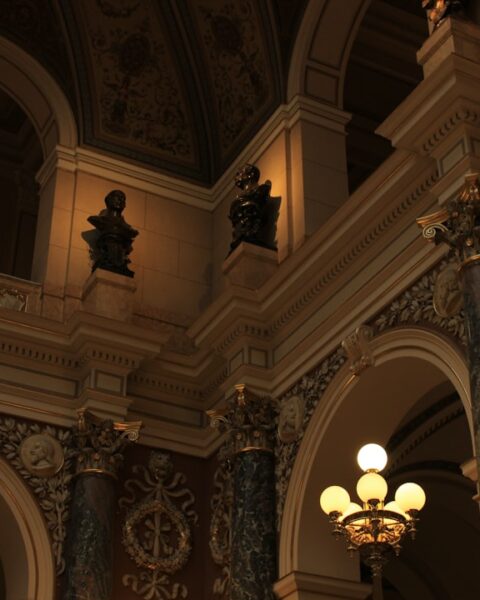
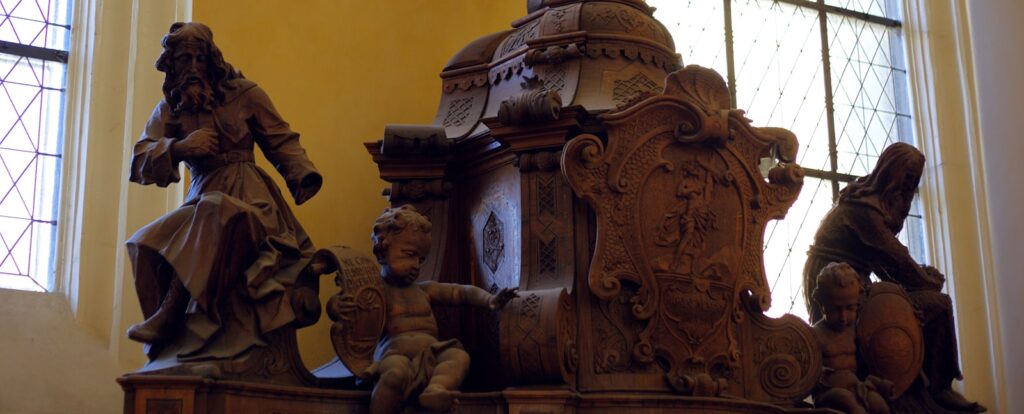
Another distinguishing characteristic of Renaissance architecture in the Czech Republic is its incorporation of decorative elements. Ornate facades, elegant arches, and intricate detailing were all prominent features of buildings constructed during this era. The use of fine stonework and sculptural ornamentation further enhanced the aesthetic appeal of these structures, showcasing the immense craftsmanship of Czech artisans. Such attention to detail contributed to the grandeur and richness that defined Czech Renaissance architecture.
Notable Examples of Renaissance Architecture in Czech Republic
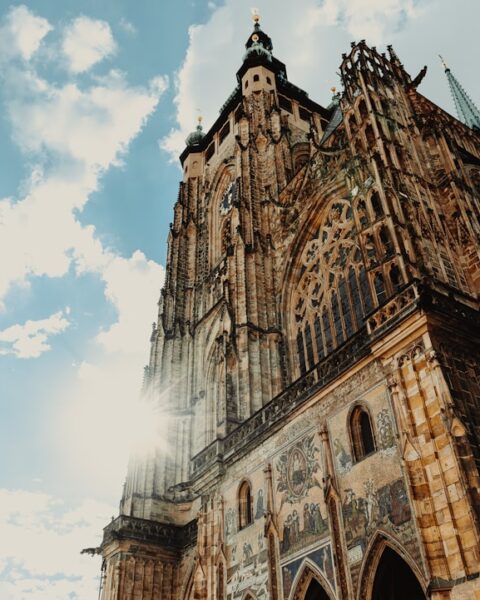
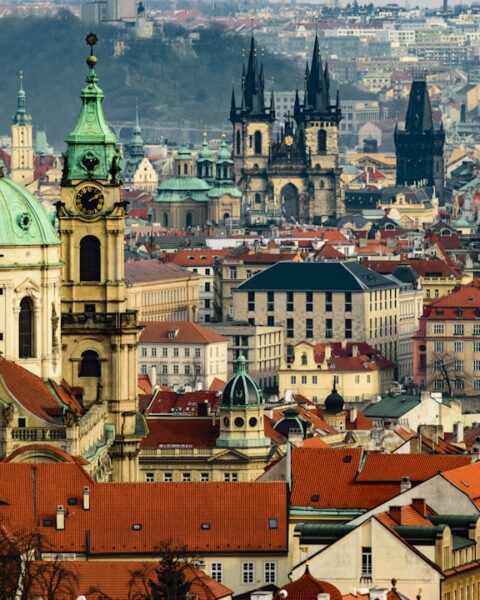
One notable example of Renaissance architecture in the Czech Republic is the Prague Castle, located in the heart of Prague. The castle, which dates back to the 9th century, underwent significant renovations during the Renaissance period under the rule of Emperor Rudolf II. The architecture of the castle reflects the elegant and symmetrical style characteristic of the Renaissance, with its geometric patterns, decorative facades, and grand courtyards. The Prague Castle stands as a significant testament to the influence of Renaissance architecture in the Czech Republic and attracts millions of tourists each year.
Another remarkable example is the Villa Tugendhat in Brno. Designed by the German architect Ludwig Mies van der Rohe in the late 1920s, it is considered a prime example of modernist architecture with strong influences from the Renaissance period. The villa’s clean lines, open spaces, and use of materials such as steel and glass reflect the principles of simplicity and harmony found in Renaissance architecture. The Villa Tugendhat is now a UNESCO World Heritage Site and serves as a testament to the lasting impact of Renaissance ideals on contemporary architectural design in the Czech Republic.
The Enduring Legacy of Czech Architecture: From Romanesque to Renaissance
The rich and diverse architectural heritage of the Czech Republic is a testament to the country’s historical significance and cultural evolution. From the early Romanesque period to the flourishing Renaissance era, Czech architecture has left an enduring legacy that continues to captivate and inspire.
Romanesque architecture, which emerged in the 10th century, introduced a distinctive style characterized by robust forms and rounded arches. This architectural style can be seen in the many castles, churches, and monasteries that still grace the Czech landscape today. Notable examples include the stunning Vyšehrad castle in Prague and the imposing Old Town Hall in Brno. These structures not only showcase the exceptional craftsmanship of the time but also serve as reminders of the Czech Republic’s medieval past.
As the Czech lands became increasingly influenced by the Renaissance movement, the architecture underwent a noticeable transformation. The principles of proportion, symmetry, and classical elements such as columns and arches took center stage. The result was a series of elegant and harmonious buildings that reflected the intellectual and cultural fervor of the time. Icons of Renaissance architecture in the Czech Republic include the magnificent Prague Castle complex, the beautiful Schwarzenberg Palace in Cesky Krumlov, and the picturesque Vilémov Castle. These structures serve as testament to the Czech Republic’s artistic prowess and the enduring legacy of the Renaissance period in the country’s architectural landscape.