 Vanda Svobodova
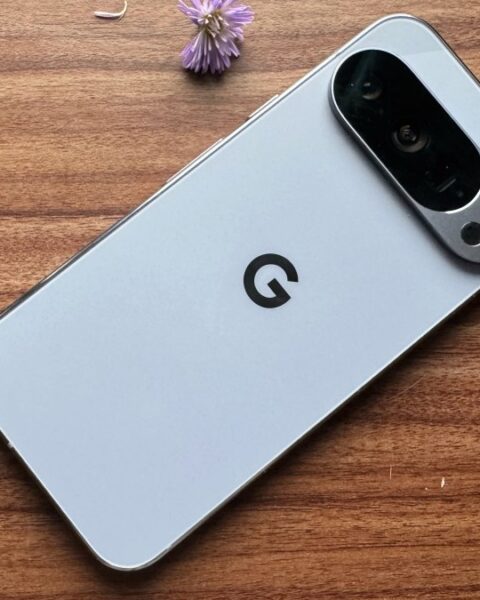
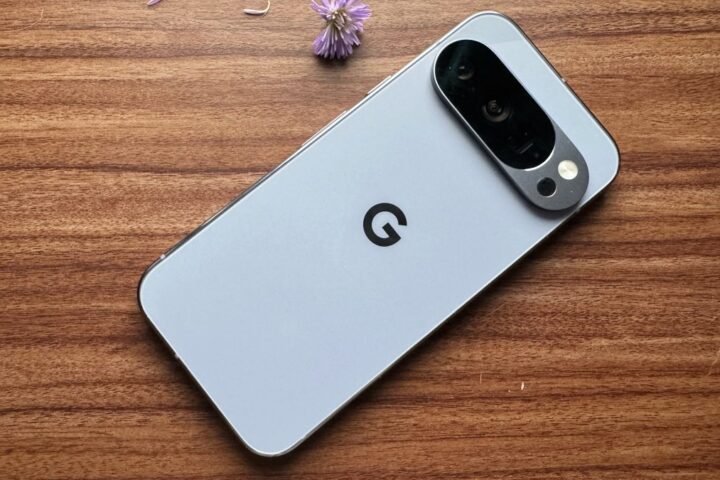
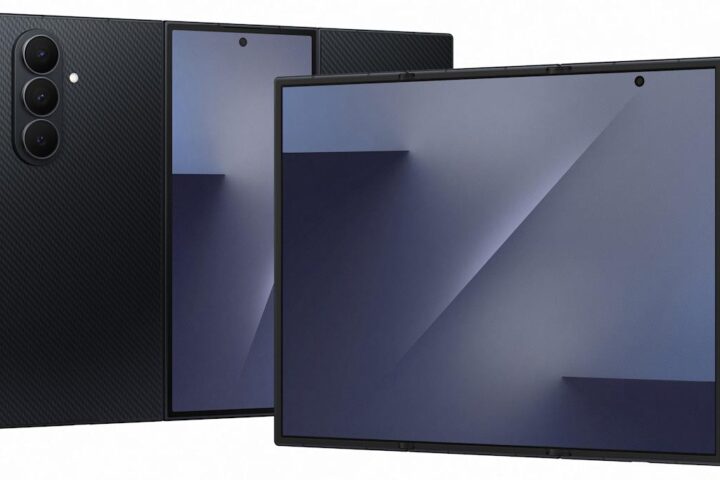
The tech world is abuzz with speculation about the upcoming Google Pixel 11, as expectations mount that it could finally level up to the performance standards set by its chief rivals, Samsung and Apple. Historically, Google’s Pixel series has commanded attention for its superior photography capabilities and seamless integration with Android, yet it has lagged behind the competition in terms of raw performance. However, this dynamic might soon change.
Breaking Down the Performance Barrier
Central to the Pixel 11’s potential leap in performance is its impending upgrade in processing power. Reports suggest that Google is poised to embrace a cutting-edge chipset, likely through its collaboration with Samsung. This strategic partnership is expected to yield a processor that not only holds its own against but possibly competes with flagship models from Samsung and Apple.
Currently, Google’s use of proprietary chipsets, developed under the Google Tensor brand, has garnered mixed reviews. While these chips excel in machine learning and AI-driven tasks, they haven’t quite matched the real-world speed and efficiency benchmarks set by competitors like Qualcomm’s Snapdragon series or Apple’s custom chips. The anticipated enhancements for the Pixel 11 signal a significant shift in Google’s approach to mobile processing.
The Evolution of Google Tensor
The Google Tensor chip, which was first introduced with the Pixel 6, marked a bold step towards custom silicon. Its focus on artificial intelligence paved the way for features like real-time language translation and advanced computational photography. Yet, in non-AI tasks, such as gaming and heavy multitasking, it often fell short compared to the industry’s high performers.
For the Pixel 11, Google is reportedly intensifying its efforts to refine the Tensor architecture. This new iteration is expected to incorporate more advanced fabrication techniques and improved GPU capabilities, aimed at enhancing both speed and efficiency.
Keeping Up with the Competition
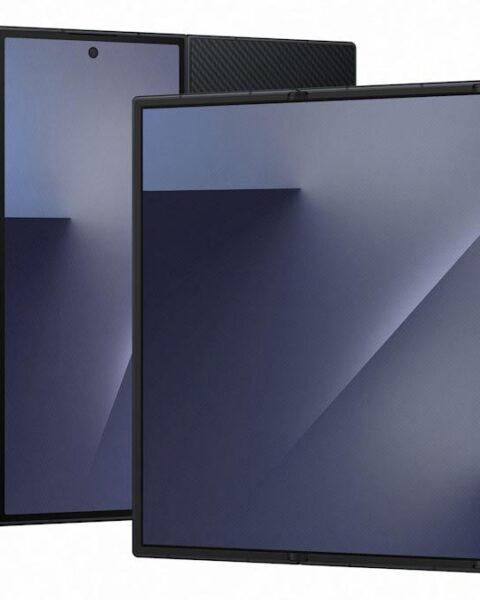
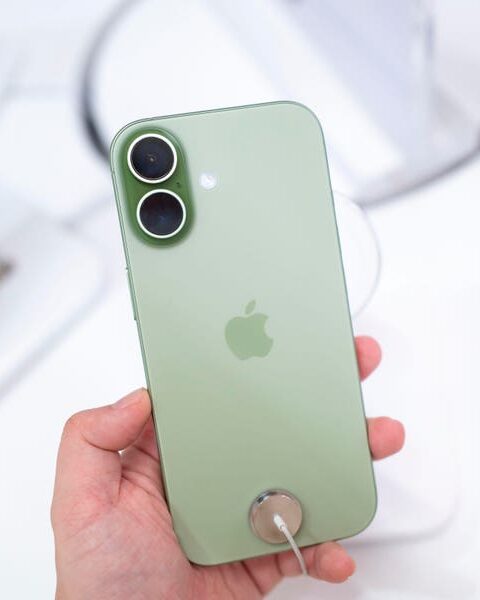
Apple’s A-series chips and Samsung’s Exynos processors have long dominated performance discussions. Apple’s latest A-series chips are renowned for their unparalleled processing speeds and energy efficiency, while Samsung’s Exynos processors incorporate advanced features designed to optimize performance across a range of applications.
The Pixel 11 is projected to close this gap by focusing not just on raw power, but also on optimizing overall user experience. Enhanced processing power could allow for more fluid app switching, reduced load times, and better device responsiveness, aligning more closely with the experiences users have come to expect from industry leaders.
Beyond the Core: Additional Upgrades
- Improved Connectivity: Alongside the new chipset, the Pixel 11 is expected to feature enhancements in connectivity technology, potentially incorporating the latest in 5G innovation.
- Advanced Software Integration: With Android at its core, the Pixel 11 could offer tighter software integration, unlocking new features and refined performance metrics.
- Battery Efficiency: New chip technology may also translate to better battery management, addressing one of the most critiqued aspects of smartphone performance.
The Broader Implications
Google’s pursuit of performance improvements in the Pixel 11 speaks to a broader strategy of pushing the limits of mobile technology. By focusing its efforts on enhancing performance, Google not only elevates its own product line but also fosters a competitive environment that encourages technological innovation across the industry.
In the context of an ever-evolving tech landscape, these moves could potentially redefine user expectations and raise the bar for what smartphones can achieve. Such advancements might entice users who previously favored brands for their speed and fluidity, without sacrificing the Pixel’s hallmark AI and photographic excellence.
Ultimately, as Google unveils the Pixel 11, the tech community will be watching closely to see if this device truly represents a new era for Pixel smartphones, not just meeting but possibly exceeding the performance expectations set by its formidable competitors.
, image: https://www.tomsguide.com/phones/google-pixel-phones/google-pixel-11-could-finally-catch-up-to-samsung-and-apple-on-performance-heres-how