 Kristina Vankova
The Origin and Influence of Hezbollah
Hezbollah, also known as the “Party of God,” has grown from its roots in the Lebanese Civil War into one of the most formidable non-state actors in the Middle East. Founded in the early 1980s with the support of Iran’s Revolutionary Guards, Hezbollah has evolved into a multifaceted organization wielding significant military, political, and social influence.
A Multifaceted Organization
Hezbollah is far more than just a militant group. The organization has both a military wing, which engages in paramilitary operations, and a political wing that participates in Lebanon’s parliamentary democracy. This duality allows Hezbollah to wield influence in both conventional and unconventional arenas.
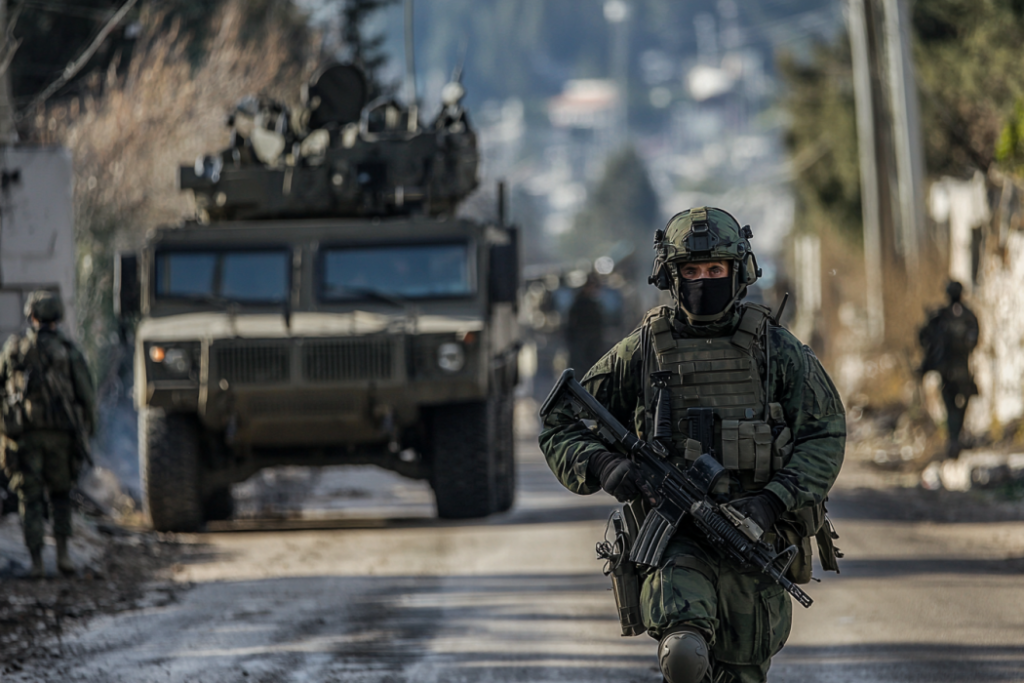
Military Dimension: Known for its guerrilla warfare tactics, Hezbollah’s military wing has been a persistent thorn in Israel’s side. The group’s arsenal includes rockets, drones, and advanced missile systems, making it a formidable military force.
Political Influence: Hezbollah’s political wing has been a major player in Lebanese politics for decades. Operating within the framework of Lebanon’s complex sectarian system, Hezbollah has managed to secure significant representation in the Lebanese parliament.
Social Services: Hezbollah’s network extends into social services, providing healthcare, education, and other community programs. This social dimension garners significant grassroots support, especially among Lebanon’s Shia population.
Iran’s Strategic Investment
Iran has long viewed Hezbollah as its foremost investment in foreign policy. For Tehran, Hezbollah serves multiple strategic functions: a deterrent against Israel, a force multiplier in Syria, and a model for other Shia militias in the region.
A Tool Against Israel
Hezbollah acts as Iran’s front-line deterrent against Israel. Positioned on Israel’s northern border, Hezbollah is capable of launching attacks and has consistently refused to disarm despite international calls. The relationship is mutually beneficial: Iran supplies Hezbollah with advanced weaponry and training, while Hezbollah provides Iran with a direct operational reach into the Levant.
Role in Syria
Since the outbreak of the Syrian Civil War, Hezbollah has played a pivotal role in supporting the Assad regime. Backed by Iranian support, Hezbollah fighters have been instrumental in key battles, allowing Assad to regain and maintain control over crucial territories.
Regional Influence
Hezbollah’s model extends beyond Lebanon and Syria, influencing Shia militias in Iraq and Yemen. Through Hezbollah, Iran propagates its ideology and operational tactics across the region, aiming to fortify a coherent regional axis of power.
Israel: A Many-Faced Adversary
For Israel, Hezbollah poses a complex and multifaceted threat. The organization’s military prowess, political influence, and social reach make it a challenging adversary.
Military Confrontations
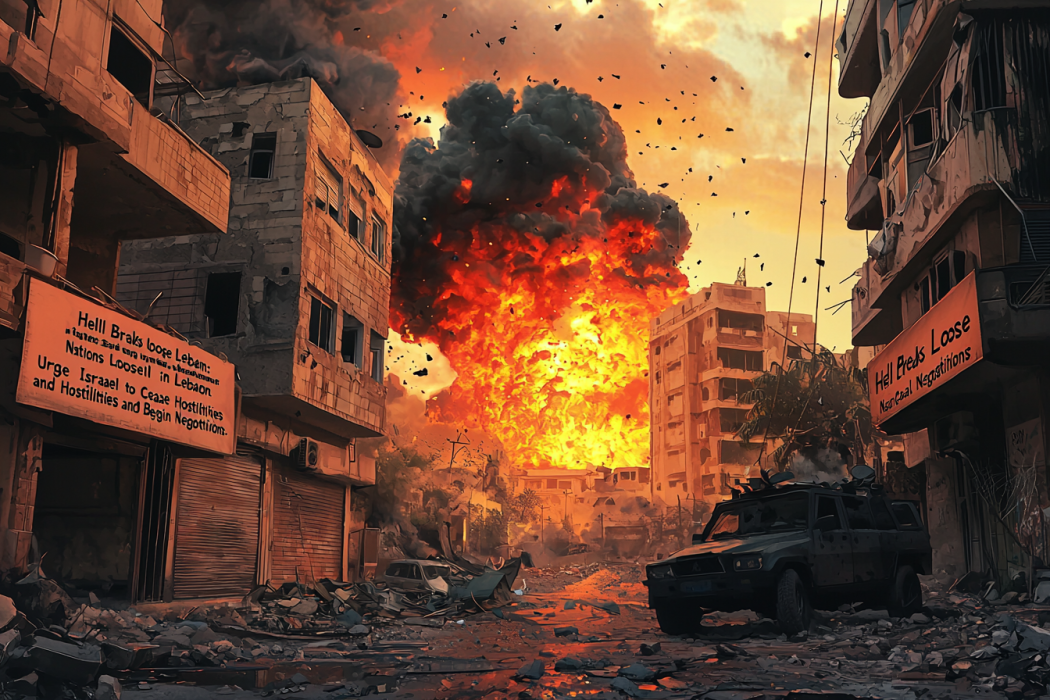
Hezbollah and Israel have had numerous military confrontations, the most significant being the 2006 Lebanon War. Although it resulted in heavy casualties and infrastructure damage on both sides, the war did not succeed in debilitating Hezbollah. Instead, Hezbollah emerged more emboldened and experienced.
Intelligence and Counter-Intelligence
The conflict between Hezbollah and Israel is not limited to direct military confrontation. Both sides engage in extensive intelligence and counter-intelligence operations. Israel continually monitors Hezbollah’s activities, while Hezbollah has developed sophisticated espionage techniques.
Implications for the Future
The future of Hezbollah and its role in regional geopolitics remains uncertain. Several factors could shift the balance of power, impacting Hezbollah’s operations and influence.
Lebanese Internal Dynamics
The economic crisis in Lebanon has put additional strain on Hezbollah. While the organization provides essential services, its resources are not limitless. Furthermore, the general population’s increasing discontent could lead to political upheaval.
Shifts in Iranian Policy
Iran’s internal situation and foreign policy priorities could also impact Hezbollah. A change in leadership in Tehran or a shift in policy due to international pressure might alter the level of support Hezbollah receives.
International Interventions
International actors, including the United States and European Union, continue to monitor Hezbollah closely. Sanctions and diplomatic pressure aim to curb Hezbollah’s operations, although the organization has proven resilient.
Hezbollah stands as a testament to the complexities of Middle Eastern geopolitics. Its military strength, political clout, and social services make it a formidable player. For Iran, Hezbollah continues to be a strategic investment worth maintaining. For Israel, Hezbollah remains a multifaceted adversary requiring constant vigilance. The intricate interplay of regional politics ensures that Hezbollah will remain a critical factor in Middle Eastern geopolitics for the foreseeable future.