 Vanda Svobodova
In the fast-evolving landscape of digital technology, icons are more than mere symbols; they are powerful influencers that shape how users perceive and interact with technology. As artificial intelligence tools like Google Gemini and ChatGPT become increasingly integrated into daily life, their iconography plays a crucial role in public perception and user experience. This phenomenon underscores the intersection of graphic design and technology, where a simple image can influence societal attitudes toward advanced digital tools.
The Power of Iconography in Tech
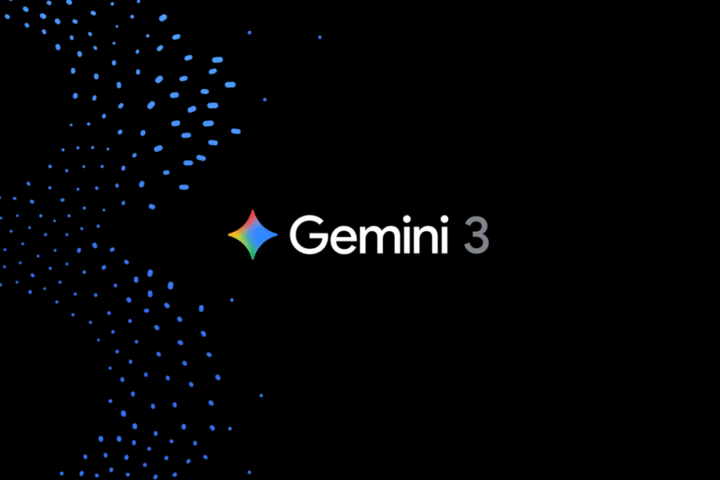
Icons serve as the bridge between complex technological capabilities and user-friendly interfaces. They distill intricate systems into simple visuals that can be universally understood, regardless of language or technical proficiency. For instance, Google’s Gemini icon is more than a design element; it represents the brand’s commitment to accessibility and the seamless integration of AI into everyday tasks. Similarly, OpenAI’s ChatGPT utilizes iconography to create an approachable gateway into a world of complex machine learning capabilities. These icons encapsulate sophisticated technologies in a manner that is both inviting and non-threatening to the average user.
The psychology behind iconography is significant. A well-designed icon can elicit trust, induce curiosity, and inspire confidence. This psychological impact is crucial for tech companies as they strive to normalize the use of AI in communities that might feel hesitant or resistant to these innovations. Design choices, therefore, require a deep understanding of cultural nuances and user expectations.
Cultural Context and Design Choices
Designers must consider cultural symbolism and color psychology when crafting icons for AI tools. The choice of color, shape, and imagery can vary significantly across different demographics and regions. For example, blue often connotes trust and reliability in Western cultures, which is why many tech companies incorporate blue hues into their branding. The design of Google’s Gemini leverages these cultural nuances, utilizing a color palette and form that resonate widely with user expectations and preferences.
Moreover, inclusivity in design is paramount. Icons need to represent a global audience, transcending cultural barriers. This inclusivity enhances user comfort and removes barriers to technology adoption. Designers of AI tools are tasked with creating icons that are not only aesthetically pleasing but also universally relevant. This involves meticulous research and an understanding of the diverse user base that digital tools cater to globally.
Impact on User Engagement and Experience
The impact of iconography extends beyond first impressions; it significantly influences ongoing user engagement and experience. Icons serve as visual shorthand in user interfaces, guiding users through applications and web environments efficiently. A well-designed icon can reduce the learning curve associated with new technology, making tools feel more intuitive and user-friendly. This is particularly important for AI tools like ChatGPT, where the underlying technology is complex. Here, iconography acts as an anchor, helping users navigate features without feeling overwhelmed.
Furthermore, the aesthetic consistency of icons with a brand’s overall design language reinforces brand identity and loyalty. Users who encounter cohesive visuals are more likely to trust and engage with a product, contributing to a positive brand perception and enhancing user satisfaction.
- Accessibility: Icons simplify navigation, making tools accessible to a wider audience, including those with varying levels of technical expertise.
- Brand Identity: Consistent design forms a recognizable brand image, fostering user loyalty.
- Intuitiveness: Icons enhance the intuitive understanding of technological functions, encouraging users to explore features independently.
The nuanced role these visual elements play in digital ecosystems highlights their importance in both marketing strategies and UX design. By creating a symbiotic relationship between iconography and functionality, tech companies can significantly boost user engagement and satisfaction.
As the digital landscape continues to evolve, the significance of icons will only grow. They are integral in simplifying complex technologies, enhancing user experience, and fostering a global digital community that feels both accessible and inviting. Companies that recognize and harness the power of iconography are likely to lead the way in tech innovation and user adoption in the years to come.
, image: https://slate.com/technology/2025/12/artificial-intelligence-tools-icon-google-gemini-chatgpt-design.html