 Kristina Vankova
Overview of Current Israeli Tensions in Lebanon
The geopolitical landscape of the Middle East has once again found itself on the brink of turmoil. The volatile zone of the Israel-Lebanon border is heating up as tensions between Israel and Hezbollah, the militant group based in Lebanon, are becoming increasingly palpable. The stakes are high, and the scenario is rapidly evolving.
Missiles and Militia: Understanding Hezbollah’s Arsenal
Hezbollah, often considered a state within a state in Lebanon, has been able to amass a significant arsenal over the years. The organization’s missile capabilities have drawn considerable concern from Israel, primarily due to the potential damage that could be wrought on civilian and military infrastructure. Reports indicate that Hezbollah possesses tens of thousands of rockets, ranging from short-range projectiles to more advanced medium and long-range missiles.
Key Highlights:
- Hezbollah’s arsenal includes more advanced systems capable of targeting specific strategic points within Israel.
- Israel’s intelligence is constantly monitoring and countering these threats through various means, including air strikes and covert operations.
- International diplomatic efforts are continually being undertaken to mitigate the risk of a full-scale escalation.
Recent Escalations
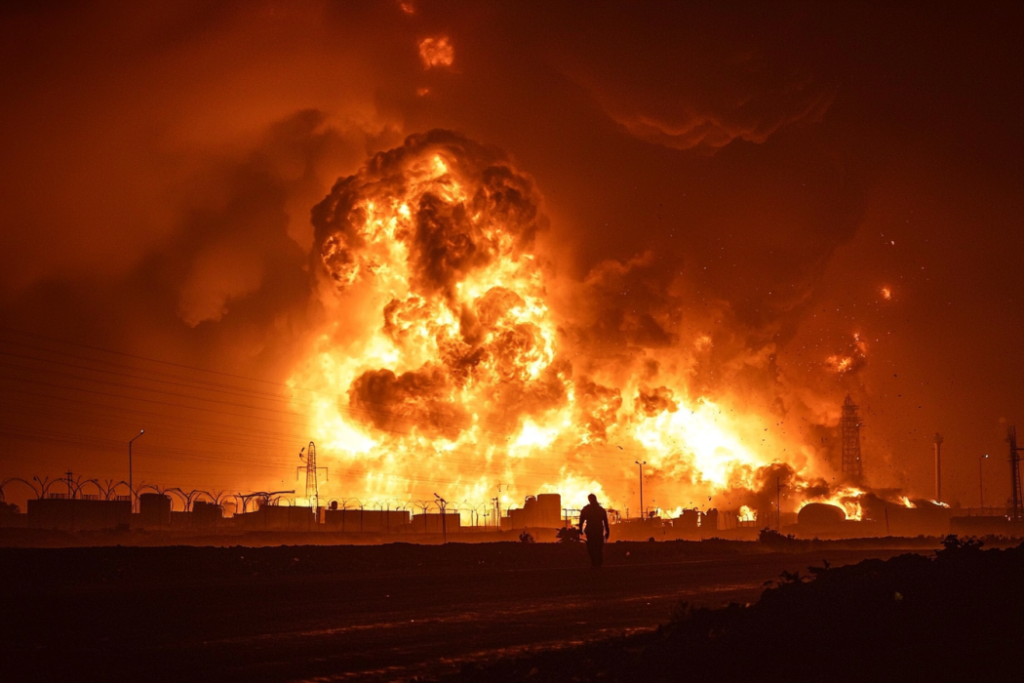
The recent spate of hostilities has been marked by an exchange of fire that has raised eyebrows internationally. The Israel Defense Forces (IDF) reported several incidents of missiles being launched from Lebanese territory, with some intercepted by Israel’s sophisticated Iron Dome defense system. These events have escalated despite international mediation efforts aimed at maintaining peace in the region.
Strategic Interests and Regional Alliances
Israel’s concerns are multifaceted. On one hand, there is the immediate threat posed by Hezbollah’s missile capabilities. On the other, there’s the broader regional landscape that significantly influences Israel’s strategic calculations.
Main Points:
- Hezbollah’s alignment with Iran provides it with substantial support, both militarily and financially.
- The delicate balance with neighboring Syria also influences Israel’s security dynamics. Any conflict involving Hezbollah could easily spill over into Syrian territory.
- The involvement of other militant groups such as Hamas further complicates the scenario, adding additional layers of risk.
Geopolitical Ramifications: What Lies Ahead?
The current tensions have set the stage for a precarious future. Both sides are acutely aware of the potential for a larger conflict, which can be catastrophic for the region. International observers are closely monitoring the situation, wary of actions that could serve as a catalyst for further escalation.
Potential Scenarios
Given the complexity of the situation, several scenarios could unfold:
Scenario A: Diplomatic Resolution
An optimistic scenario involves intensified international diplomatic efforts leading to a de-escalation. This would involve negotiations facilitated by major powers and regional stakeholders, aiming to establish a framework for peace and stability. **This scenario places a heavy emphasis on multilateral dialogue and confidence-building measures**.
Scenario B: Limited Conflict
A more likely scenario involves a limited outbreak of hostilities confined to border regions. Both sides might refrain from full-scale war but engage in skirmishes and targeted strikes. **While this scenario could prevent massive casualties, it risks prolonging instability and underlying tensions**.
Scenario C: Full-scale War
The most alarming scenario involves an all-out conflict, affecting not just Israel and Lebanon but potentially engulfing other nations in the region. **This would have devastating humanitarian consequences and could destabilize the broader Middle East**.
Economic and Humanitarian Implications
The economic ramifications of continued hostilities are also significant. Both countries have already allocated substantial resources to defense, and an escalation could cripple economies still recovering from the impacts of the COVID-19 pandemic.
Key Concerns:
- Resource diversion from essential services to military spending could impact healthcare, education, and infrastructure.
- Humanitarian crises could worsen, with increased displacement of civilians and a strain on international aid agencies.
- The global economic market might also feel the ripple effects, particularly in energy prices due to the region’s importance in oil production.
Historical Context: A Cycle of Violence
Understanding the historical context is crucial for comprehending the current situation. The Israel-Lebanon border has been a flashpoint for decades, dating back to the formation of the Israeli state in 1948. Multiple wars, skirmishes, and an uneasy peace have marked the history between these two nations.
Notable Conflicts:
- The 1982 Lebanon War: A full-scale invasion by Israel aiming to oust the Palestine Liberation Organization (PLO) from Lebanon.
- The 2006 Lebanon War: Initiated by Hezbollah’s abduction of Israeli soldiers, resulting in intense conflict that saw massive casualties and destruction.
Conclusions and Future Outlooks
The Israeli tensions in Lebanon remain one of the critical issues in global geopolitics today. **The interplay of military capabilities, regional alliances, and the potential for diplomatic interventions will shape the future of this volatile situation**. Observers and stakeholders must stay vigilant, understanding that the ripple effects of any conflict here would extend far beyond the Middle East, impacting global stability and security.
The need for comprehensive dialogue and strategic patience cannot be overstated in these perilous times. As the world watches with bated breath, it remains to be seen if cooler heads will prevail, leading to a sustainable resolution, or if the region is doomed to repeat the cycles of violence and suffering it has experienced in the past.