 Vanda Svobodova
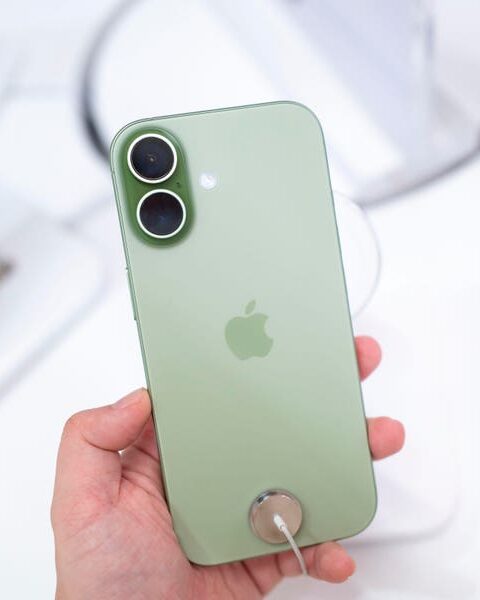
In a twist that has caught the attention of tech enthusiasts and consumers alike, Apple is shaking up the expectations for its upcoming iPhone 18 launch with a notable alteration in its model lineup. According to recent reports, the Cupertino giant is set to eliminate a model from its usual roster, marking a significant departure from the patterns established in recent years.
Streamlining the iPhone Lineup
The buzz surrounding Apple’s latest iPhone release has taken an unexpected turn as rumors suggest that the tech company will be discontinuing the mini model from its iPhone 18 lineup. This decision, if confirmed, would signify Apple’s attempt to streamline its range of devices, potentially responding to shifting consumer preferences.
The iPhone Mini, introduced as part of the iPhone 12 series, was initially aimed at appealing to users seeking a compact smartphone without compromising on powerful performance. However, sales figures indicate that the smaller device has failed to find a substantial market in comparison to its larger siblings. This underwhelming performance might be the catalyst behind Apple’s decision to trim its offerings.
The Rationale Behind Apple’s Decision
The logic driving this reported move could be multifold. Analysts speculate that Apple is focusing on maximizing profitability by dedicating resources to models that yield higher demand. Larger iPhones have consistently outsold their mini versions, proving more popular due to their expansive screens and enhanced battery life, key features that today’s consumers prioritize.
Moreover, with global smartphone markets seeing a trend towards larger screens, it seems Apple’s strategy could be aligning more closely with these preferences. As consumers increasingly consume content and perform tasks that benefit from larger displays, it appears logical for Apple to enhance its presence in this market space with an optimized product lineup.
Market Implications
The potential discontinuation of the mini model highlights Apple’s adaptability in an increasingly competitive smartphone industry. Focusing development efforts on more popular models could allow Apple to not only fine-tune its supply chain but also innovate with new features and technology integrated seamlessly across fewer models. This shift might also open opportunities for Apple to introduce new innovations to its flagship models, enhancing its market share and brand loyalty.
Consumer Reactions and Future Prospects
While some consumers may lament the possible disappearance of the mini model, the changes may ultimately benefit Apple enthusiasts seeking cutting-edge technology in their everyday devices. By concentrating its efforts, Apple may accelerate advancements in areas like battery technology, camera capabilities, and overall processing power across its flagship models.
For the broader market, Apple’s decision could set a precedent for other smartphone manufacturers, influencing them to evaluate their product portfolios and streamline offerings according to consumer demand. The possible exclusion of the mini model is emblematic of larger industry trends where tech companies are increasingly tailoring their product lines to suit prevailing market dynamics and consumer behaviors.
In the grand scheme, the restructuring of the iPhone lineup stands as a testament to Apple’s adaptive strategy in an ever-evolving digital landscape. Such a move not only underscores Apple’s pursuit of innovation but also its commitment to staying ahead in a fiercely competitive market.
As the official announcement nears, the anticipation surrounding the iPhone 18 has now been punctuated by a sense of intrigue. Whether Apple’s reported strategy will pay off remains to be seen, but one thing is certain: the tech giant continues to pave its own path, steering industry trends and setting new benchmarks for smartphone excellence.
, image: https://9to5mac.com/2025/08/18/apples-iphone-18-launch-will-drop-a-surprising-model-per-report/