 Vanda Svobodova
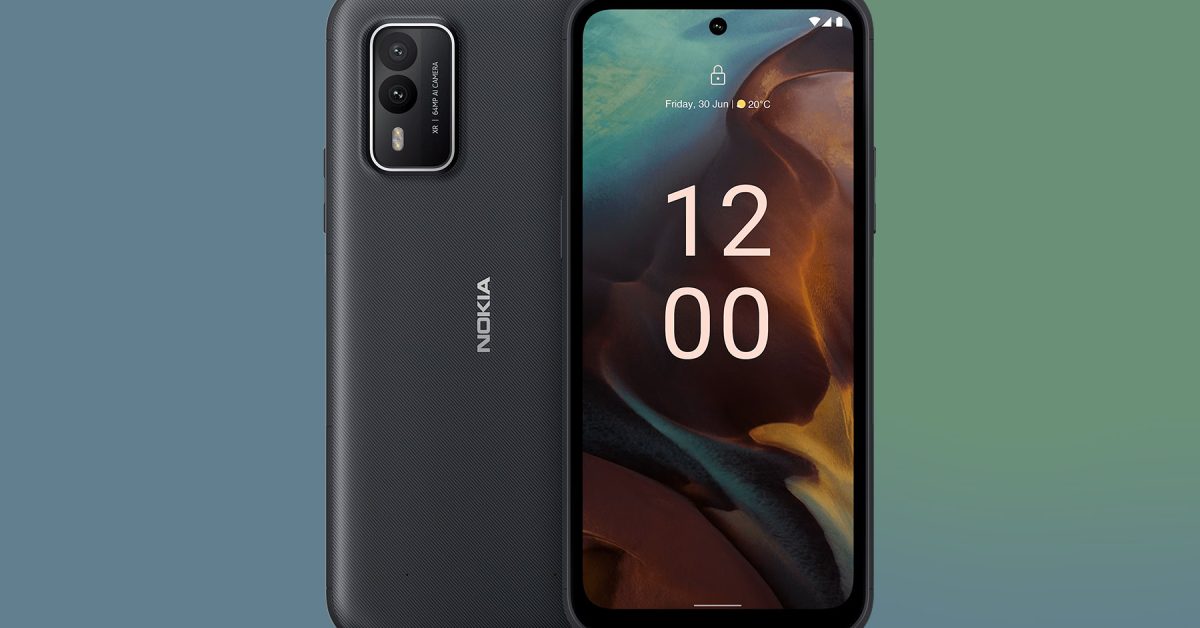
Nokia, once a formidable force in the mobile phone industry, has made the decision to exit the U.S. smartphone market. This move comes amidst a rapidly changing landscape in global telecommunications, where competition has intensified and market dynamics have shifted. For U.S. consumers who have remained loyal to the brand or were considering Nokia for their mobile needs, this development leaves several questions and concerns about the future.
The Decline of a Mobile Giant
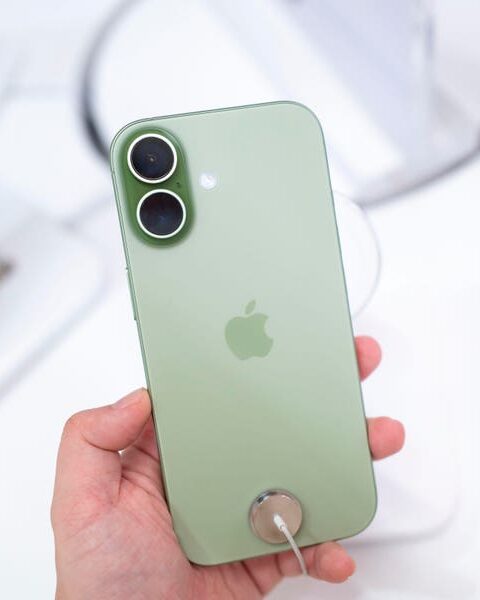
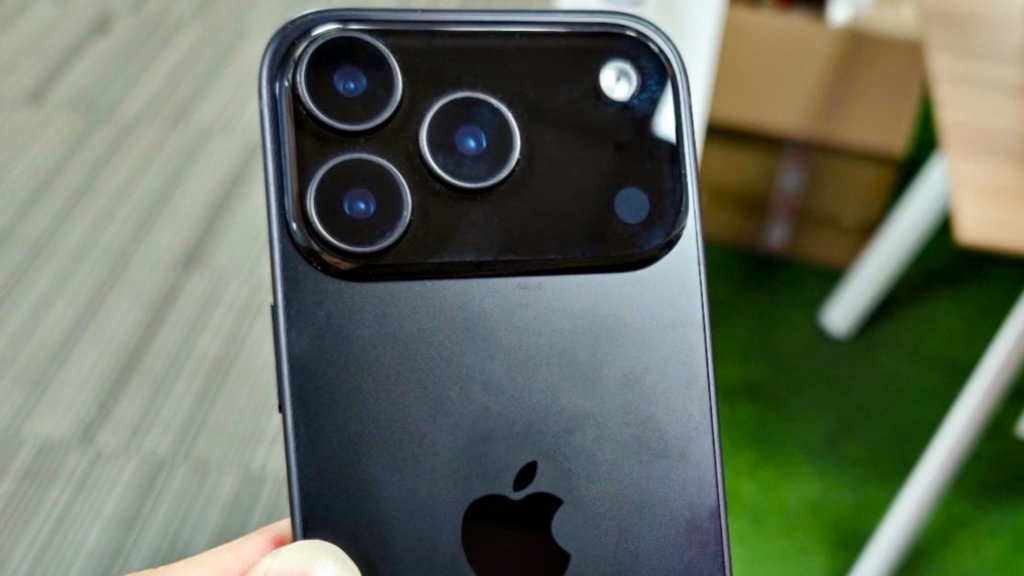
Nokia’s departure from the U.S. market signals the end of an era for a brand that was at the forefront of mobile technology. During the early 2000s, Nokia was synonymous with innovation and reliability, often considered a pioneer in the mobile arena with its robust and user-friendly devices. However, as the smartphone industry evolved, Nokia struggled to keep pace with tech giants such as Apple and Samsung, whose innovations and aggressive market strategies captured consumer attention.
Over the years, Nokia attempted to regain its footing through strategic partnerships and new product lines, but these efforts proved insufficient in the face of a rapidly advancing technological world. The decision to withdraw from the U.S. market is a pragmatic step for Nokia as it refocuses its efforts towards more favorable markets and segments that promise better growth potential.
Implications for U.S. Consumers
The exit of Nokia from the U.S. market impacts consumers in several ways. Those who currently use Nokia devices may face challenges with support and service. While Nokia has assured that existing customers will continue to receive support for their phones, the extent and duration of this support remain uncertain. Additionally, new software updates and features may become limited, which could affect the functionality and security of these devices over time.
For potential buyers, this decision reduces the diversity of options in the U.S. smartphone market. Nokia’s range of phones often appealed to consumers seeking affordability without sacrificing quality, positioning itself as a viable alternative to pricier models from other leading brands.
The Global Strategy Shift
Nokia’s exit from the U.S. aligns with its broader strategy to optimize resources and strengthen its position in other international markets where it still has significant influence and potential for growth. By concentrating on areas where competition is less intense, Nokia aims to leverage its remaining strengths and explore new opportunities that align with its core competencies.
Competitive Landscape and Market Trends
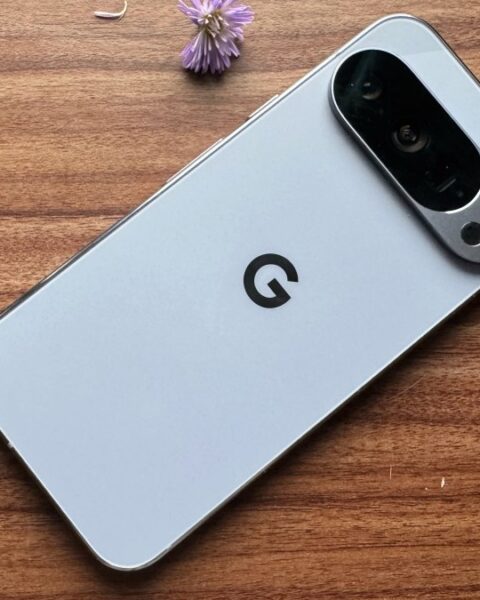
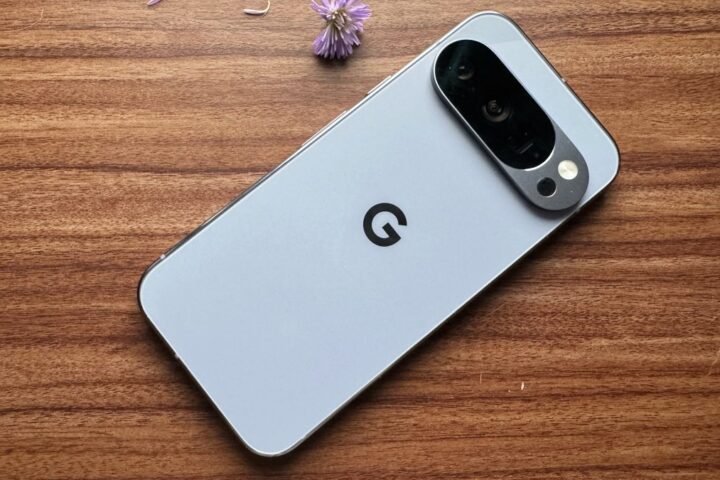
The smartphone market has become increasingly competitive, with established companies and emerging players jostling for greater market share. In the U.S., Apple and Samsung dominate the landscape, with their wide-ranging ecosystems and continuous innovation cycles setting a high bar for competitors. New entrants like Google with its Pixel series have also added pressure to brands like Nokia, further complicating the competitive scenario.
Consumer preferences have evolved, with an increasing emphasis on advanced features such as 5G connectivity, artificial intelligence capabilities, and seamless integration with smart devices. Nokia’s offerings, while reliable, struggled to match the pace of these innovations, leading to diminished consumer interest.
Looking to the Future
As Nokia steps back from the U.S. market, it opens the door for other brands to fill the void. Companies offering similar cost-effective alternatives may seek to capture the segment of consumers looking for balance between price and performance. Meanwhile, tech analysts will be closely watching how Nokia adapts its strategy and whether its renewed focus on emerging markets will yield positive results.
For the U.S. smartphone consumer, the exit of Nokia may serve as a reminder of the ever-changing tech landscape, where resilience and adaptability are key to survival and success. As the market continues to evolve, consumers can expect new trends, innovations, and brands to shape how they interact with the mobile technology of tomorrow.
, image: https://www.droid-life.com/2025/07/11/nokia-phones-exit-us-market/