 Vanda Svobodova
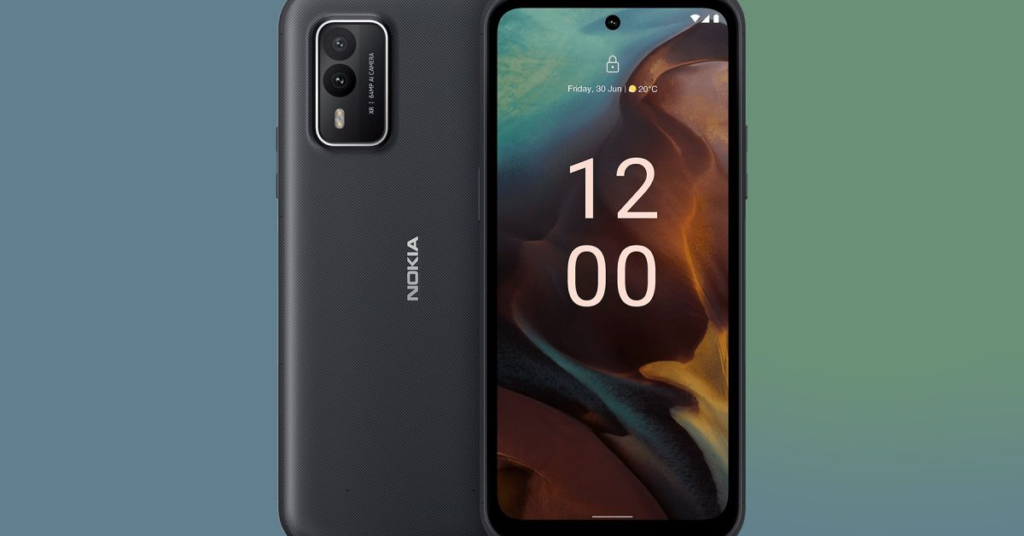
Nokia, a brand synonymous with durable cellphones and a major player in the global telecommunications landscape, finds itself at a crucial juncture in the U.S. market. Recent tariffs imposed by the Trump administration have created a challenging environment for Nokia and its licensee HMD Global, which now faces a more complex landscape as it navigates the intricacies of international trade amid heightened economic nationalism.
Impact of Tariffs on Nokia’s Strategy
The series of tariffs implemented has adversely affected companies like Nokia, which are heavily reliant on global supply chains. These tariffs, primarily targeting Chinese goods, have had a ripple effect across the industry. For Nokia, the implications of these tariffs result in increased costs for components since a significant portion of its manufacturing processes involves facilities in China. Consequently, Nokia must reassess its pricing strategies and supply chain operations to remain competitive in the cost-sensitive U.S. cellphone market.
HMD Global, the manufacturer and marketer of Nokia-branded phones, faces significant challenges in adjusting to these tariffs. With the U.S. market being a critical arena for growth, HMD may need to consider alternative manufacturing locations outside of China or absorb the additional costs, both of which present substantial hurdles. Such strategic adjustments could impact Nokia’s profit margins and market positioning in North America.
The U.S. Market Landscape
The United States has always been a competitive market for mobile phone manufacturers, dominated by major players such as Apple and Samsung. Nokia’s resurgence under HMD Global’s guidance has been noteworthy, aiming to capitalize on its reputation for durability and reliability. However, the introduction of tariffs has complicated Nokia’s efforts to expand its foothold in the country.
Adapting to the changing market requires not only a reassessment of production but also a reevaluation of Nokia’s entry and growth strategies in the U.S. With new models designed to capture the budget-conscious consumer, HMD Global aims to distinguish its offerings in a crowded market. Yet, the addition of tariffs raises the cost for consumers, potentially hindering market penetration and diminishing Nokia’s ability to effectively compete with better-established brands.
Navigating Supply Chain Challenges
Supply chain realignment presents another significant challenge as companies scramble to mitigate the impact of tariffs. For Nokia and HMD Global, this means exploring alternatives beyond China, which is a complex endeavor given the scale and integration of existing operations. Establishing new manufacturing bases or forging partnerships in other regions could offer solutions but will require time and investment.
Moreover, the logistical complexities of shifting supply chains might result in temporary disruptions. Companies must weigh the benefits of diversifying their supply chain against the risks of potential delays and increased operational costs. Nokia’s ability to manage this transition effectively could dictate its success in mitigating the adverse effects of tariffs.
Consumer Implications and Market Outlook
The ripple effect of tariffs extends to consumers, who may experience increased prices on Nokia devices as costs are passed down. With a significant portion of U.S. consumers relying on affordable smartphone options, pricing shifts influenced by tariffs could influence purchasing decisions. Nokia’s attempts to offer competitive prices could be compromised, affecting its ability to capture a larger share of the U.S. market.
The broader implications for the market include potential shifts in consumer loyalty as buyers weigh the benefits of brand value against cost. Nokia’s reputation for quality may still attract a loyal customer base, but maintaining momentum in sales amidst economic fluctuations presents a formidable challenge.
Looking ahead, Nokia’s response to the tariffs will necessitate strategic agility, including potential partnerships, innovation in product offerings, and perhaps a stronger focus on digital marketing to reinforce brand loyalty. By adapting its strategy to account for these new economic realities, Nokia aims to secure its place in the competitive landscape of U.S. telecommunications.
As Nokia adapts to these constraints, the company’s ability to sustain growth will depend on how effectively it can balance quality, cost, and market positioning. While Nokia has a history of resilience and adaptability, the current scenario tests its strategic capabilities more than ever. The coming months will be telling of whether Nokia can not only withstand this storm of trade tensions but turn it into an opportunity for reinvention and growth. It remains to be seen how Nokia and HMD Global will adjust their sails in these turbulent economic waters to continue charting a course towards success in the U.S. market.
, image: https://qz.com/trump-tariffs-nokia-hmd