 Vanda Svobodova
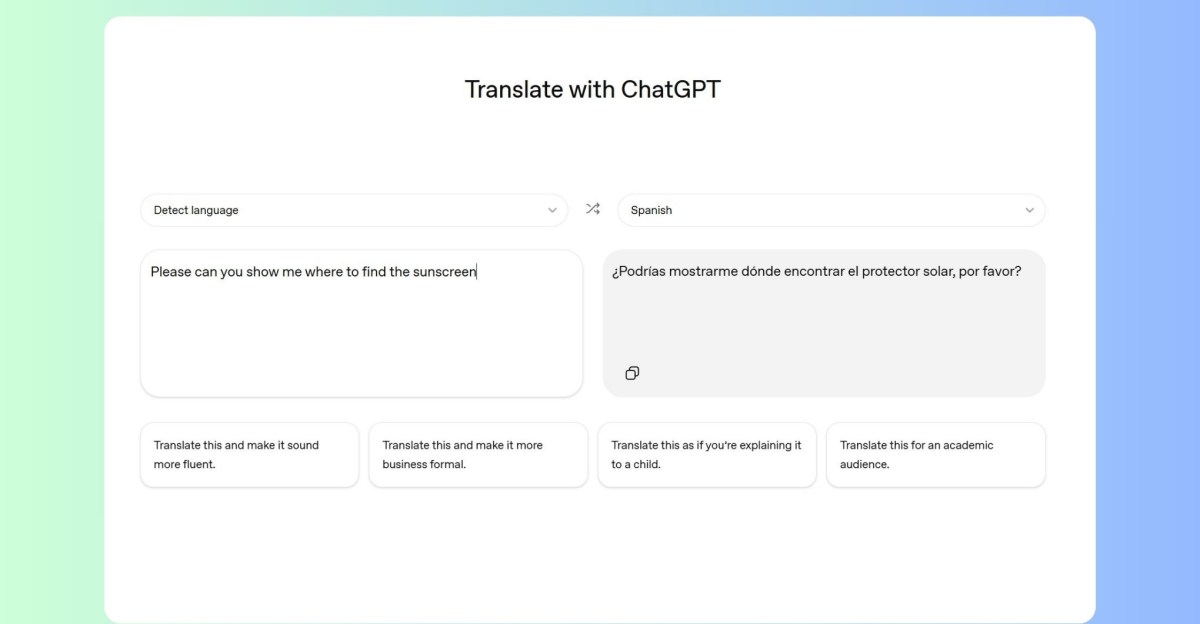
In a significant move that throws down the gauntlet to established language translation tools, OpenAI’s ChatGPT is making strides in the realm of linguistic conversion. The new translation capabilities integrate seamlessly into ChatGPT’s existing features, signaling its evolution from a versatile AI assistant into a formidable competitor in the language services market long dominated by tools like Google Translate.
The Technological Leap
OpenAI has long prided itself on pushing the boundaries of artificial intelligence, and this latest development further solidifies its position in the tech landscape. The incorporation of translation abilities into ChatGPT isn’t just a supplementary feature; it represents a robust enhancement that could reshape how users engage with AI for multilingual communication. By leveraging vast datasets and sophisticated algorithms, the AI-driven tool aims to provide translations that are not only fast but also contextually smarter and more reliable than traditional options.
With a focus on context and semantic understanding, ChatGPT promises a more human-like translation experience. This advancement highlights OpenAI’s commitment to refining AI models that grasp the nuances and subtleties of language, ensuring more accurate translations where meaning isn’t lost across linguistic barriers.
Implications for Users and Industries
The introduction of ChatGPT’s new translation feature stands to impact a broad spectrum of users, from casual language learners to multinational corporations. For individuals, this enhancement means accessing a more comprehensive tool that can handle everything from simple conversational exchanges to complex documents requiring precise linguistic attention. Furthermore, industries that rely heavily on language translation services, including tourism, customer service, and international business negotiations, could benefit from the sophisticated adaptations that ChatGPT offers. By facilitating smoother and more accurate language interactions, businesses are poised to streamline their operations and enhance global communication strategies.
Enhanced Features and User Experience
OpenAI’s strides in translation technology go beyond conventional word-for-word swaps, aiming instead to deliver translations that maintain the original message’s integrity and emotional tone. This is achieved through complex machine learning techniques, which allow ChatGPT to interpret context in a way rival tools may not. Moreover, the user interface is designed to be intuitive, catering to both tech-savvy users and those unfamiliar with AI technologies, reducing the learning curve and broadening accessibility.
Strategic Edge Over Competitors
While Google Translate has been a trailblazer in this domain for years, ChatGPT’s entry marks a pivotal shift in the landscape. OpenAI’s model boasts of superior contextual understanding, which could potentially outmatch Google’s statistical-based translations. As more consumers and businesses recognize the advantages of semantic AI translation, the demand for context-aware translation tools is likely to surge, challenging the dominance of longstanding players.
Future Prospects and Challenges
As OpenAI continues to refine and expand its capabilities, the prospect of ChatGPT setting new standards in AI-based translations is becoming increasingly likely. However, the path forward isn’t without its hurdles. The field of AI and linguistic translations is rife with complexities, from handling idiomatic expressions to dealing with cultural nuances and accents. OpenAI must navigate these intricacies and ensure that its tool can manage diverse languages and dialects while maintaining high accuracy and user satisfaction.
There are also ongoing concerns about privacy and data security, particularly as AI systems require access to large datasets to improve learning. OpenAI needs to establish robust safeguards to protect user information and maintain trustworthiness in an environment where data breaches are a notable risk.
Nonetheless, the leap made by OpenAI with ChatGPT underscores a growing shift towards integrating AI across more aspects of daily technology use, potentially transforming how we communicate across language barriers. Whether it will surpass Google’s offering remains to be seen, but it undeniably sets a promising precedent for the future of multilingual AI tools.
, image: https://www.theverge.com/news/862448/openai-chatgpt-translate-tool-launch-website