 Vanda Svobodova
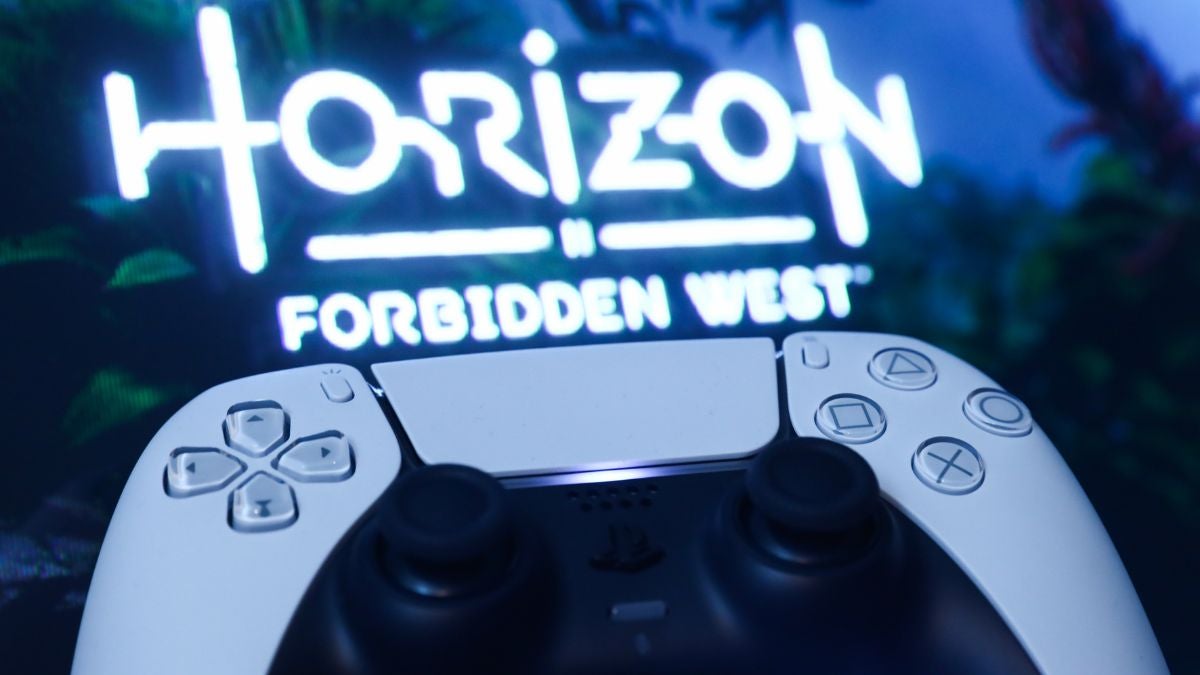
In a significant move within the gaming industry, Sony’s PlayStation has taken legal action against the Chinese tech giant Tencent over allegations of intellectual property infringement. The lawsuit centers around Tencent’s recently released game, which Sony claims is a direct clone of its critically acclaimed PlayStation-exclusive series, Horizon. This legal battle underscores ongoing tensions in the gaming world over the protection of creativity and branding.
A Clash Over Creativity and Innovation
The lawsuit, filed in a U.S. district court, accuses Tencent of copying elements from Sony’s Horizon franchise, including gameplay mechanics, distinctive features, and even graphical assets. Sony argues that Tencent’s new game, titled “Light of Motiram,” mimics the look and feel of its Horizon games to a significant degree, potentially misleading consumers and infringing on Sony’s established intellectual rights.
Intellectual property disputes are not new in the gaming industry, but this case involves two of the world’s most influential technology and gaming companies, making it particularly noteworthy. The lawsuit aims to not only protect Sony’s creative endeavors but also to set a precedent in the rapidly evolving digital entertainment landscape.
Tencent’s Rise in the Gaming World
Tencent, known for its expansive influence in the gaming sector, has been aggressively expanding its portfolio to include a myriad of games across different genres and platforms. The company’s growth strategy has often involved investments and collaborations with other gaming firms, but the allegations from Sony suggest a more direct form of competition through replication.
Industry analysts see this lawsuit as a reflection of the competitive pressures within the tech world. Tencent’s ambitions are not unique; companies worldwide strive to gain an edge in an industry where cutting-edge technology and immersive narratives define success.
Key Aspects of the Legal Battle
- Intellectual Property Rights: Sony’s lawsuit emphasizes the need to safeguard creative assets in an industry heavily reliant on unique storytelling and character development.
- Branding Conflicts: By allegedly replicating Horizon’s branding, Sony argues that Tencent is misleading consumers, potentially affecting the brand’s market position.
- Market Dynamics: The outcome of this lawsuit could influence global market strategies, as companies navigate the balance between inspiration and imitation.
Implications for the Gaming Industry
The ramifications of this lawsuit extend beyond the immediate parties involved. Should Sony prevail, this could lead to tighter scrutiny over new game releases and adjustments in how companies approach game development. Conversely, a ruling in favor of Tencent might embolden other companies to take similar inspirations without fear of legal repercussions.
This case also highlights the thin line between inspiration and imitation, prompting discussions on what constitutes a permissible borrowing of ideas versus outright copying. The industry could see a shift towards more robust protections and clearer guidelines on intellectual property, potentially impacting future partnerships and developments.
As the legal proceedings unfold, both Sony and Tencent have much at stake, not just financially but also in terms of their reputations in the global marketplace. This situation will likely be closely watched by other industry players and legal experts, acutely aware of its potential to reshape parts of the gaming landscape.
In the end, the resolution of this dispute will provide crucial insights into the balancing act of fostering creativity while respecting intellectual property laws, setting the stage for the next chapter in the gaming industry’s evolution. For now, the world watches as these tech titans clash over the boundaries of innovation and imitation., image: https://www.thewrap.com/sony-playstation-sues-tencent-horizon-clone-light-of-motiram/