 Kristina Vankova
Russian Dictator’s Stark Warning
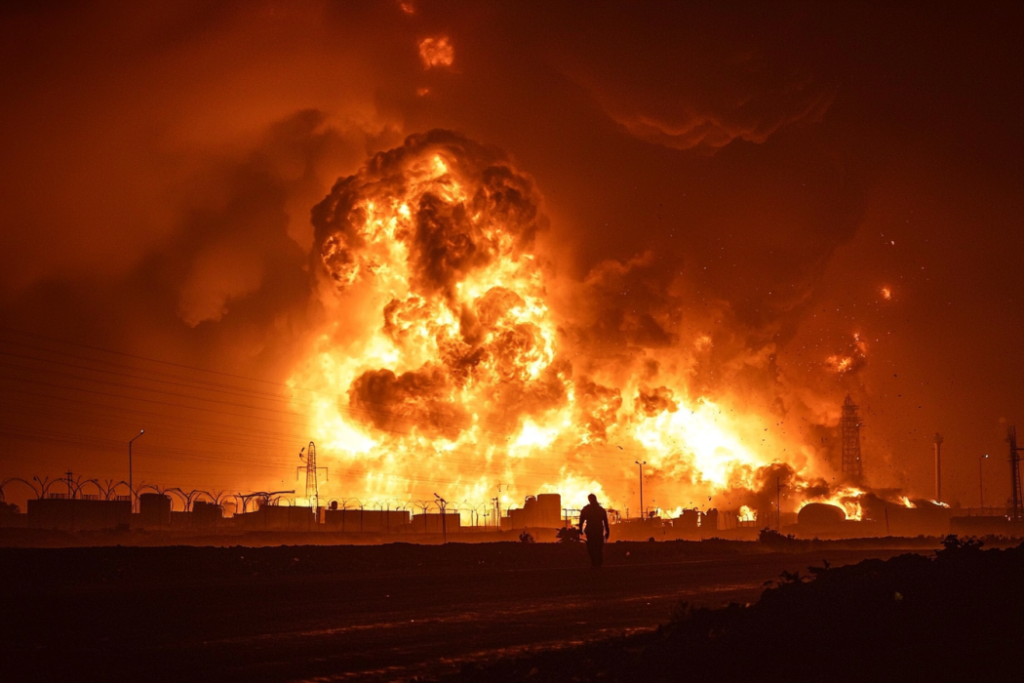
In a dramatic escalation of geopolitical tensions, Russian Dictator Vladimir Putin has once again issued a stern warning to the West, threatening the use of nuclear weapons. This latest development adds fuel to an already volatile international situation, characterized by mounting military build-ups and strained diplomatic relations.
Historic Significance
Vladimir Putin’s remarks mark yet another chapter in a long history of Cold-War era-like rhetoric, reminiscent of the heightened tensions between nuclear-armed superpowers. The implications of such threats are profound, posing significant risks not only to global security but also to the intricate balance of international relations.

Details of the Threat
In a speech broadcasted to millions, Putin specifically addressed what he termed as “unacceptable” activities by Western nations. He cited recent NATO maneuvers and military advancements as direct provocations, warning that Russia reserves the right to take any action necessary, including the deployment of nuclear arms, to safeguard its national integrity.
Reacting to NATO’s Movements
NATO’s recent military exercises near Russian borders have been a point of contention. The alliance describes these activities as routine and defensive in nature. However, Moscow perceives them as aggressive encroachments and an existential threat. “The West must understand that Russia will not be cowed. We will respond to any threat against our sovereignty with the utmost seriousness,” Putin stated.
International Reactions
These latest threats have elicited responses from political leaders and analysts worldwide. The international community is split, with some advocating for a hardline stance against Russia while others call for renewed diplomatic efforts to defuse the situation.
Western Leaders Condemn the Threat
Western leaders have responded firmly. US officials condemned the remarks as reckless and dangerous. “Such rhetoric only exacerbates the situation and undermines the fragile peace we have strived for,” stated a senior White House official.
British Prime Minister also took a critical stance, asserting that “Threatening global security with the specter of nuclear war is not only irresponsible but utterly unacceptable.”
Calls for Dialogue and Diplomacy
Conversely, some international figures are advocating for a renewed emphasis on dialogue. German Chancellor Angela Merkel emphasized the need for “calm and measured diplomacy,” urging both sides to come to the negotiation table before the situation spirals out of control.
Expert Opinions
Security experts and political analysts are weighing in on the ramifications of Putin’s threats. Many agree that while the risk of an actual nuclear conflict remains low, the rhetoric is highly damaging and escalates the risk of miscalculations and accidents.
Nuclear Strategy and Deterrence
Experts highlight that nuclear strategy often relies on the concept of deterrence—preventing adversaries from taking aggressive actions by presenting a credible threat of overwhelming retaliation. Putin’s statements can be seen as an assertion of this doctrine. However, this approach carries significant risks.
“The danger lies in the possibility of misunderstandings and misjudgments,” said Dr. Ivan Kozlov, a prominent Russian political analyst. “Such statements elevate the risk of an unintended conflict that could have catastrophic consequences.”
The Role of Communication Channels
Open lines of communication between the involved nations are crucial. Analysts argue that more robust and direct communication channels could help in de-escalating tensions. “In times of crisis, it is essential to have mechanisms for dialogue, avoiding the pitfalls of unilateral actions and misinterpretations,” emphasized Dr. Emily Harris, a professor of international relations.
Possible Scenarios
The unfolding situation presents multiple possible scenarios, ranging from escalated confrontations to eventual de-escalation through diplomacy. Each pathway carries its unique set of implications.
Escalation and Military Confrontation
If the rhetoric continues to heat up without any diplomatic intervention, there is a risk of localized military skirmishes, particularly in contested areas like Eastern Europe. Such conflicts, though limited in scope, could draw in larger powers and lead to widespread destabilization.
Diplomatic Resolution
On the other hand, a concerted effort for diplomatic engagement could pave the way for de-escalation and reduced tension. Historical precedents show that even during the Cold War, dialogue and treaties such as the Strategic Arms Limitation Talks (SALT) were instrumental in maintaining peace.
Conclusion
The current geopolitical climate, underscored by Putin’s recent nuclear threats, underscores the fragile nature of global peace and stability. The international community faces a pivotal moment where the choices made by leaders could either mitigate or exacerbate the looming threat of conflict.
The world watches closely as the intricate dance of diplomacy, strategy, and power unfolds. The coming weeks and months will be crucial in determining the direction in which these tensions evolve, with the hope that rational discourse prevails over aggressive posturing.