 Kristina Vankova
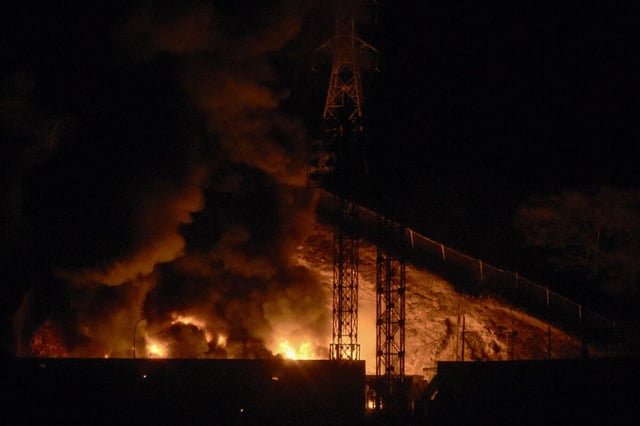
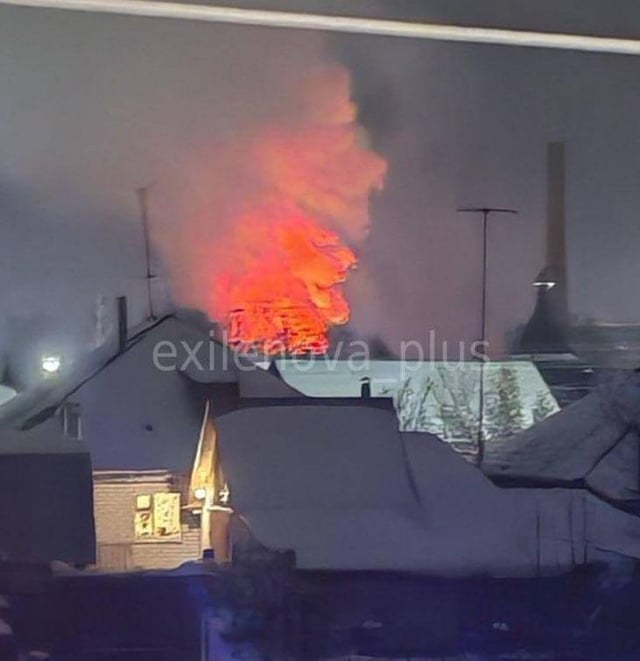
A blazing fire engulfed a Russian missile parts manufacturing facility shortly after a drone incident near the Ukraine-Russia border, sparking widespread concern amidst escalating regional tensions. The inferno erupted during a period of increasing drone encounters across the border, underscoring the precarious nature of military activities in the region.
Details Emerge on Industrial Blaze
The fire, which consumed significant parts of the factory, is reported to have started just after a drone was spotted in the vicinity. Although Russian authorities have not confirmed a direct link between the drone and the fire, the timing has raised speculations. Local emergency services were promptly dispatched to the scene, battling the flames that threatened to disrupt production at the strategic facility.
According to eyewitnesses, the fire spread rapidly across the plant, casting thick plumes of smoke into the sky. The factory, which plays a pivotal role in producing missile components, is considered a critical asset within Russia’s defense manufacturing sector. The damage to the site could potentially hamper ongoing military operations and exports.
Potential Implications for Russia’s Defense Strategy
This incident comes at a crucial time for Russia’s defense industry, already strained by international sanctions and geopolitical pressures. The factory’s interruption could create bottlenecks in supply chains, affecting both domestic and international defense commitments. Analysts suggest that this may lead to a ripple effect, impacting production timelines for various defense apparatus.
Given the strategic importance of the plant, the Russian government might face increased pressure to secure similar facilities from further disruptions. Enhanced security measures and technological defenses could be anticipated as the Kremlin seeks to safeguard its defense interests. This incident underscores the vulnerabilities that industrial infrastructures face in conflict-prone zones.
International Reactions and Speculations
The timing and nature of the incident have garnered international attention, with experts contemplating the broader implications for regional stability. Some western defense analysts have speculated the possibility of intentional sabotage given the geopolitical tensions involving Russia. However, no substantial evidence supporting these claims has emerged from official channels.
The situation continues to unfold with diplomatic stakeholders closely monitoring developments. The potential for retaliatory measures or escalation in cross-border incidents remains a subject of concern among international observers. However, Russian officials have urged against jumping to conclusions, emphasizing the importance of a thorough investigation before assigning blame.
As the investigation proceeds, attention remains fixed on the broader context of drone usage in conflict zones, highlighting a growing trend that complicates traditional defense strategies. The role of unmanned aerial vehicles in modern warfare continues to evolve, raising questions about how states can effectively adapt to these emerging threats.
The fire at the missile parts factory signifies a stark reminder of the delicate balance within international relations, where industrial sites can become inadvertent flashpoints in broader geopolitical disputes. While the full impact of this incident remains to be seen, its implications resonate well beyond the immediate geographic confines, reinforcing the persistent challenges in maintaining global security and stability.