 Kristina Vankova
As the conflict in Ukraine continues to draw global attention, Russia’s evolving strategic tactics have come under intense scrutiny. President Vladimir Putin’s ambition to exert influence over the region has driven a series of calculated military and political maneuvers aimed at consolidating power and reshaping the geopolitical landscape. The intricate dynamics of this conflict reveal a complex interplay of historical grievances, economic interests, and military strategies.
Historical Context and Geopolitical Ambitions
The roots of the current conflict trace back to deep-seated historical tensions between Russia and Ukraine. The dissolution of the Soviet Union in 1991 disintegrated longstanding political and economic bonds, leading to a landscape of uncertainty and strategic recalibration. For Putin, maintaining influence over former Soviet territories remains a core objective, aligned with his vision of restoring Russia’s global stature.
Ukraine’s aspiration to integrate with the European Union and NATO threatens to shift the regional power balance, directly challenging Moscow’s sphere of influence. This geopolitical tug-of-war is not merely a bilateral issue but one with broad ramifications for global alliances and the international order.
Military Strategies and Tactics
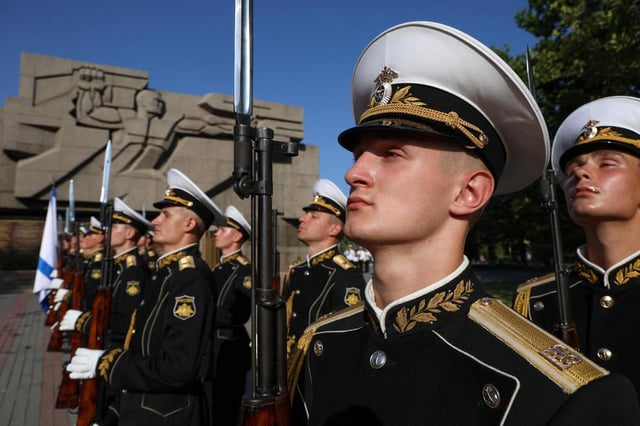
Russia’s military engagement in Ukraine has been marked by a combination of conventional warfare and hybrid tactics. The annexation of Crimea in 2014 served as a pivotal moment, demonstrating Russia’s willingness to use military force to achieve strategic objectives. This move, met with widespread international condemnation, set the stage for an ongoing military confrontation in eastern Ukraine.
Moscow’s support for separatist forces in the Donbas region underscores its strategy of using proxy warfare to destabilize the Ukrainian government and undermine its territorial integrity. In addition to conventional military presence, cyber warfare, disinformation campaigns, and economic pressure have been instrumental in Russia’s approach to the conflict.
Cyber and Information Warfare
Alongside physical military confrontations, Russia has actively engaged in cyber warfare, targeting critical infrastructure and governmental networks within Ukraine. These cyberattacks aim to disrupt operations, gather intelligence, and demoralize the populace. The strategic use of misinformation and propaganda further amplifies the impact of Russia’s military operations, contributing to a complex landscape of hybrid warfare.
International Reactions and Diplomatic Efforts
The international response to the Ukraine conflict has seen a blend of condemnation, diplomatic negotiations, and economic sanctions. Western nations, led by the United States and the European Union, have imposed a series of sanctions targeting key sectors of the Russian economy. These measures aim to pressure Moscow into de-escalating tensions and respecting Ukraine’s sovereignty.
Despite these efforts, diplomatic negotiations have faced significant hurdles, with multiple ceasefire agreements failing to attain lasting peace. The Minsk agreements, brokered under the auspices of the Organization for Security and Co-operation in Europe (OSCE), have yet to be fully implemented, highlighting the challenges of achieving a diplomatic resolution.
Economic Repercussions
Sanctions have placed considerable strain on the Russian economy, impacting industries ranging from energy to finance. However, Moscow has adapted by shifting trade alliances and seeking closer economic ties with countries outside the Western sphere, such as China. These adaptations illustrate Russia’s strategic resilience in navigating economic pressures while maintaining its geopolitical ambitions.
As the Ukraine conflict continues to evolve, the interplay of military tactics, diplomatic actions, and economic implications underscores its complexity. Russia’s strategic maneuvers, underscored by an unwavering desire to exert influence, highlight the multifaceted nature of modern geopolitical conflicts. The resolution of this crisis remains uncertain, with the potential for significant implications for regional stability and international relations.