 Vanda Svobodova
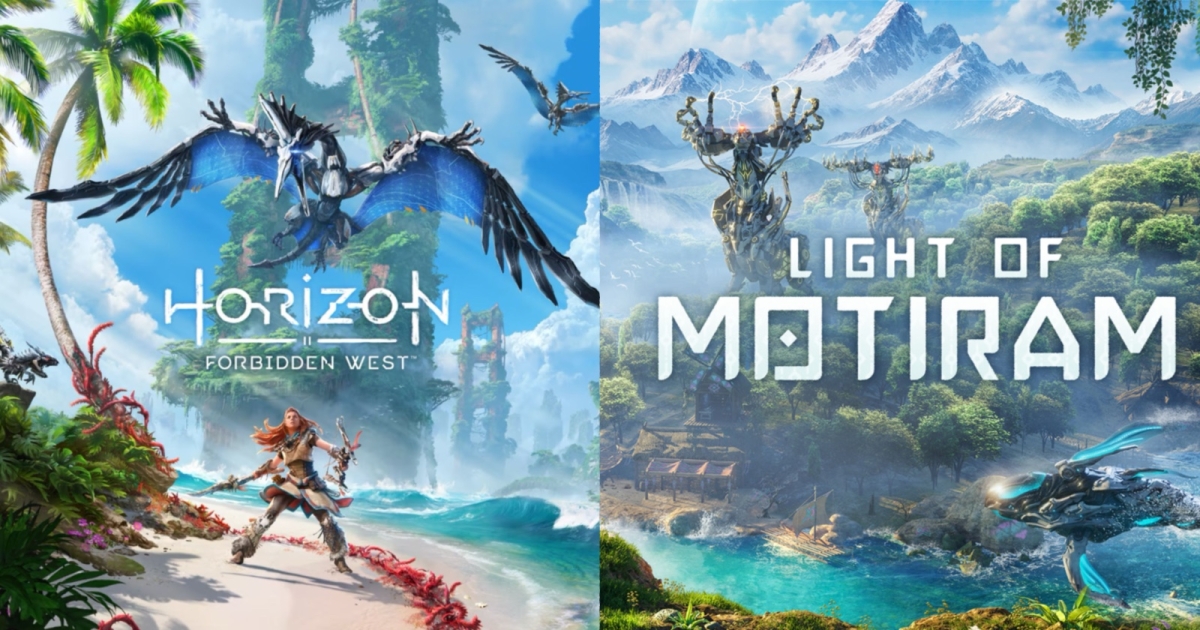
In a notable legal showdown within the gaming industry, Chinese tech giant Tencent has faced a setback in its confrontation with Sony over alleged game imitation. The controversy centers around the game Horizon Forbidden West, developed by Sony’s subsidiary Guerrilla Games, and Tencent’s game engine subsidiary, NExT Studios. The central issue lies in the latter’s game showcasing undeniable similarities with Sony’s acclaimed title, raising questions about intellectual property and game design boundaries.
The Dispute Over Game Similarity
The core of the legal battle involved Sony accusing Tencent of producing a game that bore resemblances to its popular franchise Horizon. Sony’s allegations pointed to specific visual and thematic elements in Tencent’s product that seemed to mirror those in Horizon Forbidden West. This sparked a legal review to determine whether Tencent had crossed the line from inspiration to imitation, violating intellectual property rights.
Examining the Involvement of NExT Studios
NExT Studios, under the umbrella of Tencent, was reportedly involved in creating a game whose aesthetic and gameplay mechanics echoed that of Horizon Forbidden West. Attention was drawn to similarities in the environmental design, character animations, and storyline elements, which Sony argued created an unapproved replication of their original game. The case has highlighted the thin line between borrowing creative inspiration and infringing on existing intellectual properties.
Legal Outcomes and Implications for Tencent
Following thorough legal examinations, Sony has seemingly prevailed in this dispute, with decisions favoring their claims of intellectual property infringement. The ruling is significant as it reinforces the legal protections around game design and the responsibilities of gaming companies to innovate distinctively without encroaching on existing designs. The outcome serves as a warning for developers regarding the implications of producing works that may be deemed too derivative of existing properties.
The Broader Impact on the Gaming Industry
This case has broader ramifications for the gaming community at large, raising essential questions about the balance between creativity and intellectual property law. It puts a spotlight on the growing instances where big developers and publishers face off in similar disputes as gaming technology and design continue to advance rapidly.
Intellectual Property and Creative Limitations
As the gaming industry evolves, the boundaries of what constitutes intellectual property infringement are continually tested. The Tencent versus Sony case highlights the challenges developers face in an industry where similar themes and mechanics can lead to disputes. The need for clear guidelines and rulings in such matters is increasingly crucial to foster innovation while safeguarding original content.
Possible Changes in Game Development Practices
This legal outcome might force developers, especially in large studios, to scrutinize their creative processes more closely. Companies may adopt stricter internal reviews and cross-references to protect themselves against potential allegations of design theft. There’s also likely to be a renewed emphasis on pushing creative boundaries while respecting the uniqueness of existing intellectual properties.
Market Dynamics and Tencent’s Forward Steps
Tencent’s legal loss could influence its strategic decisions moving forward, not only in game development but also in how it aligns its business practices to avoid similar controversies. This might involve reassessing its development strategies and potentially increasing investment in original content creation and innovation.
Adaptive Strategies for Tencent
In light of this ruling, Tencent may explore new avenues to maintain its leading position in the gaming market. This could include fostering more original projects, investing in fresh ideas, and prioritizing partnerships that enhance its portfolio without infringing on others’ intellectual properties.
The case between Tencent and Sony underscored the complexities at play when global giants venture into territories that may overlap with existing creative works. It has brought about an important dialogue on intellectual property rights, potential limitations, and the future landscape of gaming innovation. Both Tencent and the broader industry are likely to take heed, using this case as a benchmark for creative boundaries and corporate responsibility in gaming.
, image: https://80.lv/articles/tencent-has-seemingly-lost-the-horizon-clone-legal-battle-to-sony