 Karolina Sedlackova
The Historical Significance of Czech Cathedrals
The Czech cathedrals hold immense historical significance within the country. These architectural marvels not only serve as places of religious worship but also stand as testaments to the rich history and cultural heritage of the Czech people. Each cathedral tells a story, reflecting the artistic, political, and religious developments of different eras.

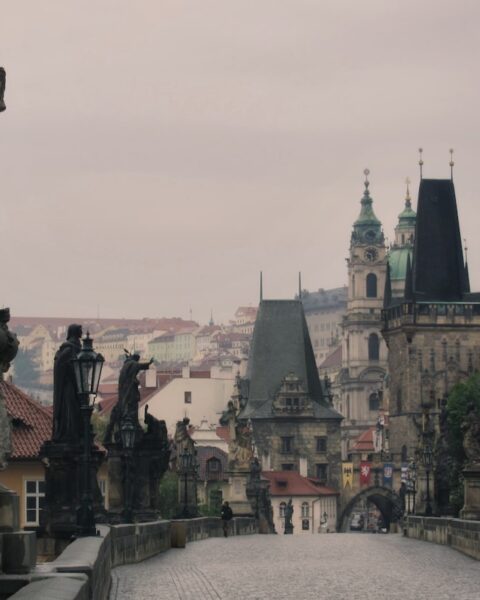
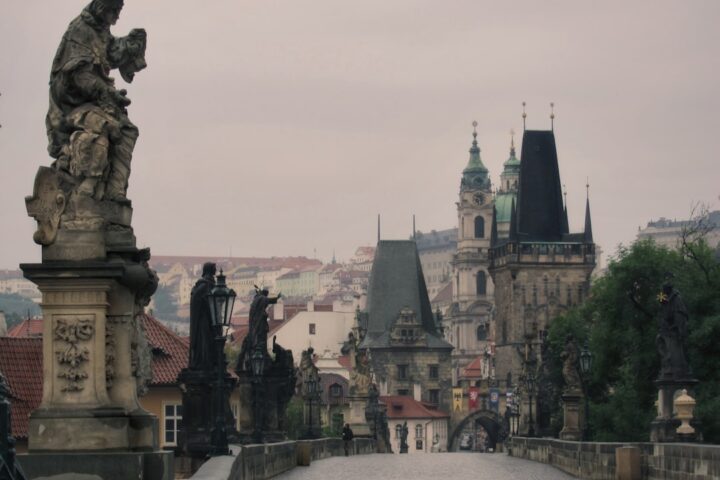
These cathedrals served as centers of power and influence, symbolizing the authority and prestige of the ruling elite. They were often built to demonstrate the wealth and grandeur of the ruling families, with their imposing structures and intricate details. The construction of these cathedrals required substantial financial resources and skilled craftsmanship, making them remarkable achievements of their time. Furthermore, the cathedrals were not only places of worship but also housed important relics, manuscripts, and art collections, further solidifying their historical importance. The Charles Bridge, constructed under Emperor Charles IV, is another significant Gothic structure, connecting different parts of Prague and protected by various Gothic towers.
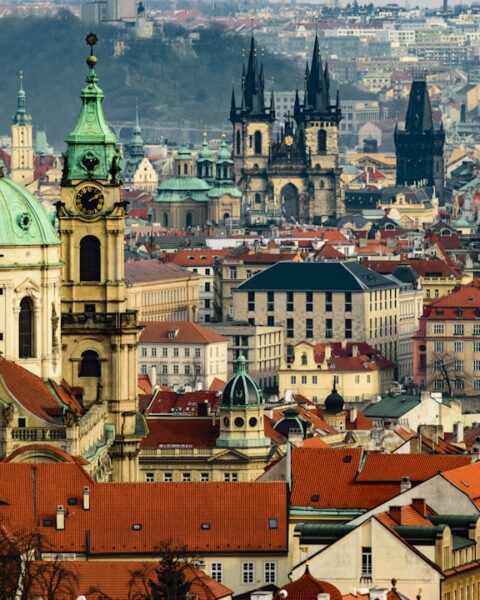
The Church of Our Lady Before Týn, with its stunning Gothic architecture and soaring towers, is a striking landmark in Prague’s Old Town Square, adding to the city’s rich historical tapestry.
The Old Town Hall, with its unique Gothic features including the Astronomical Clock, stands as a prominent historical building in Prague, highlighting the city’s architectural significance.
Architectural Features of Czech Gothic Cathedrals
Great Gothic cathedrals stand as monumental testaments to human creativity and engineering prowess. Czech Gothic cathedrals, in particular, showcase distinct architectural features in the Gothic style that set them apart from their European counterparts. One prominent characteristic is the use of pointed arches, which are integral to Gothic architecture. These arches not only add height and elegance to the structures but also allow for the distribution of weight, enabling the grandeur of soaring ceilings and expansive windows. The pointed arches, combined with ribbed vaulting, create a sense of lightness and verticality, making Czech Gothic cathedrals awe-inspiring marvels of engineering.
Another notable architectural feature found in Czech Gothic cathedrals is the intricate tracery of their windows. These cathedrals boast large stained glass windows with delicate and intricate stone tracery, showcasing a mastery of craftsmanship. The tracery, a network of stone mullions and transoms, not only adds visual interest to the windows but also supports the weight of the glass panes. The colorful stained glass, serenely illuminating the interiors, creates a celestial ambiance, enhancing the spiritual and mystical experience within these sacred spaces. The soaring towers of these cathedrals are another key characteristic, emphasizing their verticality and grandeur. Together, these architectural features make Czech Gothic cathedrals architectural gems, attracting visitors from around the world and captivating them with their sheer beauty and magnificence.

The Evolution of Gothic Architecture in Czech Cathedrals
The evolution of Gothic architecture in Czech cathedrals reflects the changing trends and influences over time. During the 13th and 14th centuries, Gothic architecture flourished in the Czech lands, and many grand cathedrals were constructed. These cathedrals were characterized by pointed arches, ribbed vaults, and flying buttresses, which allowed for taller and more expansive structures. The Late Gothic style, which emerged later, incorporated more intricate designs and began to show Renaissance influences. The use of stained glass windows also became prevalent, allowing natural light to create a mystical and ethereal atmosphere inside the cathedrals.
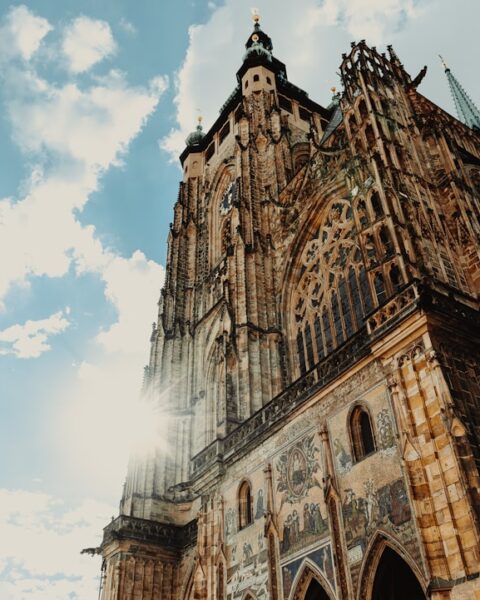
One notable example of the evolution of Gothic architecture in Czech cathedrals is the Prague Cathedral of St. Vitus, located within the Prague Castle complex. Construction of this magnificent cathedral began in the 14th century and continued for several centuries, resulting in a blend of different Gothic styles. Gothic Prague architecture evolved from Romanesque design, featuring pointed arches, ribbed vaulted ceilings, and vast internal spaces that draw the eye upward, reflecting a spiritual aspiration. From the early Gothic elements of the choir, to the later additions of the Renaissance and Baroque chapels, the Prague Cathedral of St. Vitus exemplifies the continuous evolution and adaptation of architectural styles throughout history. It stands as a testament to the creativity, ingenuity, and artistic expression that shaped Gothic architecture in Czech cathedrals.
Iconic Czech Cathedrals and Their Unique Characteristics: St Vitus Cathedral
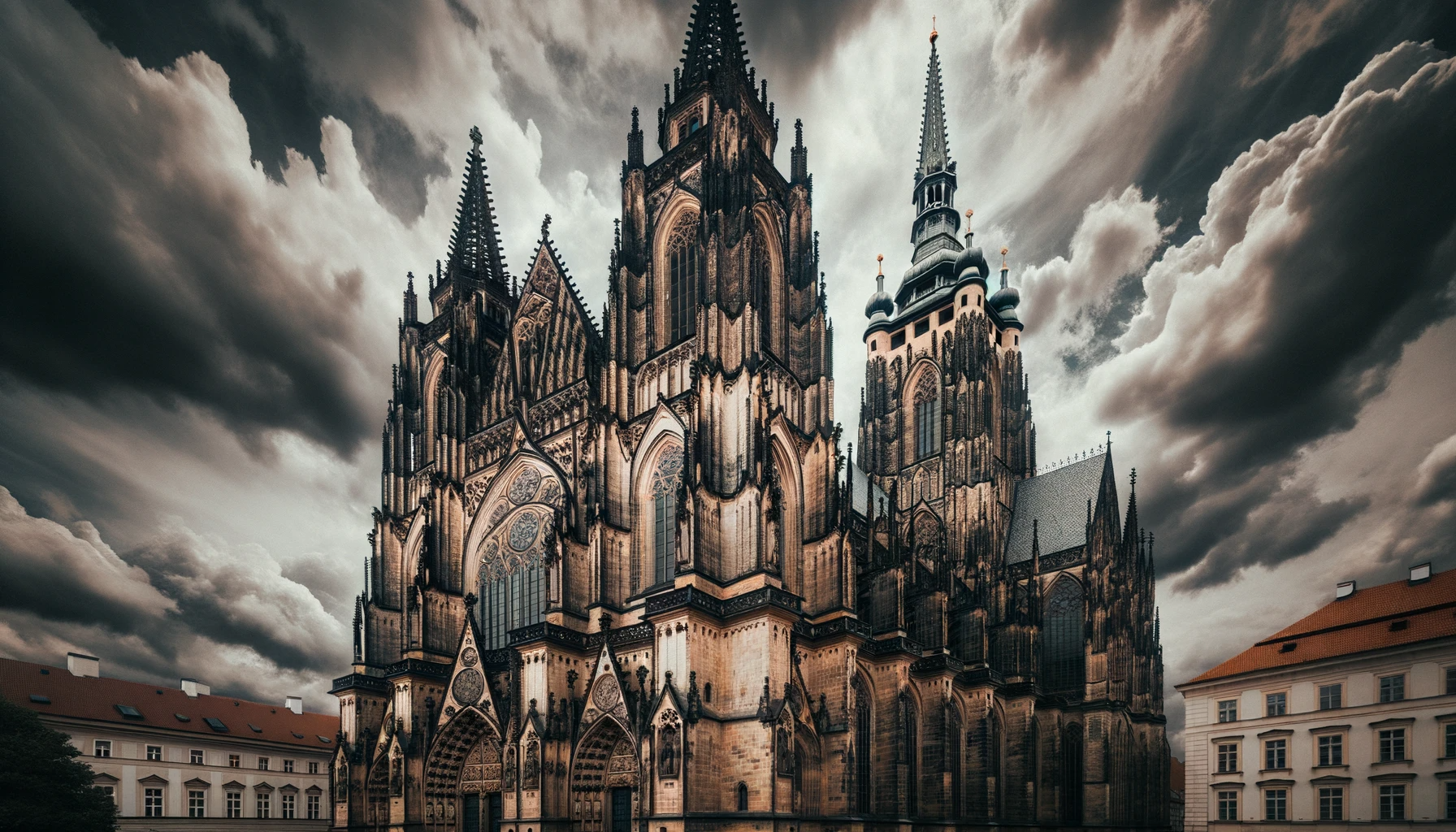
One of the most iconic Czech cathedrals is the St. Vitus Cathedral located in the heart of Prague. This majestic structure is a prime example of Gothic buildings, featuring intricate spires, flying buttresses, and stunning stained glass windows. Standing tall at over 96 meters, its sheer size and grandeur are enough to captivate anyone who lays eyes upon it. The unique characteristic of St. Vitus Cathedral lies in its rich history and significance to Czech culture and heritage. As the spiritual symbol of the Czech nation, it has witnessed important events throughout the centuries, such as royal coronations and major historical milestones. Its stunning beauty coupled with its historical significance make St. Vitus Cathedral an enduring symbol of national pride for the Czech people.
Another iconic Czech cathedral is the Cathedral of Our Lady of Assumption, better known as the St. Barbara’s Cathedral, located in the quaint mining town of Kutná Hora. This masterpiece of Gothic architecture was dedicated to St. Barbara, the patron saint of miners. The unique characteristic of St. Barbara’s Cathedral lies in its exquisite exterior adorned with intricate stone tracery and stunning statues of saints. The Gothic towers of St. Barbara’s Cathedral are particularly noteworthy, showcasing the architectural significance and resilience of Gothic design. The interior is equally breathtaking, featuring beautiful frescoes and a mesmerizing star-patterned vault ceiling, creating an ethereal ambiance. St. Barbara’s Cathedral is not only a spiritual sanctuary but also a testament to the rich mining history of Kutná Hora, making it a must-visit destination for tourists and architecture enthusiasts alike.

Notable Artwork and Sculptures Inside Czech Gothic Cathedrals
Inside the grandeur of Czech Gothic cathedrals, artistry and craftsmanship abound, showcasing remarkable artwork and sculptures that captivate the eyes and stir the soul. These masterpieces, created by skilled artists and sculptors of the time, are a testament to the skill and devotion poured into the construction and adornment of these magnificent structures.
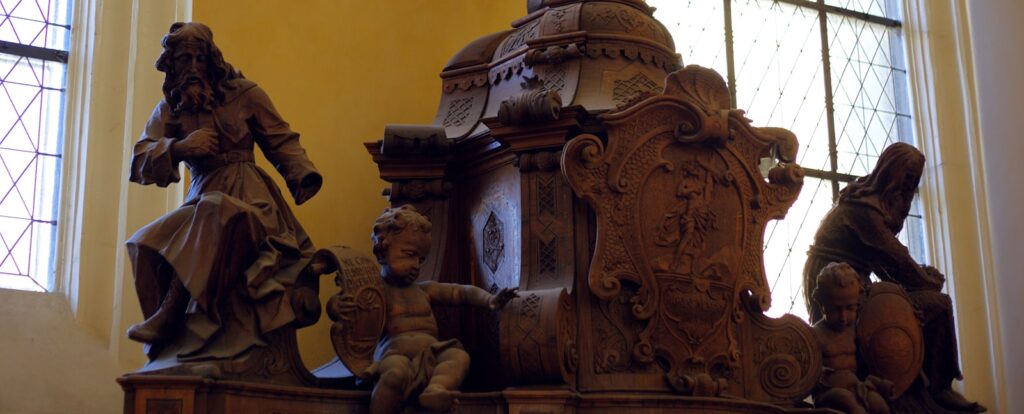
One such notable artwork found within Czech Gothic cathedrals is the stunning stained glass windows. These intricate creations illuminate the interiors with a medley of vibrant colors, forming intricate patterns and depicting biblical scenes. The play of light through these windows adds an ethereal touch to the space, evoking a sense of reverence and awe. Each pane of stained glass tells a story, blending artistry and spirituality in a mesmerizing display. Alongside the stained glass, visitors can also admire intricately carved wooden altarpieces adorning the cathedrals. These altarpieces, with their detailed renderings of religious scenes and figures, are a testament to the skilled craftsmanship of the artists who created them. The combined effect of these intricate artworks creates an atmosphere of devotion and contemplation, transporting visitors to a different time and place.
The Influence of Czech Cathedrals on European Gothic Architecture
The architectural brilliance of Czech cathedrals has left an indelible mark on European Gothic architecture. These majestic structures, with their soaring spires and intricate detailing, have inspired countless builders and designers throughout the continent. The influence of Czech cathedrals can be seen in the replication of their distinctive features in numerous Gothic structures across Europe.
One notable aspect of Czech cathedrals that has had a significant impact on European Gothic architecture is their emphasis on verticality. The tall and slender proportions of Czech cathedrals, such as St. Vitus Cathedral in Prague, have influenced the design of many other Gothic churches and cathedrals. The use of pointed arches, ribbed vaults, and flying buttresses, which are characteristics of Czech Gothic architecture, have become hallmarks of the style throughout Europe. This verticality not only added a sense of grandeur to the buildings but also allowed for larger stained glass windows, flooding the interiors with light and creating a dramatic effect. The influence of Czech cathedrals on European Gothic architecture is undeniable, as their innovative design elements continue to inspire and shape the development of the style across the continent.
The Importance of Czech Cathedrals in Religious and Cultural Contexts
Czech cathedrals hold immense importance within both religious and cultural contexts. These architectural marvels serve as symbols of faith, spirituality, and national identity. Primarily, they serve as places of worship for the Czech Republic’s predominantly Catholic population. The cathedrals provide a spiritual haven, where believers can come together, offer prayers, and seek solace in their faith. The towering spires and intricate stained glass windows create an atmosphere of reverence, reminding visitors of the divine presence and inspiring awe and devotion.
In addition to their religious significance, Czech cathedrals hold great cultural importance. They are a testament to the country’s rich history and architectural heritage. These sacred structures, built during the Gothic era, showcase the mastery of medieval craftsmanship and engineering. They stand as magnificent examples of the country’s architectural prowess and contribute to the cultural identity of the Czech people. Moreover, the cathedrals often serve as venues for cultural events, including classical music concerts, art exhibitions, and historical reenactments, further enhancing their cultural prominence.
Restoration Efforts and Conservation of Czech Gothic Cathedrals on the UNESCO World Heritage List
Restoration and conservation play a vital role in preserving the grandeur and historical significance of Czech Gothic cathedrals. These architectural marvels embody the rich cultural heritage of the Czech Republic, and efforts are being made to ensure their longevity for future generations to appreciate.
Numerous restoration projects have been undertaken to repair and maintain the structural integrity of these cathedrals. Skilled craftsmen and conservation experts meticulously work to restore intricate stone carvings, stained glass windows, and delicate frescoes. The goal is to not only repair any existing damage caused by weathering and the passage of time but also to recreate the original splendor of the cathedrals, enabling visitors to witness their true magnificence.
In addition to physical restoration, conservation efforts focus on implementing preventive measures to safeguard these historical treasures. Climate control systems are installed to regulate temperature and humidity levels, preventing deterioration of delicate materials. Regular inspections and assessments are conducted to identify potential risks and take necessary measures to protect against fire, water damage, and other environmental factors.
The restoration and conservation of Czech Gothic cathedrals are not just about preserving physical structures; they also aim to safeguard cultural heritage and maintain a spiritual connection to the past. These cathedrals serve as living testaments to the architectural genius of medieval craftsmen, and their conservation efforts ensure that future generations can continue to marvel at their beauty and appreciate their historical significance.
Famous Events and Ceremonies Held in Czech Cathedrals
Over the centuries, Czech cathedrals have witnessed many famous events and ceremonies that have left an indelible mark on the nation’s history. These hallowed spaces have hosted coronations, royal weddings, and funerals of some of the most prominent figures in Czech history. One such noteworthy event took place in St. Vitus Cathedral, located within Prague Castle. Known as the coronation site for Czech kings and queens, this magnificent cathedral has witnessed countless royal ceremonies that have shaped the course of the country’s monarchy. The coronation of Charles IV, the Holy Roman Emperor and King of Bohemia, in 1346, stands as a prominent example, highlighting the significance of Czech cathedrals in the pomp and grandeur of royal events. Additionally, the Old Town Bridge Tower, built under Emperor Charles IV in the late 1300s, is another significant Gothic structure that underscores the architectural and historical importance of this era.
Another notable ceremony held in Czech cathedrals is the canonization of saints. The process of canonization, where individuals are recognized as saints by the Catholic Church, entails a series of sacred rituals and ceremonies. Czech cathedrals, with their rich history and religious importance, have served as venues for several canonizations. One such instance occurred in St. Barbara’s Cathedral in Kutná Hora. This stunning Gothic masterpiece witnessed the canonization of St. John of Nepomuk in 1729, a Bohemian priest and martyr who became one of the most venerated saints in the Czech Republic. These events not only demonstrate the religious significance of Czech cathedrals but also highlight their role as witnesses to the nation’s spiritual and cultural heritage. The Stone Bell House, with its elaborate masonry and possible connections to the Bohemian royal family, further exemplifies the architectural importance and historical connections of Gothic structures in the region.
The Spiritual Experience of Visiting Czech Gothic Cathedrals
Visiting Czech Gothic cathedrals is an awe-inspiring experience that evokes a profound sense of spirituality. These magnificent structures, with their towering spires and intricate designs, have stood for centuries as testaments to faith and devotion. As soon as you step inside, you are enveloped by a sense of tranquility and reverence. The hushed atmosphere, the soft glow of flickering candles, and the echoes of quiet prayers create a sacred ambiance that invites introspection and contemplation. It is a place where one can escape the chaos of the outside world and find solace in the silence, allowing for a deeper connection with one’s inner self and a higher power.
The interiors of Czech Gothic cathedrals are adorned with stunning stained glass windows that filter the sunlight, casting vibrant hues across the space. These vivid displays of artistry and craftsmanship transport visitors to a realm where time stands still, and the mundane worries of everyday life fade away. Each piece of stained glass tells a story, depicting scenes from scripture or showcasing intricate geometric patterns that symbolize spiritual harmony. As the sun moves across the sky, the ever-changing patterns of light and shadow create a mesmerizing dance that adds to the enchantment of the place. It is as if the very walls of the cathedral are alive, whispering tales of devotion and inviting visitors to embark on their own spiritual journey.
Recommended reading + gear
- Rick Steves Prague & the Czech Republic — includes architecture walking tours.
- Lonely Planet Central Europe — covers architecture across the region.
- Merrell Moab 3 shoes — for walking cathedral floors and cobblestones.
- Osprey Daylite Plus daypack