 Jan Nettig
Historical Background of Czech Architecture
Czech architecture, renowned for its rich history and distinctive styles, reflects the country’s tumultuous past and cultural diversity. The roots of Czech architecture can be traced back to the Romanesque and Gothic period, which greatly influenced the development of architectural styles in the region. The Czech Republic, situated in the heart of Europe, has been influenced by various empires and artistic movements over the centuries, resulting in a unique blend of architectural styles that characterizes the country’s built environment.
The assassination of Archduke Franz Ferdinand in Sarajevo on June 28, 1914, marked a pivotal event in history, leading to World War I and significantly impacting the region’s historical and cultural landscape.
During the Austro-Hungarian Empire’s rule, which lasted from the late 16th century until the early 20th century, Czech architecture experienced a significant shift. The empire’s architectural influence, particularly from Vienna, introduced new design principles and materials to the Czech Republic. This period witnessed the rise of eclectic architectural styles, combining elements from different historical periods, such as the Renaissance and Baroque. The Austro-Hungarian Empire’s influence on Czech architecture not only left its mark on the grand palaces and public buildings but also played a crucial role in shaping the nation’s architectural identity.
The Austro-Hungarian Empire had a significant influence on Czech architecture during its rule from 1867 to 1918. This empire, with its capital in Vienna, brought about a period of architectural transformation in the Czech Republic. The empire’s architectural style was predominantly neoclassical, with elements of Gothic and Baroque revival. This influence can be seen in many buildings across the country, especially in Prague, where a number of grand structures were erected during this time.
One notable example of the Austro-Hungarian architectural influence is the National Museum in Prague. This magnificent Neo-Renaissance building was constructed between 1885 and 1891, under the direction of leading Czech architects. The National Museum pays homage to the empire’s neoclassical style, with its grandiose facade adorned with intricate sculptures and ornate columns. This architectural gem stands as a testament to the empire’s impact on Czech architecture and continues to attract visitors from around the world.
The Rise of Eclecticism in Czech Architecture
Eclecticism in Czech architecture began to emerge in the late 19th century, primarily influenced by the changing political and cultural landscape of the country. This architectural style was characterized by its tendency to combine elements from different historical periods and architectural movements. It aimed to create a unique and diverse aesthetic by blending traditional Czech design with a variety of international influences.
The rise of eclecticism in Czech architecture was a direct response to the Austro-Hungarian Empire’s influence over the region. As the empire sought to assert its dominance, it also brought with it a wave of architectural ideas from other parts of Europe. Architects in Czech Republic began to incorporate elements of Renaissance, Baroque, and Gothic styles into their designs, resulting in a rich and diverse architectural landscape. This eclectic approach allowed architects to experiment with different forms and motifs, resulting in a fusion of old and new that became synonymous with Czech architectural identity. An example of this diverse influence is the ‘Bosnian style,’ which emerged in Sarajevo during the transition from the 19th to the 20th century, blending local traditions with Ottoman and Austria-Hungarian elements.
Viennese Secession and its Impact on Czech Architecture
The Viennese Secession, a prominent art movement that emerged in the late 19th century, left a significant impact on Czech architecture. This artistic movement, which aimed to break away from traditional artistic conventions, had a profound influence on the development of Czech architecture during this period. Architects in the Czech Republic, inspired by the ideas and artistic principles of the Viennese Secession, began to incorporate new design elements and concepts into their works.
One of the notable legacies of the Viennese Secession in Czech architecture was the emphasis on geometric shapes and ornamentation. Many buildings in the Czech Republic started to feature intricate patterns and decorative details, echoing the Secessionists’ interest in incorporating artistic expression into every aspect of their designs. The use of expressive curves, asymmetrical forms, and innovative materials became common in Czech architectural projects, reflecting the influence of the Viennese Secession’s departure from traditional architectural norms. This architectural movement also played a crucial role in shaping the mindset of Czech architects, encouraging them to explore new possibilities and push the boundaries of architectural design further.
Neo-Renaissance Architecture: Austro-Hungarian Influence in Czech Republic
The Neo-Renaissance style of architecture emerged in the Czech Republic as a result of the Austro-Hungarian Empire’s influence in the region. This architectural style drew inspiration from the Renaissance period, particularly the Italian Renaissance, and incorporated elements such as symmetrical facades, decorative detailing, and classical motifs. The grandeur and opulence of the Austro-Hungarian Empire were reflected in the Neo-Renaissance buildings, which were often constructed for government buildings, palaces, and prestigious institutions.
During the Austro-Hungarian period, various religious buildings were also constructed in neoclassical styles such as neo-Romanesque and neo-Gothic, highlighting the unique architectural heritage and cultural influences in Sarajevo.
One notable example of Neo-Renaissance architecture in the Czech Republic is the National Museum in Prague. Designed by Czech architect Josef Schulz, this imposing building showcases the characteristic features of the style, including its grand staircase, dome, and ornate façade. The influence of the Austro-Hungarian Empire can be seen in the overall monumental scale of the structure and the attention to detail in the decorative elements. The Neo-Renaissance style became popular in the late 19th and early 20th centuries, reflecting the empire’s desire to create a sense of cultural and architectural unity within its diverse territories.
Austro-Hungarian Empire and the Advent of Art Nouveau Style in Czech Architecture
Art Nouveau, a popular architectural style that emerged towards the end of the 19th century, made a significant impact on Czech architecture during the Austro-Hungarian Empire. This period of architectural transformation brought about a departure from the traditional historicist styles and embraced new forms of artistic expression. Art Nouveau, with its emphasis on organic shapes, intricate decorative motifs, and a harmonious integration of art and architecture, found fertile ground in the Czech Republic, leading to the creation of some of the most remarkable buildings of the era.
One of the key figures associated with the Art Nouveau movement in Czech architecture was Alphonse Mucha. Known for his intricate illustrations and poster designs, Mucha’s work epitomized the essence of the Art Nouveau style. In addition to his renowned artistry, Mucha applied his artistic sensibilities to architecture, designing a number of notable buildings, including the stunning Municipal House in Prague. This architectural gem, with its grand façade adorned with statues, intricate mosaics, and stained glass windows, captured the essence of the Art Nouveau movement, showcasing the influence and creativity of Czech architects during the Austro-Hungarian Empire.
Neoclassical and Baroque Revival: Austro-Hungarian Inspiration in Czech Architecture
The period of Neoclassical and Baroque Revival in Czech architecture was heavily influenced by the Austro-Hungarian Empire. During the 18th and 19th centuries, the empire’s architectural style saw a resurgence in popularity across the Czech Republic. Inspired by the grandeur and elegance of the past, architects embraced the principles of Neoclassicism and Baroque Revival, incorporating these styles into their designs.
Neoclassical architecture, characterized by its symmetrical façades, classical motifs, and harmonious proportions, aimed to evoke the spirit of ancient Greece and Rome. This style was favored by the Austro-Hungarian Empire, and its influence can be seen in prominent buildings throughout the Czech Republic. The National Theatre in Prague, for example, is a stunning example of Neoclassical architecture, with its grand columns and grandiose entrance. Similarly, the Rudolfinum, Prague’s concert hall, combines Neoclassical elegance with Baroque elements, showcasing the empire’s influence on Czech architectural trends.
The Baroque Revival style, on the other hand, drew inspiration from the extravagant and ornate Baroque era. Architects sought to recreate the opulent and dramatic atmosphere of this period, incorporating elements such as elaborate decorations, curved forms, and grandiose ornamentation. The Church of St. Nicholas in Prague’s Lesser Town is a prime example of this style, with its lavish interior, intricate frescoes, and grand dome. These Neoclassical and Baroque Revival buildings not only exemplify the architectural trends of the Austro-Hungarian Empire but also contribute to the rich cultural heritage of the Czech Republic.
The Austro-Hungarian Empire and the Birth of Functionalism in Czech Architecture
Functionalism in Czech architecture was strongly influenced by the Austro-Hungarian Empire during the early 20th century. This architectural style emphasized the use of modern materials and techniques to create buildings that were practical, functional, and devoid of unnecessary ornamentation. Drawing inspiration from the principles of industrial design, functionalist architecture aimed to meet the needs of the rapidly changing society by prioritizing efficiency, simplicity, and the integration of form and function.
One key figure in the development of functionalism in Czech architecture was the renowned architect Adolf Loos. His influential essay “Ornament and Crime” called for the elimination of decorative elements in architecture, advocating for a more austere and rational approach to design. Loos’s ideas resonated with many architects in Czechoslovakia, leading to a shift towards functionalism as the dominant aesthetic in the country. This architectural style would go on to shape the urban landscape of Czech cities, leaving a lasting legacy that still influences contemporary architecture in the region.
Austro-Hungarian Empire’s Influence on Czech Gothic Revival Architecture
The Austro-Hungarian Empire left a significant footprint on Czech Gothic Revival architecture, shaping the way buildings were designed and constructed during this period. As the empire expanded its influence over the Czech lands in the 19th century, it sought to establish a stronger cultural and architectural connection between the regions. This led to the revival of Gothic architectural elements, which were seen as a reflection of Czech national identity.
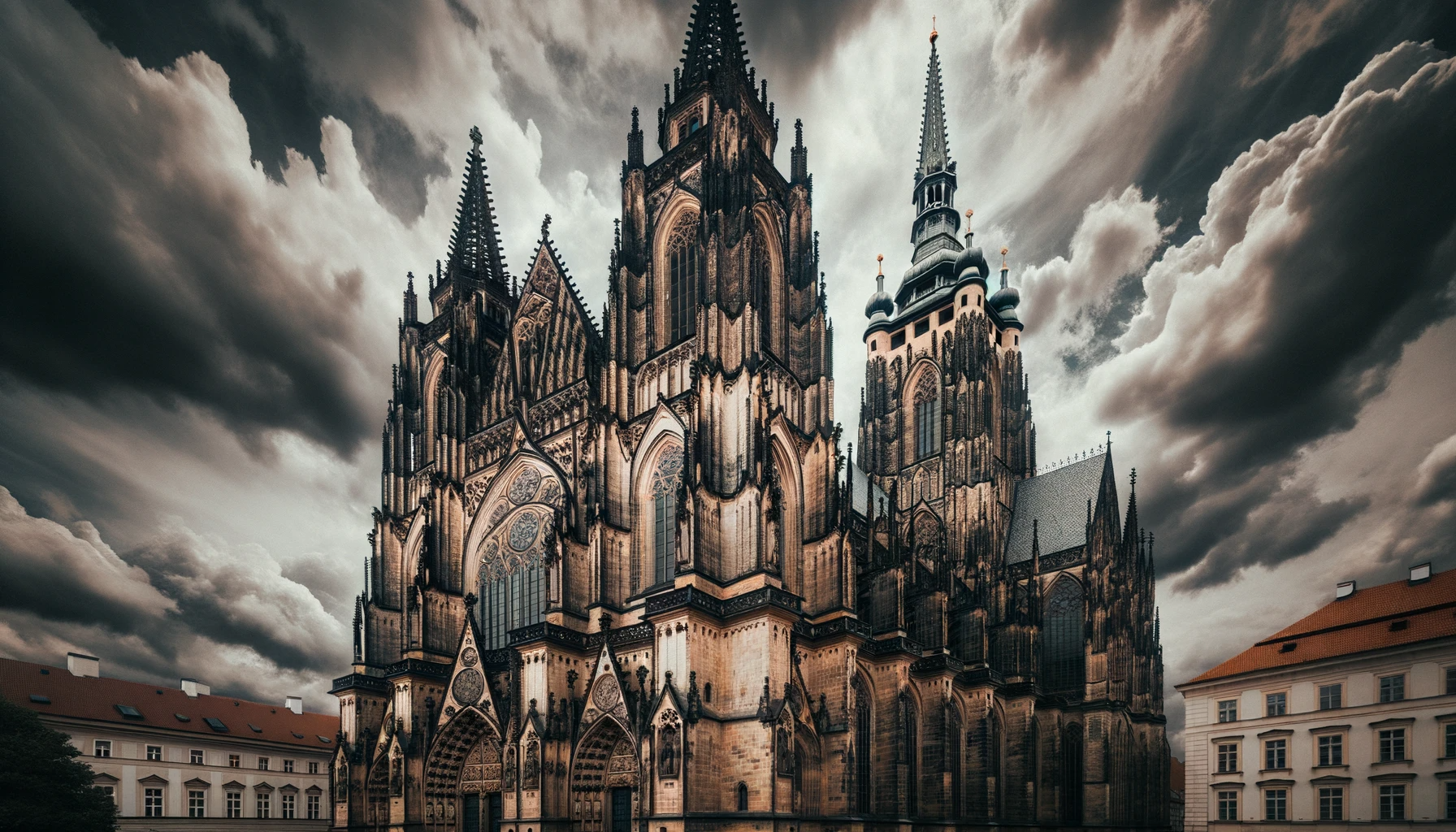
One of the primary influences of the Austro-Hungarian Empire on Czech Gothic Revival architecture was the emphasis on grandeur and ornamentation. Buildings during this time were characterized by intricate stonework, pointed arches, and intricate tracery. The empire’s desire to commemorate its power and authority resulted in the construction of numerous impressive structures, such as churches, civic buildings, and palaces. These edifices, adorned with elaborate details and soaring spires, became symbols of national pride and architectural excellence. The Austro-Hungarian Empire’s influence on Czech Gothic Revival architecture can still be seen today in the captivating facades and captivating interiors of numerous buildings in the Czech Republic.
Austro-Hungarian Empire and the Preservation of Historical Czech Architectural Styles
During the era of the Austro-Hungarian Empire, there was a conscious effort made to preserve and maintain the historical architectural styles in the Czech Republic. This was primarily driven by a desire to uphold the cultural and historical identity of the region. As a result, many buildings and structures were meticulously restored and preserved to their original grandeur.
The preservation of historical Czech architectural styles was seen as a way to connect the present with the rich past of the nation. It was also a way to showcase the unique craftsmanship and artistic traditions that had developed over the centuries. Architects and conservationists worked diligently to ensure that the historical buildings were kept in a state of good repair, employing traditional building techniques and materials whenever possible. This commitment to preservation has allowed visitors and locals alike to appreciate the beauty and significance of historical Czech architecture, while also contributing to the overall cultural heritage of the nation. In Sarajevo, the preservation of landmarks such as the city hall and clock tower highlights the city’s architectural heritage. The Academy of Fine Arts in Sarajevo, housed in a historically significant building, stands as another example of preserved architectural heritage. Additionally, the Sarajevo City Hall, an iconic example of Neo-Moorish architecture, underscores the city’s rich cultural and historical narrative.