

Introduction to Czech Beer Culture
Czech beer, or “pivo” as it is known in the Czech language, holds an iconic status in the Czech Republic. With a history that dates back to the 10th century, beer brewing in this region began in monasteries, where monks meticulously crafted brews using traditional techniques. Over the centuries, the practice to brew beer evolved significantly, with notable breweries and events contributing to the rich brewing heritage of the Czech Republic. Beer became deeply ingrained in the fabric of Czech society, not just as a beverage, but as a cultural cornerstone. Today, the Czech Republic proudly holds the title of the highest beer consumption per capita in the world, a testament to the country’s profound beer culture.
Beer isn’t merely a drink in the Czech Republic; it is a symbol of national pride, a source of social bonding, and an integral part of everyday life. The beer industry is renowned globally, not only for its long history but also for the unparalleled quality of its brews. Among the many famous Czech breweries, Pilsner Urquell and Budweiser Budvar stand out as paragons of this rich brewing tradition. These breweries, among others, have played a crucial role in shaping the identity of Czech beer, making it a beloved drink not only within the borders of the Czech Republic but around the globe.
The unique brewing process used by Czech breweries, combined with high-quality ingredients, results in beers that are well-balanced, flavorful, and consistent in quality. This has helped maintain the country’s reputation as a beer lover’s paradise, where one can find everything from classic lagers to innovative craft brews. Czech beer festivals, such as Pilsner Fest and the Czech Beer Festival in Prague, further highlight the country’s deep-rooted beer traditions, drawing both locals and tourists who seek to experience the authentic Czech beer culture firsthand.


Types of Czech Beers
Czech beers are as diverse as the landscapes of the country itself, ranging from light and refreshing lagers to rich and dark brews. Here’s a guide to some of the most popular types of Czech beer: Popular Czech beer is renowned for its historical significance and unique flavors, attracting both locals and tourists with its wide range of styles.
Pilsner: The Pioneer Pale Lager
Pilsner, a pale lager, is perhaps the most famous Czech beer style. Characterized by its transparent golden color and high foaminess, Pilsner is celebrated for its crisp, refreshing taste and subtle hop bitterness. The beer’s name originates from the city of Pilsen (Plzeň) in Western Bohemia, where it was first brewed in 1842. Pilsner Urquell, the original pilsner, remains a global standard for this style, setting the bar high for pale lagers around the world.
Dark Beer: The Rich and Sweet
Dark beer, known in Czech as “tmavé pivo,” offers a completely different flavor profile. These beers are typically sweeter and feature a deeper, darker color, thanks to the roasted malts used in brewing. Dark beers have a rich, malty flavor with hints of caramel, chocolate, and sometimes even dark fruit. This style is particularly popular during the colder months, pairing well with hearty Czech dishes and desserts.
Wheat Beer: The Refreshing Summer Brew
Wheat beer, or “pšeničné pivo,” is a top-fermented beer known for its refreshing qualities. Typically enjoyed during the warmer months, wheat beer is often cloudy, with a fruity aroma and a slightly tart flavor. It’s light and effervescent, making it a perfect choice for summer days. Czech wheat beers are increasingly popular, especially in the country’s growing craft beer scene.
Czech Premium Pale Lager: The Full-Bodied Classic
The Czech Premium Pale Lager, often referred to simply as a “pale lager,” is a high-quality, full-bodied beer with a rich, balanced flavor. This style represents the pinnacle of Czech brewing, combining the crispness of a pilsner with a more complex malt profile. Czech Premium Pale Lagers are known for their smoothness and the harmonious balance between malt sweetness and hop bitterness.
Czech Pale Lager: The Light and Crisp
Czech Pale Lager is a lighter, more refreshing version of the premium pale lager. It is characterized by a lower alcohol content and a crisper taste, making it an ideal session beer. This style is perfect for those who prefer a more delicate flavor without sacrificing the traditional characteristics of Czech lagers.
Pilsner Urquell: The Original Pilsner
Pilsner Urquell is more than just a beer; it is a piece of history. As the world’s first pale lager, Pilsner Urquell revolutionized the brewing world when it was first introduced in 1842. Brewed in Pilsen, Czech Republic, this beer is distinguished by its beautiful golden hue, thick, foamy head, and pleasantly bitter taste.
The creation of Pilsner Urquell marked a significant milestone in beer brewing, giving rise to the pilsner style that would go on to dominate the global beer market. Today, Pilsner Urquell remains the gold standard for pale lagers, enjoyed by millions of beer drinkers worldwide.
What sets Pilsner Urquell apart from other beers is its unique brewing process. The beer is brewed using a method known as triple decoction, which involves boiling the mash three times to extract maximum flavor from the malt. This process, combined with a longer brewing time, contributes to Pilsner Urquell’s distinct taste and character. The result is a crisp, well-hopped beer with a balanced finish that has stood the test of time.
For those looking to delve deeper into the history and production of Pilsner Urquell, a visit to the Pilsner Urquell Brewery in Pilsen is a must. Here, visitors can learn about the brewing process, explore the historic cellars, and, of course, sample this iconic beer straight from the source.

Czech Beer Brewing Process
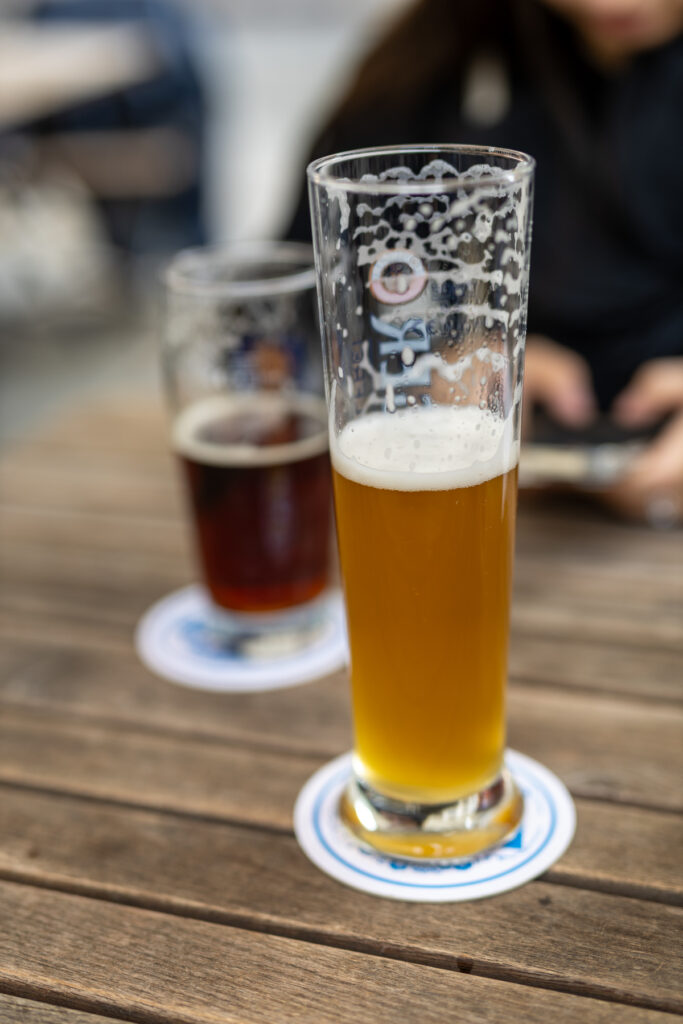
The process of brewing Czech beer is a meticulous art, combining centuries-old traditions with modern brewing techniques. The breweries in czech Republic are known for their commitment to quality, using only the finest ingredients and adhering to time-honored methods that have been passed down through generations. For those interested in delving deeper, a comprehensive Czech beer guide provides detailed information about Czech beer culture and brewing techniques.
Ingredients: The Foundation of Czech Beer
High-quality ingredients are essential to brewing exceptional Czech beer. The primary ingredients include malt, hops, yeast, and water. Czech brewers traditionally use Saazer-type hops, known for their aromatic qualities and mild bitterness. These hops, combined with soft water from local sources, create the distinct flavor profiles characteristic of Czech beer. The malt used in Czech brewing is typically sourced from local barley, which contributes to the beer’s body and color.
The Brewing Process: Tradition Meets Precision
Czech beer brewing often involves a technique called triple decoction, a process that sets Czech beers apart from others. Triple decoction involves boiling portions of the mash (the mixture of malt and water) three times at different stages, which enhances the beer’s malt character and gives it a rich, full flavor. This technique, while time-consuming, is crucial in creating the well-balanced taste that Czech beers are famous for.
Fermentation is another critical step in the brewing process. Czech beer typically undergo a longer fermentation period, allowing the flavors to fully develop. This extended fermentation also contributes to the beer’s clarity and stability, resulting in a finished product that is both visually appealing and delicious.
Experienced brewmasters oversee the entire brewing process, ensuring that each batch of beer meets the high standards expected of Czech breweries. These brewmasters often spend years honing their craft, mastering the nuances of brewing to produce beers that are consistently top-notch.

Beer and Food Pairing
Czech beer isn’t just a drink; it’s an experience, particularly when paired with the right food. Czech cuisine, with its hearty flavors and rich textures, is the perfect companion to the country’s diverse beer styles.
Pilsner and Roasted Meats
Pilsner, with its crisp, slightly bitter taste, pairs beautifully with roasted meats, a staple in Czech cuisine. The beer’s carbonation and hop bitterness cut through the richness of dishes like roasted pork or duck, creating a balanced and satisfying meal.
Dark Beer and Sweet Dishes
Dark beer’s malty sweetness makes it an ideal partner for sweet dishes, such as Czech desserts and cakes. The caramel and chocolate notes in the beer complement the flavors of pastries like “koláče,” a traditional Czech sweet pastry filled with fruit or cheese.
Wheat Beer and Lighter Fare
Wheat beer’s light and refreshing character pairs well with lighter dishes, such as salads and seafood. The beer’s fruity esters and slight tartness enhance the flavors of fresh vegetables and delicate fish dishes, making for a refreshing combination.
Czech Pale Lager and Casual Snacking
Czech Pale Lager, with its light body and crisp taste, is perfect for casual snacking. It pairs well with Czech pub favorites like “utopenec” (pickled sausages) or “nakládaný hermelín” (marinated cheese). These salty snacks are complemented by the beer’s clean finish, making them a popular choice in Czech beer halls.
Czech Beer Culture and Traditions
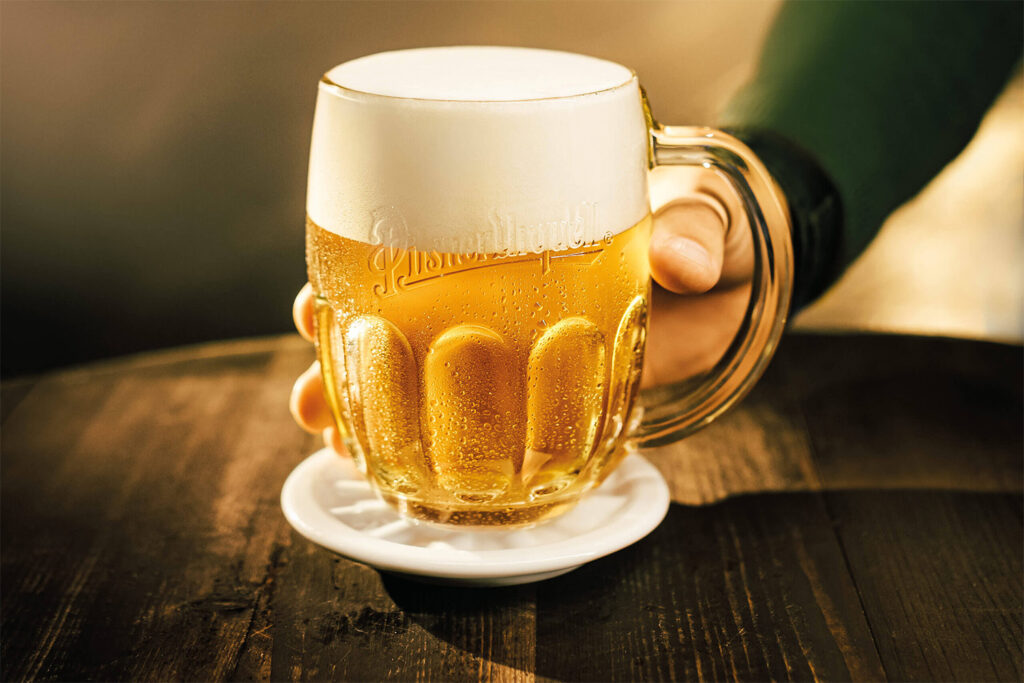
The beer culture is more than just enjoying a pint; it’s about socializing, connecting with friends and family, and participating in a shared tradition that has been passed down through generations. In the Czech Republic, beer is often enjoyed in lively pubs and beer halls, where people gather to unwind after a long day or celebrate special occasions. For those interested in delving deeper, a comprehensive Czech beer guide provides valuable insights into the beer culture, including brewery locations, beer types, and traditional drinking etiquette.
Pubs and Beer Halls: The Heart of Czech Social Life
Czech pubs, known as “hospody,” are the heart of the country’s social life. These establishments are often cozy, with a warm and inviting atmosphere that encourages conversation and camaraderie. Beer is typically served in half-liter glasses, known as “půllitry,” and it’s not uncommon for patrons to spend hours enjoying multiple rounds with friends.
Beer halls, on the other hand, are larger venues that can accommodate bigger groups. These spaces are perfect for celebrations, such as weddings or birthdays, where beer flows freely, and the atmosphere is festive.
Beer Festivals: Celebrating Czech Beer
Beer festivals are a highlight of the country’s beer culture, offering a chance to sample a wide variety of brews while enjoying live music, traditional food, and lively entertainment. The Pilsner Fest, held annually in Pilsen, is one of the most famous beer festivals in the Czech Republic. This event celebrates the anniversary of the first batch of Pilsner Urquell and draws beer lovers from all over the world.
Another popular event is the Czech Beer Festival in Prague, a two-week-long celebration that showcases the best of Czech brewing. Visitors can sample beers from large breweries, as well as offerings from smaller, craft breweries, all while enjoying Czech cuisine and live performances.
Beer in Czech Traditions
Beer is also an important part of many Czech traditions, including weddings, where it is customary to toast the newlyweds with a glass of beer. During holidays, such as Christmas and Easter, special beers are brewed to mark the occasion, adding to the festive spirit.


Top Czech Beer Brands
Czech beer is synonymous with quality, and several brands have earned international acclaim for their exceptional brews. Here are some of the top Czech beer brands that you should try:
The popularity of various Czech beer brands, including iconic ones like Pilsner Urquell, highlights the allure of popular beer culture, known for its historical significance and unique flavors.

Pilsner Urquell: The Original and the Best
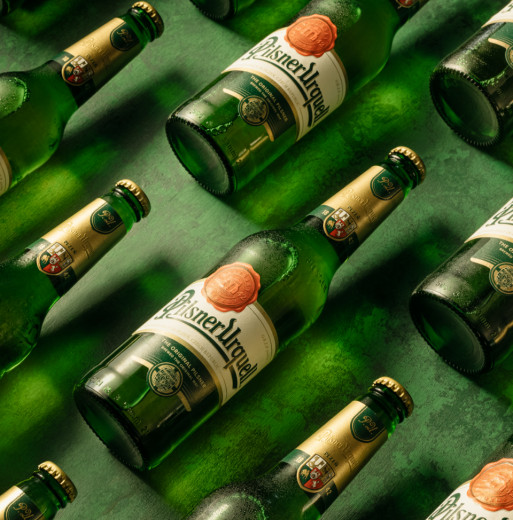
As the world’s first pilsner, Pilsner Urquell is a must-try for any beer enthusiast. Its crisp, refreshing taste and well-hopped flavor have made it a favorite around the globe. Brewed in Pilsen since 1842, Pilsner Urquell continues to be a benchmark for pale lagers.

Budweiser Budvar: The Iconic Czech Lager
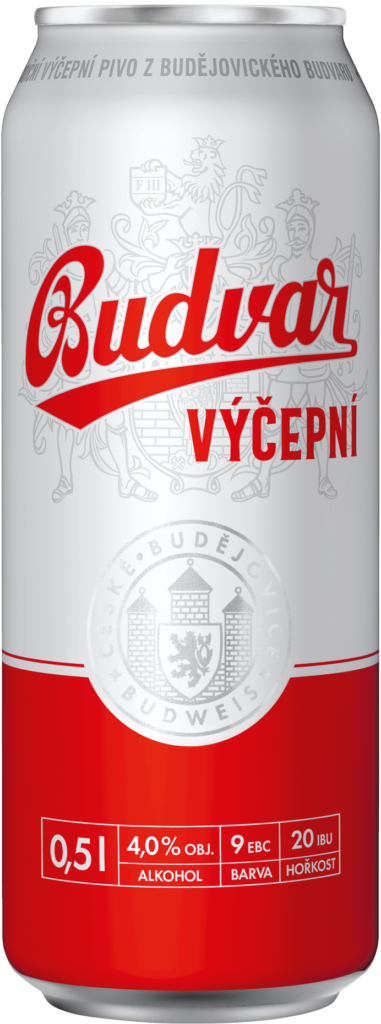
Budweiser Budvar, known in the United States as Czechvar due to trademark issues, is another iconic Czech lager. This beer is brewed in České Budějovice, a town with a brewing tradition dating back to the 13th century. Budweiser Budvar is known for its balanced taste, with a slight sweetness and mild bitterness, making it a well-rounded beer that appeals to a wide range of beer drinkers.

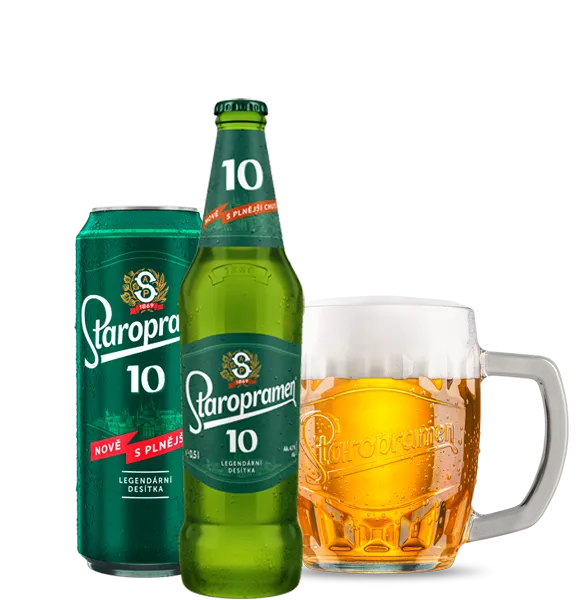
Staropramen: A Prague Institution
Founded in 1869, Staropramen is a staple of the Prague beer scene. This brewery produces a range of beers, but it is best known for its reliable quality and smooth flavor. Staropramen’s flagship beer, a pale lager, is enjoyed by locals and tourists alike in Prague’s many pubs and beer gardens.


Krušovice: The Beer of Kings
Krušovice, one of the oldest breweries in the Czech Republic, has been brewing beer since 1581. This brewery offers a wide selection of beers, including pale lagers, dark beers, and specialty brews. Krušovice beers are known for their distinctive taste and the iconic knight logo that adorns their bottles.


Gambrinus: The People’s Beer
Gambrinus is one of the most popular Czech beers, both in the Czech Republic and abroad. Named after the legendary king of beer, Gambrinus offers a range of lagers that are known for their moderate bitterness and mellow flavor. It’s a beer that appeals to both casual drinkers and beer connoisseurs, making it a versatile choice for any occasion.
Craft Beer in the Czech Republic
While the Czech Republic is famous for its traditional lagers, the country’s craft beer scene is rapidly growing, offering beer lovers a chance to explore new and exciting flavors. Small breweries are popping up across the country, experimenting with different styles, ingredients, and brewing techniques.
A New Wave of Brewing
Czech craft breweries are known for their creativity and willingness to push the boundaries of traditional brewing. Many of these breweries are experimenting with top-fermentation techniques, creating ales that are a departure from the classic lagers. Others are embracing innovative ingredients, such as local herbs and spices, to create unique flavors that are distinctly Czech.
Dry-Hopping and Beyond
One of the trends in Czech craft brewing is dry-hopping, a process that adds hops after the beer has finished fermenting, resulting in a more intense hop aroma and flavor. This technique is particularly popular among brewers looking to create more aromatic and flavorful beers, such as pale ales and India pale ales (IPAs).
Exploring New Styles
In addition to traditional styles, Czech craft breweries are experimenting with a variety of beer styles, including stouts, porters, and sour beers. These brews offer a refreshing change from the classic lagers and showcase the versatility of Czech brewing.
The Rise of Microbreweries
Microbreweries, or “minipivovary,” are becoming increasingly popular in the Czech Republic. These small-scale breweries often produce limited batches of beer, allowing them to focus on quality and experimentation. Many microbreweries have their own pubs or taprooms, where visitors can sample their latest creations and enjoy a more intimate beer-drinking experience.
Conclusion
Czech beer is not just a beverage; it’s a reflection of the country’s rich history, culture, and traditions. From the world-renowned Pilsner Urquell to the innovative brews of the Czech craft beer scene, there is a Czech beer for every palate.
Whether you’re enjoying a classic pilsner in a Prague beer hall, sipping on a dark lager during a chilly winter evening, or exploring the latest offerings from a local microbrewery, Czech beer offers an experience that is both satisfying and unforgettable. The Czech Republic’s commitment to quality, tradition, and innovation has made its beer culture one of the most respected in the world.
So, next time you find yourself in the Czech Republic, or if you come across a Czech beer at your local store, take the opportunity to immerse yourself in this rich tradition. Cheers, or as the Czechs say, “Na zdraví!”