 Kristina Vankova
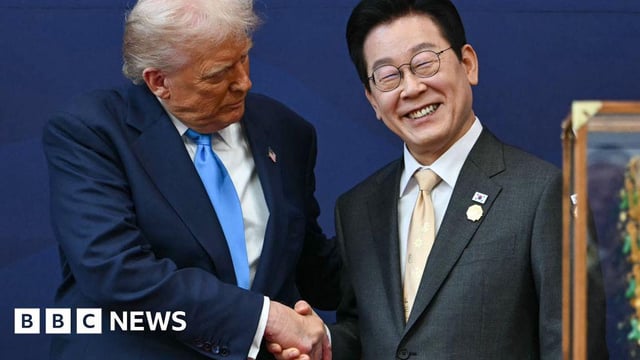
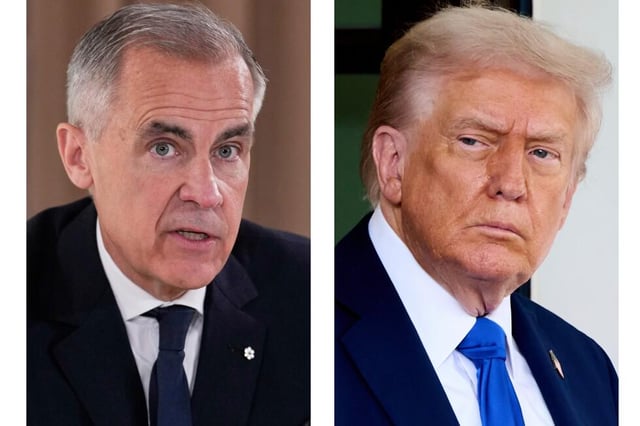
In a recent statement, former U.S. President Donald Trump claimed to have intervened in a potentially catastrophic conflict between India and Pakistan. The assertion came during his remarks at a political event, where Trump suggested his involvement thwarted a severe escalation between the two nuclear-armed nations.
Trump’s Claim on Preventing a Nuclear Escalation
According to Trump, the tensions between India and Pakistan had reached a dangerous level during his presidency, with the two countries on the brink of a large-scale conflict. The former president stated that it was his diplomatic efforts that prevented the situation from spiraling out of control. His comments have reignited discussions on his administration’s foreign policy maneuvers and their implications for global peace.
Trump’s narrative places emphasis on his personal role in diffusing the tension, suggesting that his actions were pivotal in steering both nations away from a possible nuclear confrontation. However, specifics on how this intervention was carried out remain vague, leaving political analysts and international affairs specialists questioning the exact nature of his involvement.
Historical Context of India-Pakistan Relations
The relationship between India and Pakistan has been fraught with conflict since the two nations gained independence from British colonial rule in 1947. The core issues revolve around territorial disputes, particularly over the Kashmir region, and have led to several wars and ongoing skirmishes at the borders. The presence of nuclear weapons in both countries has further complicated matters, making the stakes considerably high.
Over the years, both nations have engaged in diplomatic negotiations and treaties to mitigate these tensions but with limited success. The historical animosity, combined with domestic political pressures and regional dynamics, frequently propels the two countries into conflict territory. Thus, any potential de-escalation narrative, like the one Trump proposed, sparks interest concerning its legitimacy and the lasting impact of such interventions.
Reactions and Speculations
Reactions to Trump’s claims have been mixed, with some viewing his remarks as self-aggrandizing while others consider them plausible given the former administration’s focus on international relations. Experts are divided over the potential truth behind his declarations. On one hand, some suggest that there may be elements of truth, citing undisclosed diplomatic channels that were active during his term. On the other, skeptics highlight the lack of concrete evidence supporting his statements.
The governments of India and Pakistan have yet to officially comment on Trump’s assertions, which adds another layer of complexity to the narrative. Without confirmation or denial from these key stakeholders, the public is left to speculate about the potential involvement of other international actors, such as the United Nations or influential countries within the geopolitical landscape.
In the landscape of media and punditry, Trump’s statements have triggered debates regarding the nature and effectiveness of secret diplomatic engagements, particularly those that involve high-stakes situations like potential nuclear conflicts. This is a reminder of the delicate balance world leaders must maintain between public transparency and national security interests.
As discussions continue, attention may turn towards uncovering more detailed accounts of events during that period. Analysts and historians will likely delve into records, seeking to verify the accuracy of Trump’s assertions or unearth further revelations about the diplomatic strategies employed to maintain peace.
While the claims themselves remain subject to scrutiny, they underscore the precariousness of international relationships and the continuous efforts required to foster peace between nations with a complex history like India and Pakistan. As the story develops, further insights and confirmations may shape public understanding of these allegedly critical interventions.