 Kristina Vankova
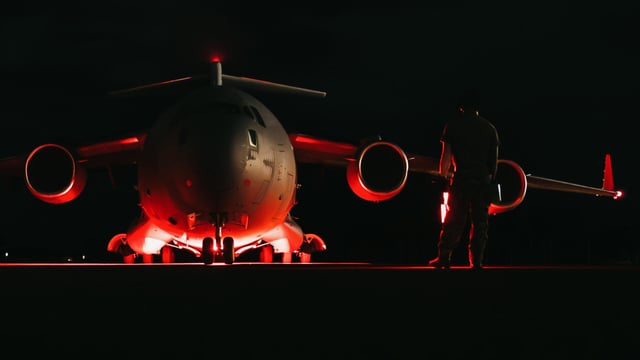
The movement of U.S. special operations units through the United Kingdom en route to Eastern Europe marks a significant military development amid escalating global tensions. As these elite forces transit via the UK, their undisclosed mission highlights the strategic link between NATO allies and underlines America’s commitment to security in the region.
Strategic Importance of the UK Transit
The United Kingdom has long served as a crucial waypoint for military operations, offering a strategic location that bridges the Atlantic to Europe. This latest transit by U.S. special operations units underscores the UK’s pivotal role in facilitating seamless military logistics and reinforcing NATO’s eastern flank. The specifics of their mission remain classified, but the passage of these units confirms ongoing collaborative defense efforts between the UK and the U.S.
Enhanced Military Readiness
As geopolitical tensions simmer, particularly in Eastern Europe, the rapid deployment capabilities of U.S. special operations forces become increasingly vital. Their arrival in the UK signals a readiness to respond swiftly to any crises that may erupt. This movement aligns with broader objectives to deter potential threats and to assure allies of the enduring U.S. commitment to European security.
The transit also highlights the adaptability and preparedness of American military forces to operate efficiently across multiple theaters. It exemplifies the adeptness of these units in conducting joint exercises and operations that bolster regional stability.
NATO Collaboration and Future Implications
This operation further emphasizes the depth of U.S.-UK military collaboration. As NATO allies, both nations are keen to maintain a robust defense posture, ensuring that they are prepared for any emergent threats. The presence of U.S. special operations units in the UK is a testament to this enduring partnership.
While the general public may not be privy to the specifics of the mission, such movements are indicative of strategic deterrence strategies employed by NATO. With various regional conflicts and threats, the anticipation is that these elite forces are poised to engage in a myriad of potential missions, from counter-terrorism to strategic reconnaissance.
The implications for future operations are significant. As these units continue their journey to Eastern Europe, they are likely involved in strengthening NATO’s defense structures and ensuring rapid response capabilities are at their highest levels.
This deployment hints at possible shifts in military focus towards Eastern European regions where tensions require a vigilant presence. It suggests that NATO is not only reactive but also proactively fortifying its defenses in the face of potential escalations.
In summary, the passage of U.S. special operations units through the UK underscores a broader strategic initiative aimed at maintaining global security amidst uncertain times. While discreet, such movements are pivotal in reinforcing alliances and showcasing military readiness and cooperation. As the global landscape continues to evolve, the actions and readiness of these units remain central to maintaining peace and stability in Europe and beyond.