 Kristina Vankova
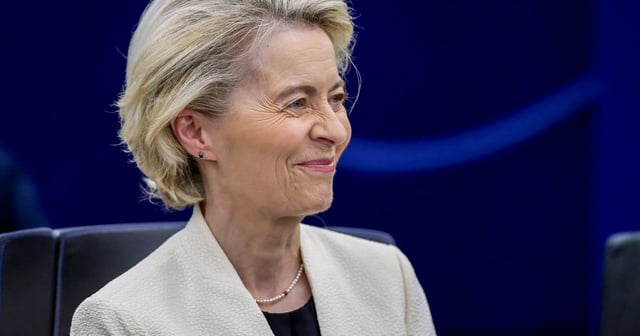
In a decisive moment for European politics, Ursula von der Leyen, President of the European Commission, successfully navigated a critical vote of no confidence. This victory not only solidifies her position as a leading figure in the European Union but also reaffirms the support of key stakeholders in the bloc amid turbulent political waters.
Background on the Vote
The vote came on the heels of mounting political tension across Europe, exacerbated by economic instability, migration challenges, and climate concerns. Von der Leyen, having held her position since the end of 2019, has faced both accolades and criticism during her tenure. This no-confidence vote, however, was seen as a significant test of her leadership and the Commission’s agenda.
Von der Leyen’s Commission has been under scrutiny for its policies on COVID-19 recovery, digital transformation, and the Green Deal. Opponents have been vocal about their dissatisfaction with the pace of reforms and the implementation of various directives, leading to the challenge of her leadership in this vote.
Key Factors Leading Up to the Vote
Several factors contributed to the initiation of the no-confidence vote against von der Leyen. Politically, there has been a rising tide of nationalism and euroscepticism within member states, which some argue has been fueled by the perception of a centralized European bureaucracy that is slow to address pressing national concerns.
Economically, the bloc has been grappling with the impacts of the pandemic, inflation pressures, and the need for a concerted economic strategy to facilitate sustainable recovery. These economic challenges have heightened political tensions, with different member states pushing for varied approaches and solutions, placing the Commission under pressure to perform.
The Role of Climate Policy
One of the contentious points has been the European Commission’s ambitious climate initiatives, encapsulated in the Green Deal, which aims to make Europe the first climate-neutral continent by 2050. While praised by environmental advocates, some member states have expressed concerns over the economic costs and implementation hurdles associated with these policies.
Support and Opposition
Von der Leyen’s ability to win the confidence vote can be attributed to strategic alliances and the underlying support from key European members who see continuity in her leadership as vital for the stability and progress of the European project.
- Support from Member States: Countries like Germany and France have backed her, valuing her commitment to cohesion and advocating for a united stance on global issues.
- Economic Recovery Plans: Proponents argue that her robust approach to economic recovery, especially post-COVID, offers a unified path forward for European economies.
- Climate Commitment: Despite concerns, many see her climate strategy as essential for Europe’s long-term sustainability goals.
Conversely, opposition centered around inefficiencies and dissatisfaction over her handling of various EU portfolios. Critics highlighted perceived inadequacies in dealing with migration crises and financial discrepancies in vaccine procurement during the height of the pandemic.
Implications of the Vote
Von der Leyen’s success in this vote of no confidence carries significant implications. Beyond stabilizing her leadership, it sets a precedent for how the European Commission might handle future challenges. It also showcases the complex interplay of national and supranational politics where the EU must balance distinct national interests with overarching continental priorities.
The result of the vote reinforces the notion of a united Europe and projects an image of resilience against rising fragmentation. This outcome is likely to empower von der Leyen to pursue her agenda with renewed vigor, pushing forward with her policy programs across digitalization, economy, and climate.
As Europe continues to address its multifaceted challenges, the Commission’s capacity to respond flexibly and efficiently to member states’ needs while maintaining unity will be crucial. Von der Leyen’s triumph underscores a crucial chapter in the ever-evolving story of European integration and governance.