 Vanda Svobodova
In a surprising twist for both collectors and law enforcement, Pokémon cards have become a prime target for thieves worldwide. As the demand for these nostalgic pieces of cardboard soars, fuelled by childhood memories and lucrative investment opportunities, thefts are increasing at an alarming rate.
Surge in Popularity
The resurgence in popularity of Pokémon cards isn’t merely a passing fad. Launched in the late 1990s, these cards have transformed from a playground craze into a multi-million dollar market. The primary drive behind this phenomenon includes Millennials seeking a slice of childhood nostalgia, investors eyeing profit, and the advent of social media influencers showcasing their collections online.
This renewed interest saw a significant spike during the lockdown periods, when more people turned to hobbies like collecting. Live-streamed unboxings and trading card game matches further propelled the market’s visibility, boosting both sales and the public’s interest to unprecedented levels.
Valuable Treasures for Thieves
The increase in market value naturally attracted unwanted attention. High-profile thefts of Pokémon cards have made headlines across the globe, with thieves targeting both major retailers and private collections. The sheer portability and high value of rare cards make them an attractive target. Unlike traditional collectibles, they can easily be concealed and swiftly moved into black-market channels.
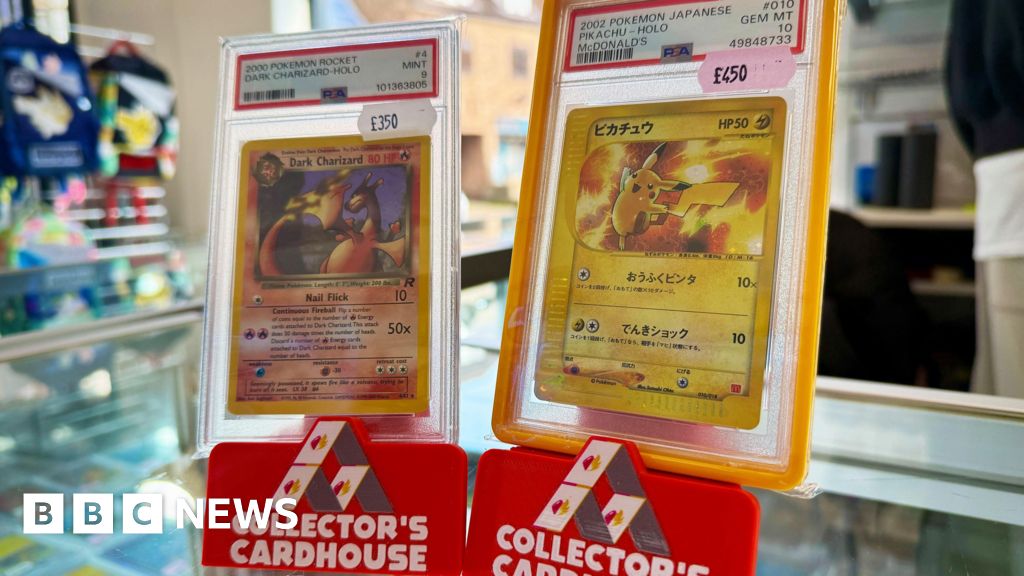
Some of the most sought-after cards, such as the first-edition Charizard or holographic cards from the Original Base Set, can fetch tens of thousands of dollars. One mint-condition card can equal the annual income of an average working adult, making it clear why theft is increasingly becoming an issue.
Not Just a Local Problem
- Reports from Canada to Australia highlight the global scope of this issue.
- Local hobby shops, often with less security than large franchises, are common targets.
- Online platforms are being used for rapid resale, complicating tracking and recovery efforts.
The Challenges for Law Enforcement
Police and security services face numerous challenges in combating Pokémon card theft. The anonymous nature of online transactions and secondary marketplaces provide thieves with a cloak of invisibility. Additionally, verifying ownership of recovered cards is often difficult, as collectors might not register their inventory or document ownership in a formal way.
Some retail stores have responded by implementing stricter security measures, such as locking valuable trading cards in glass cases and increasing surveillance. Yet, the transient nature of pop-up Pokémon card stands or stalls, that accompany larger conventions or events, remain a significant vulnerability.
Law enforcement agencies are also calling for more significant penalties and preventive measures for such crimes, emphasizing the importance of reducing demand through public awareness campaigns.
A Community on High Alert
The Pokémon card community, known for its passionate fan base, has banded together in response to this growing issue. Online forums are rife with discussions on protecting collections, from better storage solutions to tracking inventory digitally. This community-driven approach provides some hope for curbing theft.
Collectors are urged to maintain detailed records of their acquisitions, including identifying marks and photographs. Some have even turned to custom appraisers for authentication and valuation, ensuring their treasures’ integrity and provenance are well-documented.
The battle against Pokémon card theft illustrates both the nostalgia-driven resurgence and the cutthroat realities of today’s collectibles market. As collectors and law enforcement adapt, the struggle to protect these cherished items continues, serving as a modern reminder of the unexpected complexities in the ever-evolving world of collectibles.
, image: https://www.bbc.com/news/articles/c70lk3w9krxo