 Kristina Vankova
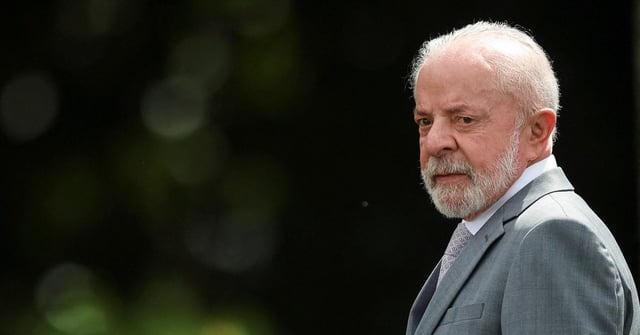
Luiz Inácio Lula da Silva, Brazil’s influential former president, recently issued a warning concerning potential United States intervention in Venezuela, reflecting mounting regional unease over the ongoing political turmoil in the neighboring country. Lula, known for his outspoken views on South American political dynamics, emphasized the importance of respecting Venezuelan sovereignty and cautioned against external interference, suggesting it could exacerbate an already volatile situation.
Regional Concerns About US Involvement
The statement by Lula highlights the growing anxiety among South American leaders regarding the influence of the United States in regional affairs, particularly in Venezuela, where political unrest has led to a humanitarian crisis. The United States, often seen as a significant player in regional geopolitics, has maintained a firm stance against Venezuela’s government, led by President Nicolás Maduro.
In recent years, the US has ramped up pressure on Maduro through economic sanctions and public support for opposition leader Juan Guaidó, whom the US and several other countries have recognized as Venezuela’s legitimate leader. However, Lula’s comments underline a widespread sentiment in Latin America around the risks of external intervention, which many fear could lead to further destabilization and conflict.
Lula’s Legacy and Influence
Lula, who served as Brazil’s president from 2003 to 2010, remains a prominent figure in Brazilian and regional politics. During his presidency, he forged strong diplomatic ties with Venezuela and advocated for a united Latin America, free from what he often described as overbearing foreign influence. His recent warnings continue this legacy, reiterating his position against what he perceives as undue US interference in regional matters.
Lula’s remarks come amidst heightened tensions as the Venezuelan government faces international pressure over alleged human rights abuses and the erosion of democratic institutions. While the United States has positioned itself as a proponent of democracy in Venezuela, critics argue that its interventions are often driven by strategic interests rather than genuine concern for the Venezuelan people.
Calls for Sovereignty and Regional Dialogue
In his address, Lula urged for a solution to be found through peaceful, internal dialogue rather than foreign involvement. He argued that the people of Venezuela must be the ones to decide their country’s future, free from international interference. This stance is echoed by several Latin American leaders who advocate for a regional, rather than foreign-imposed, approach to resolving the crisis.
As the crisis in Venezuela continues, the call for dialogue and negotiation grows stronger. Many Latin American countries, alongside organizations such as the Union of South American Nations (UNASUR), propose mediation efforts to foster dialogue between the Venezuelan government and opposition forces.
The situation in Venezuela remains complex, with severe economic problems and widespread shortages of basic goods exacerbating the already dire humanitarian condition. As ordinary Venezuelans continue to bear the brunt of these issues, the international community watches closely, weighing the balance between intervention and respect for national sovereignty.
Lula’s comments are timely, urging restraint and prompting a re-examination of strategies towards Venezuela. Moving forward, the effectiveness of regional diplomatic efforts and the role of international powers in resolving the crisis will remain critical topics of discussion among policymakers and global leaders.
The challenges facing Venezuela underscore broader questions about national sovereignty, regional autonomy, and the appropriate role of powerful nations like the United States in influencing the political landscapes of other countries. Lula’s warning serves as a poignant reminder of the complex and often contentious nature of these geopolitical dynamics.