Dark
Light

Czech Sauna Culture. The Timeless Tradition of Czech Bathhouse

12 mins read
25K views

The Health Benefits of Czech Spa Culture

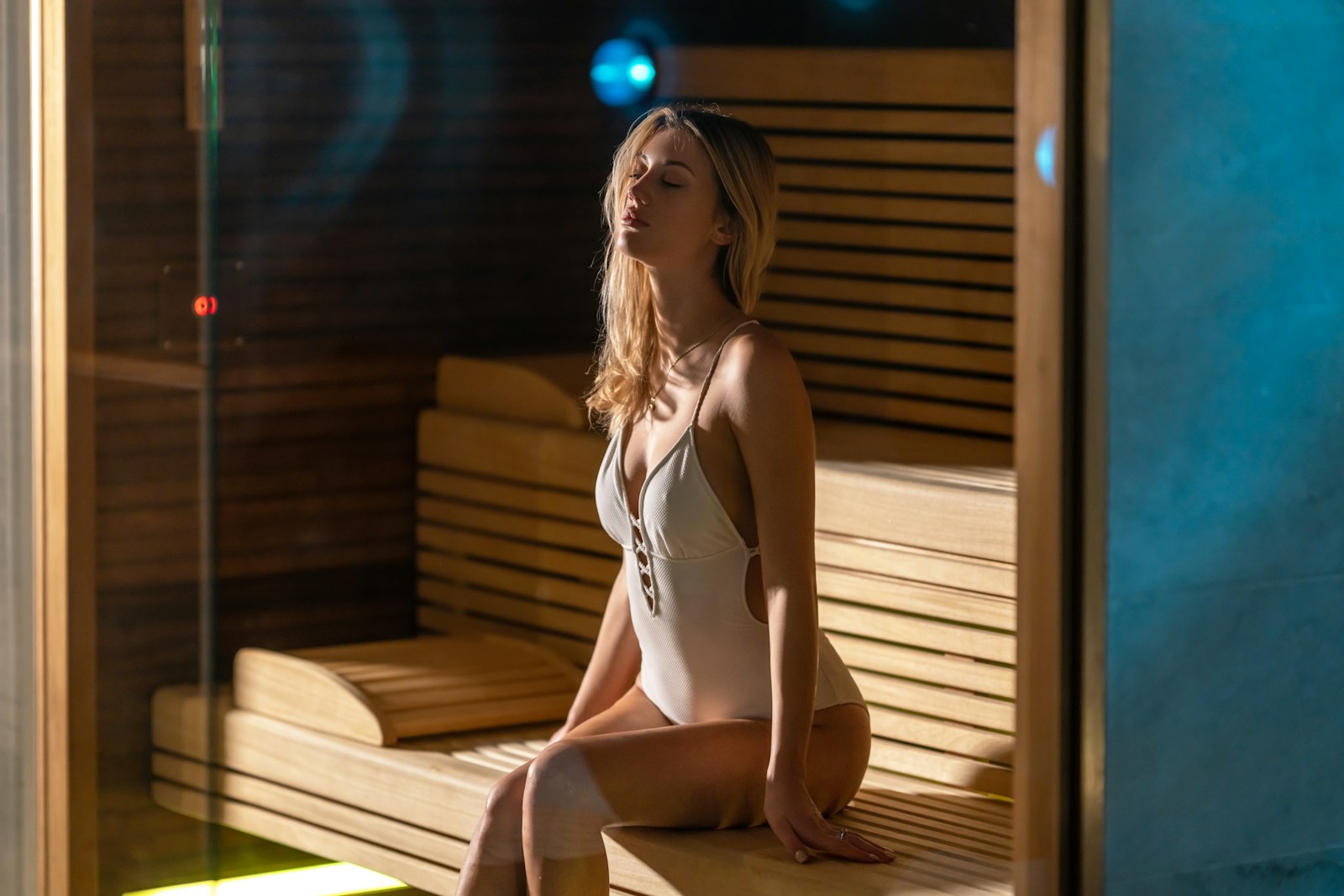
Nestled in the heart of Europe, the Czech Republic is renowned for its rich spa culture, offering visitors a unique and beneficial experience for both body and mind. The healing properties of the country’s natural mineral springs have been known for centuries, attracting people from all over the world seeking respite from ailments and rejuvenation. Czech spa culture places a strong emphasis on health and wellness, with a wide range of treatments and therapies available to address various conditions. Modern saunas in these spas allow for the control and customization of both temperature and humidity levels, creating an optimal sauna environment. Additionally, in European spas, it is often mandatory to be nude in sauna and steam room areas for hygienic reasons, ensuring cleanliness and health considerations are maintained.

The Timeless Tradition of Czech Spa Culture

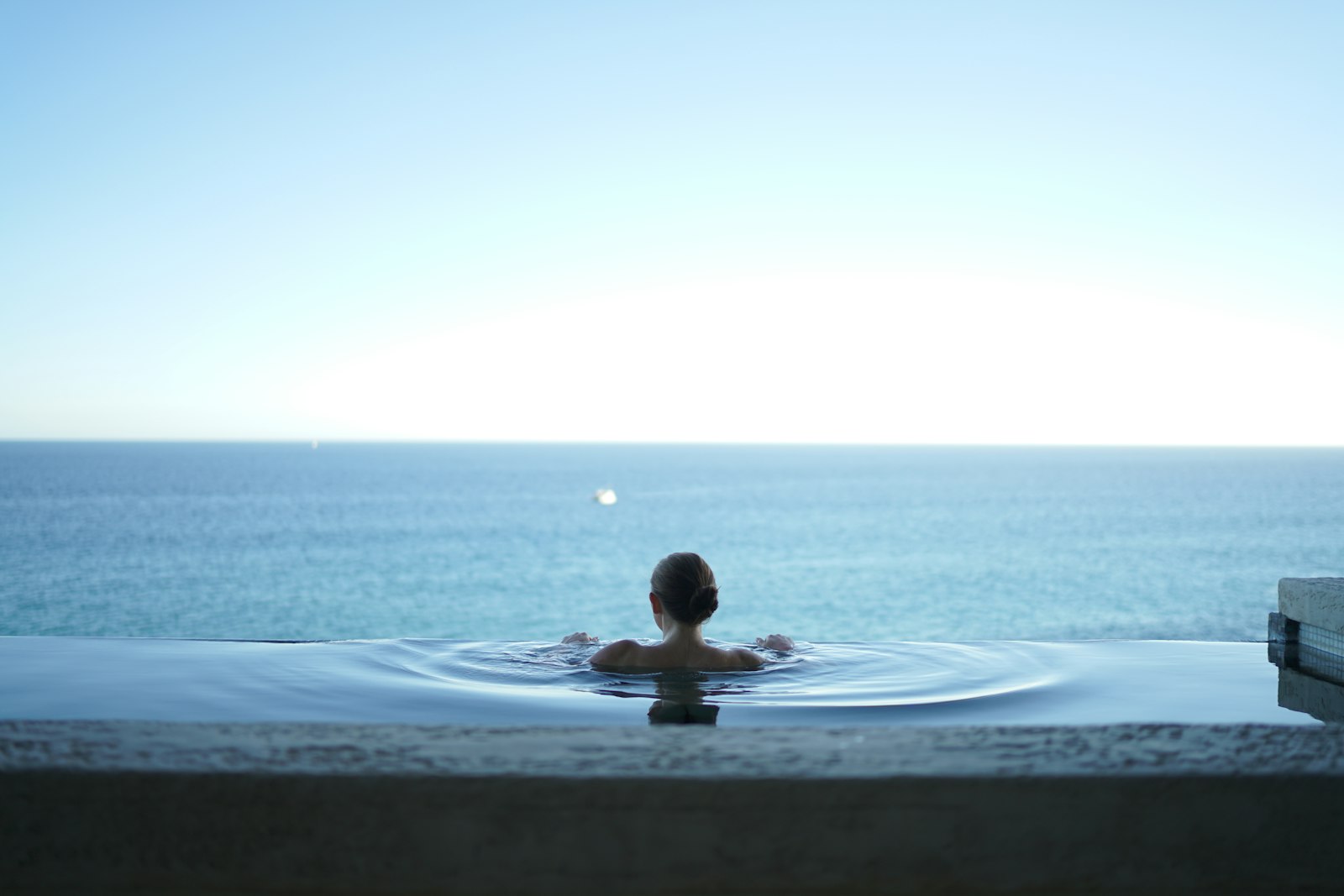
One of the key health benefits of Czech spa culture lies in the mineral-rich waters found in abundance throughout the country. These natural springs, containing an array of essential minerals such as calcium, magnesium, and sulfur, have been lauded for their therapeutic effects on the body. Immersing oneself in these healing waters is believed to enhance circulation, reduce inflammation, and relieve pain associated with conditions such as arthritis and rheumatism. Moreover, the high mineral content of the springs nourishes the skin, leading to improved complexion and overall vitality. In addition to the mineral-rich waters, the use of a sauna can further enhance circulation, reduce inflammation, and provide a relaxing environment, contributing to the overall wellness experience.

The Historical Origins of Czech Spa Culture

The roots of Czech spa culture can be traced back centuries, to a time when the healing properties of natural springs were discovered and revered. The therapeutic benefits of these springs were known to ancient civilizations who considered them to be a precious gift from the gods. It was the Romans, however, who first recognized the potential of these mineral-rich waters and introduced the concept of bathing for health and relaxation.

Over the years, Czech spa culture evolved and flourished, influenced by different cultures and historical events. During the Middle Ages, monasteries played a significant role in maintaining and developing spa treatments, with monks being the caretakers of the healing springs. The spa treatments were believed to not only cure physical ailments but also cleanse the soul. As the reputation of Czech spas spread, the nobility and wealthy elite began to visit these natural havens, seeking respite and rejuvenation.

Through centuries of turmoil and change, Czech spa culture has persevered as a cherished tradition. The healing powers of the country’s natural springs have continued to attract visitors from all over the world, seeking relief from various health conditions or simply seeking a moment of tranquility. Today, Czech spas are renowned for their exceptional service, world-class facilities, and a wide range of traditional and innovative treatments that cater to the needs of individuals seeking wellness and relaxation.

Understanding Czech Sauna Etiquette: A Guide to Sauna Rules in the Czech Republic

Saunas hold a cherished place in Czech wellness culture, offering a sanctuary for relaxation and rejuvenation. To fully appreciate this experience, it’s essential to familiarize yourself with the local sauna rules and etiquette that reflect the Czech approach to communal bathing.


Nudity and Towel Etiquette

In the Czech Republic, saunas are typically enjoyed nude. This practice is rooted in hygiene and comfort, as swimwear can trap sweat and bacteria. While nudity is the norm inside the sauna, modesty is respected:

  • Use a Towel: Sit or lie on a towel inside the sauna to keep the benches clean.
  • Covering Up: When moving between areas, you may wrap yourself in a towel or robe.
  • Comfort First: If you’re uncomfortable with full nudity, some facilities offer designated times or areas where swimwear is acceptable. Always check with the venue beforehand.

Co-ed Facilities and Privacy

Many Czech saunas are co-ed, meaning men and women share the same spaces. This communal approach emphasizes a relaxed and natural environment.

  • Respect Personal Space: Maintain a respectful distance from other guests.
  • Quiet Environment: Keep conversations low and avoid disruptive behavior to preserve the tranquil atmosphere.
  • Private Options: If you prefer more privacy, seek out facilities that offer women-only or men-only sessions.

Pre-Sauna Rituals

Hygiene is paramount in Czech saunas.

  • Shower Before Entering: Always shower thoroughly before your sauna session to remove any lotions, perfumes, or sweat.
  • Remove Accessories: Leave jewelry and watches in the locker room, as metal can become uncomfortably hot.

Inside the Sauna

Maximize your comfort and the benefits of the sauna by following these guidelines:

  • Time Limits: Limit your time in the sauna to about 15 minutes per session.
  • Listen to Your Body: If you feel dizzy or uncomfortable, exit the sauna calmly.
  • Stay Hydrated: Drink water between sessions to stay hydrated.

Cooling Down

After each sauna session, it’s customary to cool down:

  • Cold Showers or Plunge Pools: Use the facilities provided to lower your body temperature gradually.
  • Rest Periods: Allow time to rest between sessions, giving your body a chance to adjust.

Footwear and Facility Rules

  • Barefoot or Slippers: Some saunas require you to be barefoot or wear special slippers for hygiene reasons.
  • Follow Posted Guidelines: Each facility may have its own specific rules. Always observe and adhere to any posted signs or instructions from staff.

Respect and Courtesy

Above all, respect for fellow guests and the facility ensures a pleasant experience for everyone.

  • Keep Noise to a Minimum: Embrace the peaceful environment by speaking softly.
  • Avoid Strong Scents: Refrain from using strong perfumes or scents that might affect others.
  • Dispose of Waste Properly: Use designated bins and keep the area tidy.

By understanding and respecting these customs, you’ll not only enhance your own experience but also honor the traditions that make Czech saunas a unique and cherished practice. Whether you’re a local or a visitor, embracing these guidelines will help you relax and fully enjoy the soothing benefits of the sauna.

Famous Czech Spa Towns and Resorts

The Czech Republic is renowned for its numerous spa towns and resorts, attracting visitors from all over the world seeking relaxation and rejuvenation. One of the most well-known spa towns is Karlovy Vary, also known as Carlsbad. This picturesque town is famous for its hot springs, which have been used for therapeutic purposes since the 14th century. With its beautiful architecture, stunning natural surroundings, and a wide range of wellness facilities, including massage rooms, Karlovy Vary offers a truly enchanting spa experience.

Another popular spa destination in the Czech Republic is Marianske Lazne, or Marienbad. This elegant town is nestled amidst lush forests and offers a serene setting for visitors to unwind. Marianske Lazne is known for its mineral-rich springs, which are believed to have healing properties. From traditional spa treatments to modern wellness innovations, this town provides a holistic approach to well-being. With its grand hotels, charming parks, and soothing atmosphere, including a relaxation room where guests can unwind between treatments, Marianske Lazne is a haven for those seeking tranquility and health.

Top Spa Destinations in the Czech Republic: Where to Relax and Rejuvenate

The Czech Republic is renowned for its rich spa traditions, offering a blend of natural healing resources and luxurious facilities. From historic spa towns to modern wellness centers, here are some of the top places you should visit for an unforgettable spa experience.


1. Karlovy Vary (Carlsbad)

Known as the jewel of Czech spa towns, Karlovy Vary boasts over a dozen thermal springs and a rich history of healing.

  • Thermal Springs: Famous for its hot springs with mineral-rich waters ideal for treating digestive and metabolic disorders.
  • Elegant Architecture: Stroll through colonnades and admire the stunning Baroque and Art Nouveau buildings.
  • Spa Treatments: Indulge in traditional treatments like mineral baths, drinking cures, and peat wraps.

2. Mariánské Lázně (Marienbad)

Nestled in a lush valley, Mariánské Lázně offers a serene environment and over 40 mineral springs.

  • Healing Waters: The springs are known for treating kidney and urinary tract issues.
  • Cultural Attractions: Enjoy the Singing Fountain and beautiful parks that host concerts and events.
  • Wellness Services: Experience a range of therapies, including gas baths and mud packs.

3. Františkovy Lázně (Franzensbad)

This charming town is recognized for its sulfurous springs and tranquil ambiance.

  • Mineral Springs: Specializes in treatments for cardiovascular and gynecological conditions.
  • Historic Charm: Explore well-preserved neoclassical buildings and peaceful gardens.
  • Spa Facilities: Offers peat moss baths, carbon dioxide treatments, and more.

4. Teplice

One of the oldest spa towns in Central Europe, Teplice combines historical allure with therapeutic benefits.

  • Therapeutic Waters: Ideal for musculoskeletal and neurological ailments.
  • Cultural Heritage: Visit landmarks like the Botanical Garden and the Regional Museum.
  • Modern Amenities: Enjoy contemporary spa services alongside traditional treatments.

5. Jáchymov

Famed for being the world’s first radon spa, Jáchymov provides unique healing experiences.

  • Radon Therapy: The spa treatments here are believed to alleviate pain and improve joint mobility.
  • Historical Sites: Discover the town’s mining history and architectural landmarks.
  • Customized Programs: Offers personalized treatment plans under medical supervision.

6. Luhačovice

Set in the scenic White Carpathians, Luhačovice is known for its natural springs and folk architecture.

  • Mineral Springs: The Vincentka spring is particularly noted for respiratory and digestive benefits.
  • Art Nouveau Architecture: Admire buildings designed by Slovak architect Dušan Jurkovič.
  • Cultural Events: Participate in music festivals and enjoy performances at the local theater.

7. Prague’s Luxury Spas

The capital city isn’t just about history and nightlife; it also offers top-notch spa facilities.

  • Urban Wellness: Find respite in luxurious hotel spas and specialized wellness centers.
  • Diverse Treatments: From beer baths to Thai massages, there’s something for everyone.
  • Convenient Location: Perfect for combining sightseeing with relaxation.

Tips for Your Spa Visit

  • Advance Booking: Popular spas can fill up quickly, so it’s wise to reserve treatments ahead of time.
  • Etiquette Awareness: Familiarize yourself with local spa customs, such as sauna protocols and dress codes.
  • Health Consultations: Consider consulting with spa medical staff to tailor treatments to your needs.

Whether you’re seeking therapeutic treatments or a peaceful getaway, the Czech Republic offers a variety of spa destinations to soothe your body and soul. Embrace the country’s spa heritage and rejuvenate amidst beautiful landscapes and historic settings.

Traditional Czech Spa Treatments, Therapies, and Sauna

One of the highlights of Czech spa culture are the traditional spa treatments and therapies that have been practiced for centuries. These treatments are deeply rooted in the country’s rich history and are known for their effectiveness in promoting health and well-being. Visitors to Czech spa towns can indulge in these relaxing and therapeutic baths, immersing themselves in the healing waters and experiencing a sense of calm and rejuvenation. Additionally, the use of saunas and steam rooms in traditional Czech spa treatments is highly valued for its relaxation and health benefits, similar to the mineral baths.

One popular traditional spa treatment in Czech culture is the famous mineral bath. These baths utilize the healing properties of the country’s abundant mineral springs, which are believed to have rejuvenating effects on the body. The mineral-rich waters are believed to help alleviate various ailments, such as arthritis and respiratory conditions, and are often combined with other therapies, such as massages or wraps, to enhance their benefits. In saunas, the practice of pouring water onto heated rocks creates steam, enhancing the sauna experience and contributing to the overall sense of relaxation and purification.

The Role of Natural Resources in Czech Spa Culture

Czech Spa Culture owes much of its fame and success to the abundance of natural resources that can be found throughout the country. From mineral-rich springs to unique geological formations, these resources have played a vital role in the development and popularity of Czech spa towns and resorts.

The mineral waters found in Czech spas are particularly renowned for their therapeutic properties. Rich in minerals such as calcium, magnesium, and sulfur, these waters have been used for centuries to treat a wide range of ailments, including joint and muscle pain, skin conditions, and respiratory problems. Visitors often take part in drinking cures or immerse themselves in mineral baths, allowing the healing properties of the water to work their magic. Additionally, the unique geological formations in Czech spa regions, such as rock salt caves and peat bogs, provide additional natural resources that are utilized in various spa treatments and therapies. These resources, combined with expert medical and wellness professionals, create the perfect conditions for rejuvenation and relaxation, making Czech spa culture a truly unique and beneficial experience.

Cultural and Social Aspects of Czech Spa Culture

Czech spa culture encompasses not only the physical health benefits, but also the cultural and social aspects that make it a unique and cherished tradition. Beyond the healing waters and therapeutic treatments, Czech spas hold a special place in the hearts of locals and visitors alike. In contrast to German saunas, where co-ed nudity and relaxed etiquette are common, Czech spas tend to have more modest customs and a different approach to sauna etiquette.

One notable social aspect of Czech spa culture is the sense of community that is fostered within these tranquil settings. Sauna culture in various countries highlights the communal and therapeutic aspects of saunas, and Czech spas are no exception. Spa towns and resorts provide a haven for people to come together, relax, and connect with one another. The shared experience of indulging in spa treatments and enjoying the serene surroundings creates a bond among guests, leading to friendships and connections that often last long after the visit is over. Additionally, many Czech spas offer a range of cultural activities, such as concerts, art exhibitions, and traditional performances, further enhancing the social experience for visitors.

The Importance of Wellness and Relaxation in Czech Spa Culture

Wellness and relaxation are of paramount importance in the Czech spa culture. Many people visit Czech spa towns and resorts to escape the stresses of everyday life, seeking a tranquil and rejuvenating experience. The emphasis on wellness and relaxation in Czech spa culture is rooted in the belief that taking care of one’s physical and mental well-being is essential for a balanced and fulfilling life.

Czech spa treatments and therapies are designed to promote relaxation and restore balance to the body and mind. From soothing mineral baths to invigorating massages, each treatment is carefully tailored to provide a sense of well-being and enhance overall health. The serene natural surroundings of the Czech spa towns further contribute to the calming atmosphere, allowing visitors to fully immerse themselves in a state of relaxation.

Czech Spa Culture as a Tourist Attraction

Czech Spa Culture has been attracting tourists from around the world for decades. With its rich history, natural beauty, and renowned wellness treatments, it is no wonder that so many people flock to this destination for a rejuvenating getaway. Wellness centers are integral facilities providing various relaxation and healing services, particularly saunas, which add to the appeal of this destination.

The allure of Czech Spa Culture lies not only in the therapeutic benefits of the treatments but also in the unique experience it offers. Tourists can immerse themselves in the peaceful surroundings of picturesque spa towns, where historical buildings and stunning create a serene ambiance. The combination of restorative therapies, such as mineral baths and massages, along with the tranquil environment, provides visitors with a holistic approach to relaxation and well-being. Moreover, the warm hospitality of the local people enhances the overall experience, making tourists feel welcomed and embraced by the culture.

The sauna world has seen significant advancements in sauna types and rituals, with international recognition of sauna masters. Competitions like the Sauna Herbal Cup and SaunaFest celebrate this culture, highlighting the growth of specific sauna practices that incorporate natural ingredients and various styles to enhance the sauna experience.

The Economic Impact of Czech Spa Culture

Czech spa culture, with its rich history and therapeutic treatments, has not only become a vital aspect of wellness and relaxation but has also made a significant impact on the country’s economy. The numerous spa towns and resorts scattered across Czech Republic attract a considerable number of tourists and visitors each year. This influx of people brings about a boost in various sectors, such as hospitality, tourism, and retail, stimulating economic growth. Additionally, the spa industry itself contributes to job creation and employment opportunities, offering positions in hotels, restaurants, spas, and other related businesses.

The economic impact extends beyond immediate revenue generation. Czech spa culture has also played a crucial role in regional development by promoting investments in infrastructure, including the construction and renovation of spa facilities, hotels, and transportation systems. Moreover, the growth of spa tourism has created a demand for local products and services, further benefiting the local economy by supporting small-scale enterprises and promoting the sale of indigenous products. The economic prosperity fostered by Czech spa culture also contributes to the preservation and maintenance of historic buildings and cultural heritage, ensuring a sustainable and thriving environment for future generations.

Preserving and promoting Czech Spa Culture is of utmost importance to ensure its continued success and relevance in the modern world. One way to achieve this is through the preservation and renovation of historical spa buildings and facilities. These iconic structures not only hold significant cultural and architectural value, but they also serve as a reminder of the rich history and traditions of Czech spa culture. By investing in the restoration of these sites, we can create a tangible link between the past and the present, allowing future generations to appreciate and learn from the heritage of Czech spa culture.

In addition to preserving physical structures, efforts should also be made to promote Czech spa culture on a global scale. Part of this involves marketing and tourism campaigns that highlight the unique experiences and benefits offered by Czech spas. By showcasing the unmatched beauty of natural resources, such as mineral springs and thermal waters, and emphasizing the therapeutic properties of traditional spa treatments, we can attract visitors from around the world. Moreover, collaborations with wellness and travel industries, as well as participation in international conferences and exhibitions, can help raise awareness and cement Czech spa culture as a premier destination for relaxation and rejuvenation.

Jan Nettig

Jan Nettig

Jan Nettig is a distinguished journalist renowned for his incisive reporting across politics, technology, and culture. With a career marked by clarity and depth, Jan's work resonates with a wide audience, showcasing his commitment to truth and engaging storytelling.

Leave a Reply

Previous Story

Czech Easter Traditions Pomlázka, Kraslice, and More

Next Story

Czech Mushrooms: A Beloved Pastime of Mushroom Hunting in Czech Republic

Latest from Czech Culture and Traditions