 Jan Nettig
The Rich History of Svíčková: Czech Republic’s Creamy Delight
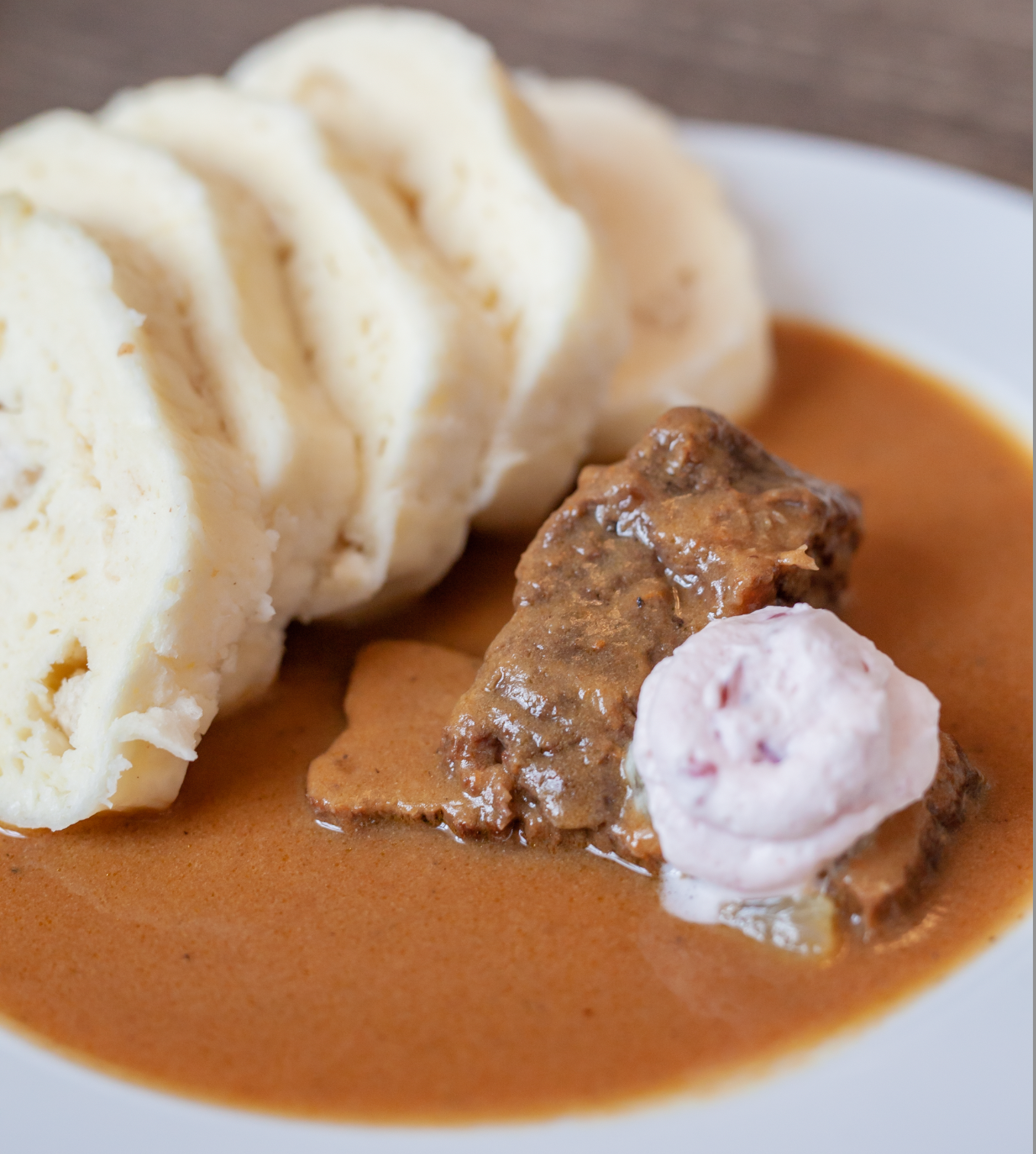
Svíčková, the iconic Czech dish, has a rich history tracing back to the 19th century. Its origins date to the Austro-Hungarian Empire, when Czech cuisine absorbed influences from neighboring countries. This convergence of culinary traditions birthed Svíčková, a creamy delight now a staple in Czech households and a beloved symbol of national cuisine.
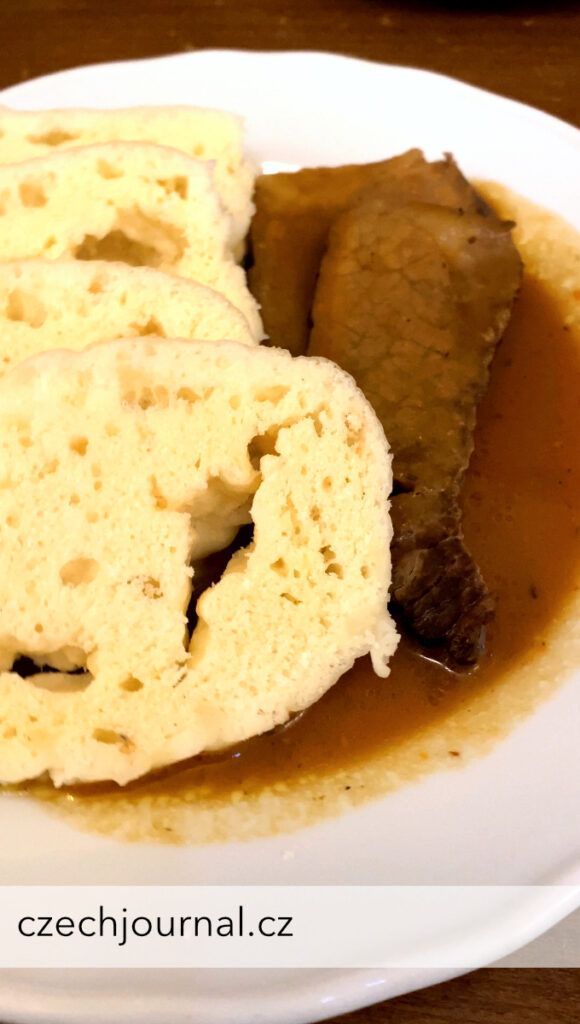
At its core, Svíčková is a tender beef roast smothered in a luscious cream sauce. The sauce is often enhanced with:
- Lemon zest
- Caraway seeds
- A touch of sugar
The dish gets its unique flavor from a marinating process lasting several hours, allowing the meat to absorb all the aromatic goodness. The result is a harmonious blend of flavors that delights the palate with each bite.
Svíčková has stood the test of time, retaining its popularity and significance in Czech culture. It is a must-try dish for both locals and visitors seeking an authentic taste of the Czech Republic.
Svíčková recipe
Here’s a recipe for Svíčková na smetaně based on the materials provided in the link:
Ingredients:
- 1 kg of beef sirloin (Svíčková)
- 2 large carrots
- 1 large parsley root
- 1 small piece of celery root (about 100g)
- 2 large onions
- 100g bacon (optional)
- 100g butter or oil
- 2-3 bay leaves
- 5-6 allspice berries
- 5-6 peppercorns
- 1-2 tablespoons of sugar
- 1 tablespoon of mustard
- 2-3 tablespoons of vinegar
- 200 ml of sour cream (or heavy cream)
- 1-2 tablespoons of flour (for thickening)
- Salt, pepper to taste
- 1 lemon (optional, for final taste adjustment)
- Water or beef broth (about 500 ml)
- Dumplings or bread (for serving)
Instructions:
- Preparation of Meat and Vegetables:
- Clean the beef sirloin and season it with salt and pepper.
- Dice the carrots, parsley root, celery root, and onions into small pieces.
- If using bacon, cut it into small cubes.
- Browning the Meat:
- In a large pot, melt the butter (or heat the oil). Add the bacon cubes and sauté until they release their fat.
- Add the beef sirloin to the pot and sear it on all sides until browned. Once browned, remove the meat from the pot and set it aside.
- Cooking the Vegetables:
- In the same pot, add the diced onions and sauté until golden brown.
- Add the carrots, parsley root, and celery root. Continue to sauté the vegetables until they start to soften.
- Sprinkle the sugar over the vegetables and let it caramelize slightly. Stir in the mustard.
- Simmering:
- Return the beef sirloin to the pot. Add the bay leaves, allspice, and peppercorns.
- Pour in the vinegar and enough water or beef broth to cover the meat halfway. Bring to a simmer.
- Cover the pot and let it simmer on low heat for about 2-3 hours, or until the meat is tender. Check occasionally and add more liquid if needed.
- Making the Sauce:
- Once the meat is tender, remove it from the pot and set it aside.
- Remove the bay leaves, allspice, and peppercorns from the vegetable mixture.
- Use an immersion blender or a regular blender to puree the vegetables into a smooth sauce. If the sauce is too thick, add some more water or broth.
- Stir in the flour to thicken the sauce. Let it cook for a few minutes to remove the raw flour taste.
- Gradually add the sour cream or heavy cream to the sauce, stirring constantly.
- Season the sauce with salt, pepper, and a squeeze of lemon juice if you like a slightly tangy flavor.
- Serving:
- Slice the beef sirloin and place it on a plate.
- Pour the creamy vegetable sauce over the meat.
- Serve with traditional Czech bread dumplings (knedlíky) or fresh bread on the side.
Tips:
- For an even richer flavor, you can marinate the meat overnight with the vegetables and spices before cooking.
- Adjust the thickness of the sauce by adding more or less flour according to your preference.
Enjoy your delicious Svíčková na smetaně!
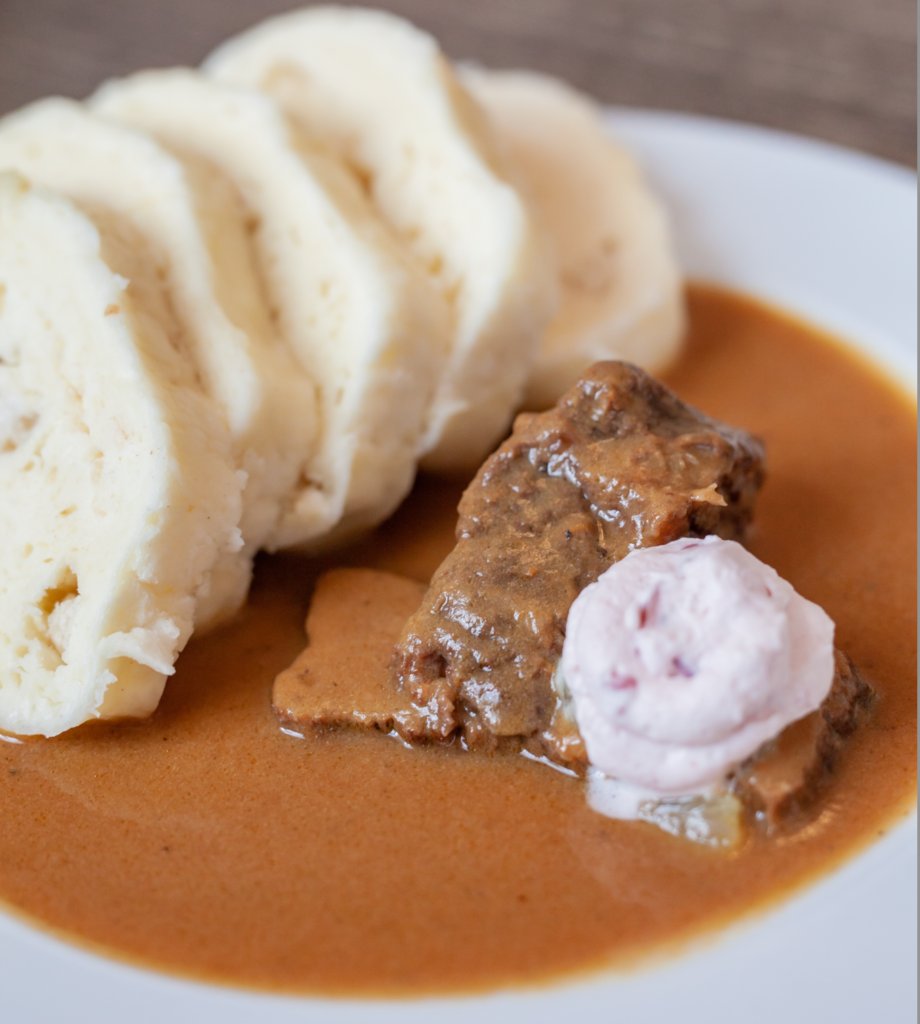
Unveiling the Origins of Svíčková: A Traditional Czech Dish
Svíčková, with its rich and creamy flavors, is a beloved traditional Czech dish that has been enchanting taste buds for generations. This iconic dish has a fascinating history that dates back centuries, reflecting the rich culinary heritage of the Czech Republic. While the exact origins of svíčková are somewhat shrouded in mystery, it is widely believed to have originated in the noble households of Bohemia, where it was served as a luxurious delicacy.
The word “svíčková” is derived from the Czech word svíčka, which means candle and refers to the shape of the sirloin used in the dish. Traditionally, svíčková is made with marinated beef sirloin, slow-cooked until tender, and served with a creamy sauce made from the strained marinade.
The sauce is flavored with:
- Root vegetables like carrots, parsley root, and celeriac
- Onions and garlic
A dollop of whipped cream adds a luxurious finish to this classic Czech dish.
- Svíčková is a traditional Czech dish enjoyed for generations.
- Its exact origins are somewhat unknown but believed to have originated in the noble households of Bohemia.
- The word “svíčková” comes from svíčka, meaning candle.
- The sauce is made from the strained marinade and flavored with aromatic ingredients.
This makes svíčková a beloved and indulgent dish.
Understanding the Ingredients: Exploring the Key Components of Svíčková
Svíčková, a traditional Czech dish, is known for its rich and creamy flavors. To truly understand this delectable dish, it is important to explore its key components.
At the heart of svíčková lies the marinated beef sirloin, the star ingredient. This tender and succulent cut of meat is typically marinated in a mixture of:
- Root vegetables
- Herbs
- Spices
- Vinegar
The marination process not only enhances the flavors but also tenderizes the beef, resulting in a melt-in-your-mouth texture.
Another essential component is the velvety sauce. Made from the marination liquid and enriched with:
- Heavy cream
- Flour
- Vegetable broth
The sauce adds a luxurious touch. Infused with bay leaves, allspice, and cloves, it imparts a subtle yet distinct aroma.
When combined with traditional Czech dumplings and cranberry compote, svíčková truly comes to life. The dumplings, made from flour, eggs, milk, and yeast, offer a soft and doughy accompaniment. The sweet-tart cranberry compote adds a burst of brightness, balancing out the creamy richness.
Together, these components create a symphony of flavors and textures, making svíčková a remarkable culinary delight.
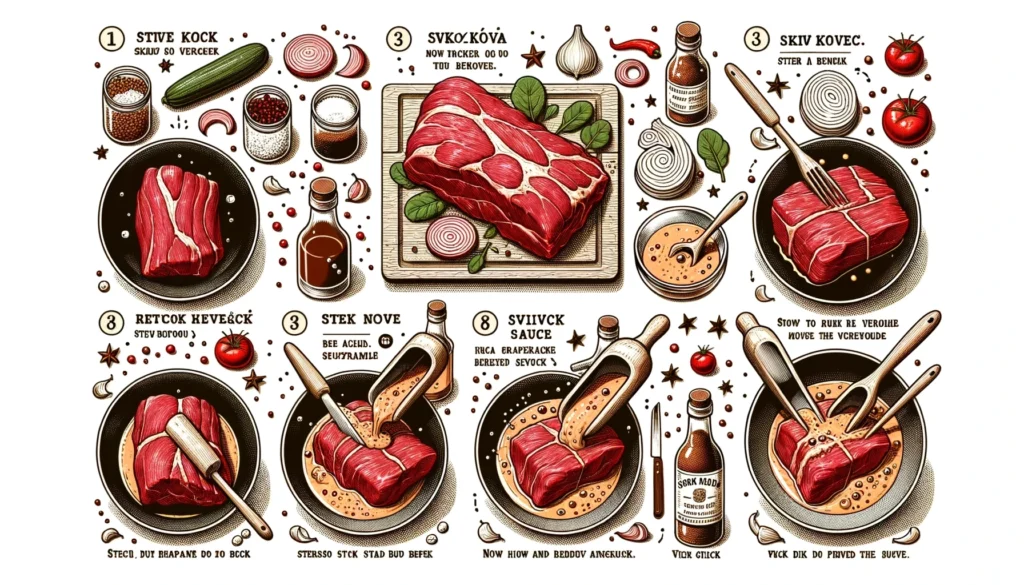
A Step-by-Step Guide to Cooking Svíčková: From Preparation to Plating
To truly indulge in the delightful flavors of Svíčková, it is essential to master the art of preparing and cooking this traditional Czech dish. The process may seem intricate, but with a step-by-step guide, you can create a dish that will impress even the most discerning palates.
Firstly, begin by marinating the beef. This step is crucial as it infuses the meat with a flavorful blend of spices and ensures it remains tender. The traditional marinade consists of:
- Vegetables: carrots, onions, and celery
- Aromatic herbs: bay leaves and thyme
The beef should be fully submerged in the marinade and left to soak for at least 12 hours.
Once the marinating process is complete:
- Sear the meat on high heat to seal in the flavors.
- Transfer it to a pot with the marinade.
- Slow-cook the beef for several hours until tender.
While the beef simmers, prepare the creamy sauce by:
- Blending the cooked vegetables from the marinade
- Adding sour cream, flour, and a touch of sugar
This velvety sauce adds a delightful richness and perfectly complements the tender beef.
Finally, slice the cooked beef, plate it, and generously drizzle the creamy sauce over the top. In true Czech tradition, Svíčková is often accompanied by:
- Dumplings
- Cranberry sauce
- A garnish of fresh lemon and parsley
With this step-by-step guide, you are now equipped to create a plate of Svíčková that not only looks visually appealing but also tantalizes the taste buds with its harmonious blend of flavors.
The Art of Marinating: Enhancing the Flavors of Svíčková
Marinating is an essential step in preparing Svíčková, a traditional Czech dish known for its rich and flavorful taste. The art of marinating lies in the careful selection and combination of ingredients, as well as the proper technique to enhance the flavors of the meat.
The process involves:
- Immersing the beef in a marinade mixture that typically includes vinegar, spices, vegetables, and sometimes even beer or other alcoholic beverages.
- Leaving the meat to marinate for several hours or overnight, allowing the flavors to penetrate and tenderize the beef, resulting in a melt-in-your-mouth texture.
Key ingredients in the marinade include:
- Root vegetables: carrots, celery, and onions, which lend subtle sweetness and depth of flavor.
- Aromatic herbs: bay leaves, thyme, and rosemary, which infuse the meat with fragrance.
- Garlic: brings its characteristic pungent taste.
- Lemon zest or juice: adds a refreshing zing.
The combination of these ingredients creates a complex and harmonious flavor profile that makes Svíčková truly stand out. Expert chefs emphasize the importance of adjusting the balance of flavors in the marinade, ensuring that the acidity, sweetness, and savory elements complement each other perfectly.
Exploring Variations: Different Regional Takes on Svíčková
Czech cuisine is known for its rich and diverse flavors, and Svíčková is no exception. This traditional Czech dish has a long history and has evolved over time, resulting in various regional variations across the country. Each region puts its own unique twist on Svíčková, making it an exciting culinary adventure for food enthusiasts.
In Bohemia, the western part of the Czech Republic, the traditional Svíčková is typically made with:
- Beef sirloin marinated in a mixture of root vegetables, herbs, and spices.
- The marinated meat is slow-cooked until tender.
- Served with a creamy sauce made from the marinating liquid, sour cream, and a touch of lemon zest.
This version is often accompanied by:
- A generous serving of bread dumplings, known as knedlíky.
- Garnished with a dollop of cranberry sauce for a balance of flavors.
It is considered the classic rendition of Svíčková and is widely loved by locals and visitors alike.
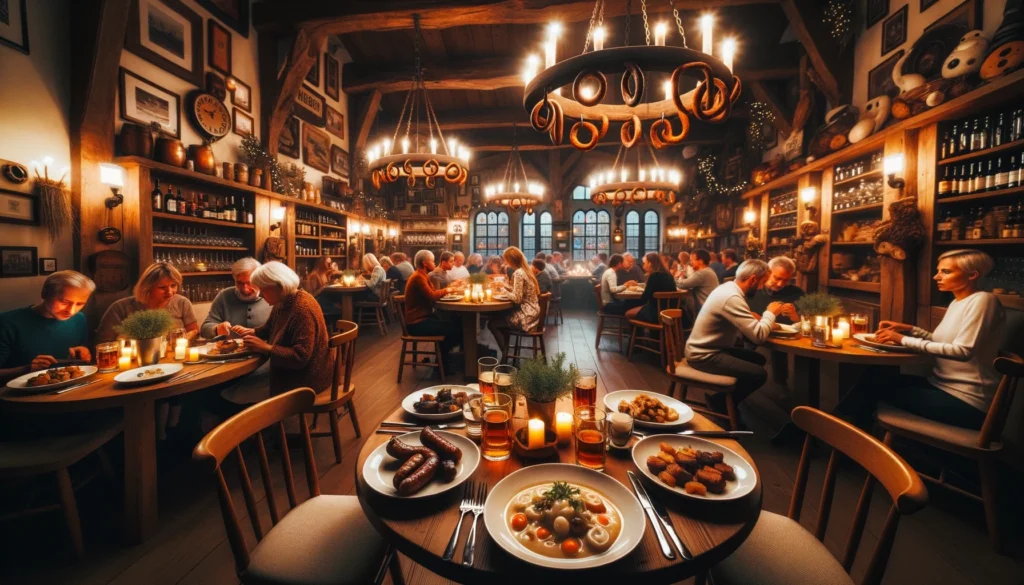
Perfect Pairings: Discovering the Ideal Accompaniments for Svíčková
Svíčková, the traditional Czech dish known for its tender beef and velvety cream sauce, pairs harmoniously with a variety of accompaniments that elevate its flavors and textures. To complement its richness, consider these subtle and complementary side dishes:
- Traditional Czech bread dumplings (knedlíky): These soft and fluffy dumplings provide a delicate, absorbent base for the luscious sauce, soaking up every drop of its creamy goodness. Their simplicity harmonizes with the complex flavors of Svíčková, enhancing the overall dining experience.
- Cranberry sauce: The fruity sweetness and vibrant acidity of cranberries contrast beautifully with the rich and savory flavors of the dish, adding a burst of freshness to each bite. This tangy sauce acts as a palate cleanser, cutting through the creaminess and providing a delightful balance to the flavors.
The combination of tender beef, creamy sauce, and tangy cranberry sauce creates a delectable symphony of taste sensations. By pairing Svíčková with traditional bread dumplings and tangy cranberry sauce, you can ensure a harmony of flavors that will delight your palate and transport you to the heart of Czech cuisine.
Svíčková-Serving Etiquette: Traditional Customs and Manners
In Czech culture, the serving of svíčková is surrounded by traditional customs and manners, adding respect and sophistication to the dining experience.
One key custom is the use of a specific plate known as a svíčková platter. This platter accommodates the various components of the dish, including:
- Marinated beef
- Creamy sauce
- Side accompaniments like dumplings and cranberry sauce
When serving svíčková, it is important to follow a specific sequence:
- Place the marinated beef at the center of the plate.
- Pour the creamy sauce generously over the beef.
- Arrange the side accompaniments around the beef:
- Dumplings on one side
- Cranberry sauce on the other
This arrangement not only creates an aesthetically pleasing presentation but also allows the flavors to blend harmoniously. It is also common to serve svíčková with a side of fresh bread, used for sopping up the delicious sauce.
Tips and Tricks for a Creamy Delight: Expert Advice for Svíčková Perfection
Achieving svíčková perfection involves a few tips and tricks that expert chefs swear by.
Marinating the Beef:
- Marinate the beef for at least 24 hours in a mixture of spices, vinegar, and vegetables.
- This step enhances the taste and ensures a melt-in-your-mouth texture.
The Sauce:
- Simmer the sauce for a longer period to achieve velvety smoothness.
- Whisk in a generous amount of sour cream towards the end for a rich consistency.
- Strain the sauce before serving to ensure a silky texture.
By following these expert tips, you can elevate your svíčková to a new level of perfection. It requires patience and attention to detail, but the result will be a creamy delicacy that leaves everyone craving more.
Svíčková Around the World: Global Appreciation for Czech Cuisine
Svíčková, the Czech Republic’s creamy delight, has gained widespread admiration and recognition across the globe. This traditional Czech dish, with its rich flavors and unique preparation, has become a favorite among food enthusiasts worldwide. The global appreciation for Svíčková can be attributed to its exquisite taste and its ability to showcase the essence of Czech cuisine.
One reason for Svíčková’s global recognition is its versatility and adaptability. Chefs and home cooks have discovered the dish’s potential for:
- Experimentation
- Personalization
- Infusing cultural influences and flavors
This adaptability has led to a wide array of variations, making Svíčková a unique experience in different parts of the world. From modern interpretations with innovative twists to traditional renditions, Svíčková is now appreciated as a culinary ambassador, bringing a taste of Czech culture to dining tables worldwide.