 Vanda Svobodova
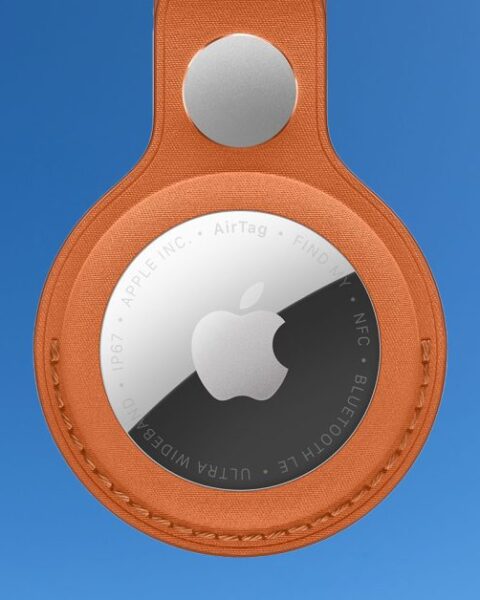
After a five-year wait, Apple has finally launched its second-generation AirTag, a highly anticipated update that promises enhanced functionality and new features, building upon the original device that became a staple in the realm of personal item tracking. The first iteration, introduced as a compact and user-friendly way to keep track of belongings, set the stage for Apple to expand its lineup of integrated IoT products further. With this new launch, Apple aims to solidify its position in the competitive world of smart trackers.
Improved Features and Functionality
The second-generation AirTag boasts a variety of improvements designed to enhance user experience and device performance. One of the standout advancements is its longer battery life, addressing one of the primary concerns users had with the original model. This increase in battery longevity means that users can rely on their AirTags for extended periods without the constant worry of battery depletion.
Additionally, the new AirTag comes equipped with a louder speaker, which makes it easier to locate lost items when they are in close proximity. This improvement allows users to hear the alert sound over a greater distance or from deep inside cluttered drawers, aligning with Apple’s mission to merge technology with practical everyday solutions. This change is geared towards making the device more versatile in various settings and environments.
Security and Privacy Enhancements
Apple has placed a strong emphasis on privacy and security in its latest product lineup, and the new AirTag is no exception. It introduces updated anti-stalking measures, expanding the safeguards available to users. These measures include more immediate alerts if an unknown AirTag is detected moving with a user over time. This feature is complemented by an enhanced notification system that facilitates faster identification, allowing users to manage potential security issues quickly.
The second-generation AirTag also integrates more seamlessly with Apple’s broader ecosystem, leveraging the company’s Find My network. This vast network of Apple devices worldwide assists in locating lost items, boosting the effectiveness of tracking by capitalizing on the collective technology infrastructure established by Apple devices. Furthermore, users will now find added ease in tracking thanks to a new haptic and visual feedback mechanism, reassuring them of the AirTag’s connection and operational status.
Market Impact and Consumer Expectations
The launch of the updated AirTag arrives at a time when consumer expectations for smart trackers are higher than ever. Competing products have emerged, offering alternatives with varying features and capabilities. However, Apple’s brand reputation and its ecosystem give it a distinct competitive edge. The seamless integration of AirTags with other Apple software and services positions it as a preferred choice for dedicated users of Apple products.
Tech analysts predict a positive market response, as the device taps into an expanding market for personal item trackers, which have become increasingly popular among consumers seeking to streamline their day-to-day lives. The improvements made in the second generation are likely to attract not only current AirTag users looking for an upgrade but also new users intrigued by the upgraded potential these devices can offer.
The enhancements align with broader technological trends focusing on connectivity and ease of use. As smart home devices and IoT systems continue to grow in prevalence, the integration of such tools into everyday life becomes more essential. Apple’s push towards more intelligent and user-oriented designs often leads the way, setting industry standards for quality and innovation.
As the retail world adapts to the evolving needs of tech-savvy consumers, the introduction of the AirTag’s next chapter provides a model example of product development focused on addressing user feedback and technological advancements. This development stands as a testament to product evolution’s necessity and the importance of identifying and leveraging consumer insights effectively. As users become more accustomed to interconnected smart devices, upgrades like the second-generation AirTag will play a pivotal role in shaping the future landscape of personal technology.
While competition remains fierce with other tracker brands offering similar features, Apple’s innovation and integration capabilities promise to keep it at the forefront of personal location technology. The AirTag’s latest version not only reflects Apple’s commitment to enhancing product features but also marks a significant step in its ongoing journey towards user-centric technological solutions.
, image: https://www.wired.com/story/apple-second-generation-airtag-2026/