

Historical Background: Tracing the Culinary Roots of Czech Cuisine
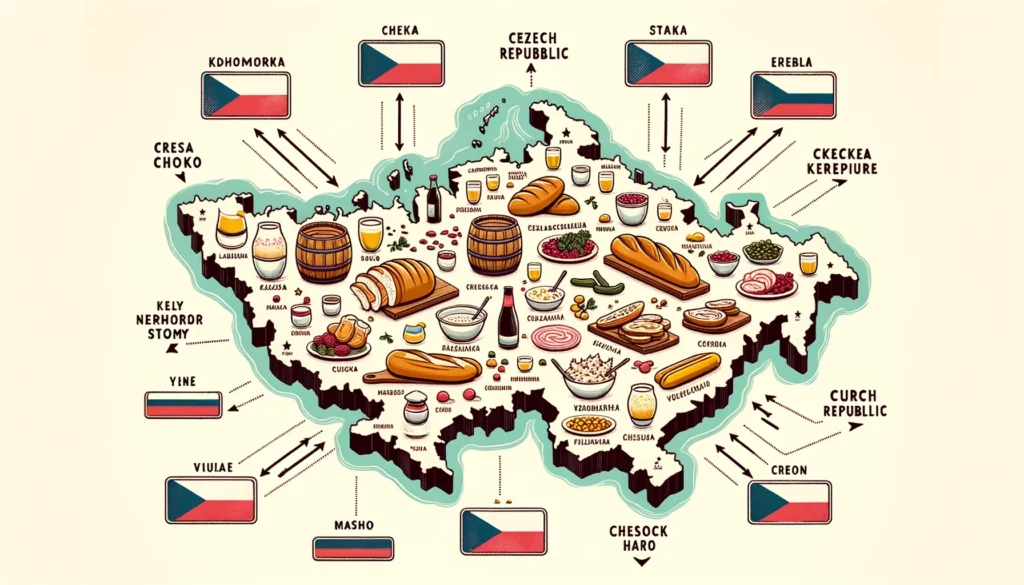
The culinary heritage of Czech cuisine is deeply rooted in the country’s rich history and diverse cultural influences. Dating back centuries, traditional Czech dishes have evolved and adapted from various European countries, creating a unique and flavorful gastronomy.
One of the earliest influences on Czech cuisine can be traced back to the medieval era when the Czech lands were part of the Holy Roman Empire. During this time, the cuisine was heavily influenced by German cooking techniques and ingredients. The Germans brought with them a love for hearty and filling meals, which influenced the Czech preference for dishes such as roast meats, sausages, and dumplings. This German influence is still evident in many Czech dishes today.


From there, other neighboring countries like Austria, Hungary, Poland, Slovakia, and Russia also left their mark on Czech cuisine, each contributing their own distinctive flavors and culinary techniques. By delving into the historical background of Czech cuisine, we can gain a better understanding of the diverse influences that have shaped this unique culinary tradition.
Key points:
- The culinary heritage of Czech cuisine is deeply rooted in the country’s rich history and diverse cultural influences.
- Traditional Czech dishes have evolved and adapted from various European countries, creating a unique and flavorful gastronomy.
- One of the earliest influences on Czech cuisine can be traced back to the medieval era when the Czech lands were part of the Holy Roman Empire.
- During this time, German cooking techniques and ingredients heavily influenced Czech cuisine.
- The Germans brought with them a love for hearty and filling meals, which influenced the preference for dishes such as roast meats, sausages, and dumplings.
- This German influence is still evident in many Czech dishes today.
- Other neighboring countries like Austria, Hungary, Poland, Slovakia, and Russia also left their mark on Czech cuisine.
- Each country contributed their own distinctive flavors and culinary techniques to create a diverse range of dishes.
German Influences: Delving Into the Impact on Czech Gastronomy
The impact of German influences on Czech gastronomy cannot be overstated. Over the centuries, the close proximity and historical connections between Germany and the Czech Republic have inevitably led to a blending of culinary traditions. One notable aspect of German influence on Czech cuisine is the introduction of hearty and savory dishes that have become staples in Czech households.
One example is the popular dish known as svíčková, which is a beef roast served with a rich cream sauce. This dish, believed to have been introduced by the Germans, showcases the importance of meat in Czech cooking and the German love for hearty, flavorful meals. Another German-inspired dish is bramborové knedlíky, or potato dumplings, which have become a famous accompaniment to Czech stews and roasts. The use of potatoes in Czech cuisine can be attributed to the German influence as well. Overall, the German impact on Czech gastronomy has enriched the culinary scene and provided a diverse range of flavors and textures for locals and tourists to enjoy.

Austrian Connections: Exploring the Austrian Influence on Czech Dishes
Austria and the Czech Republic share a long and intertwined history, and this can be seen reflected in their respective culinary traditions. The Austrian influence on Czech dishes has left a lasting impact on the country’s gastronomy, with a number of beloved dishes owing their origins to Austrian culinary techniques and ingredients.
One of the most prominent examples of Austrian influence is the famous Czech dish known as svíčková. This hearty meal consists of marinated beef sirloin served with a rich sauce made from cream, root vegetables, and spices. The Austrian connection can be seen in the cooking method, which involves slow roasting the meat to create tender and flavorful results. Additionally, the use of cream and root vegetables in the sauce is reminiscent of Austrian cuisine, where these ingredients are commonly used in dishes like schnitzel and goulash. Overall, the Austrian influence on Czech dishes like svíčková highlights the cultural exchange between the two neighboring countries and adds depth and richness to Czech gastronomy.
Hungarian Touches: Unveiling the Hungarian Influence on Czech Cuisine
The culinary bond between Hungary and the Czech Republic has left a lasting impact on Czech cuisine. Over the centuries, Hungarian flavors and techniques have found their way into traditional Czech dishes, creating a unique fusion of flavors. One of the most notable Hungarian influences can be seen in the use of paprika, a spice that adds a vibrant red color and a distinct smoky flavor to many Czech dishes. Hungarian cuisine is known for its heat and bold flavors, and this characteristic has seeped into Czech cooking as well, adding a delightful spiciness to dishes that would otherwise be milder.
Another significant Hungarian contribution to Czech cuisine is the use of goulash, a hearty meat stew that has become a beloved dish in both countries. Originally, goulash was a staple of Hungarian cuisine, but it quickly gained popularity in the Czech Republic as well. The Czech version of goulash is typically made with beef, onions, paprika, and served with dumplings, creating a comforting and filling meal. The popularity of goulash is a testament to the cultural exchange between Hungary and the Czech Republic, as the dish has seamlessly integrated itself into the culinary traditions of both nations.

Polish Inspirations: Discovering the Polish Elements in Czech Cooking
Polish cuisine has been a significant influence on the culinary traditions of the Czech Republic. The close geographical proximity between the two countries has facilitated the exchange of recipes and cooking techniques throughout history. One of the notable Polish inspirations in Czech cooking is the traditional dish known as kielbasa. This savory sausage, made from meat and spices, has become an integral part of Czech cuisine, often enjoyed with sauerkraut and mustard. The hearty and robust flavors of kielbasa have warmed many Czech households and contributed to the rich tapestry of the country’s gastronomic heritage.
Another Polish culinary element that has found its way into Czech cooking is the iconic pierogi. These delightful dumplings are often stuffed with a variety of fillings, such as cheese, potato, or meat, and can be boiled or fried. Pierogi have become a beloved dish in the Czech Republic, not only for their satisfying taste but also for their versatility. They are enjoyed as a main course, side dish, or even as a dessert when filled with sweet fillings like fruit or chocolate. The Polish influence on Czech cuisine is undeniable, and the incorporation of pierogi into Czech cooking showcases the seamless integration of regional flavors that continue to shape the culinary landscape of the country.
Slovakian Influences: Unraveling the Culinary Bond between Czech Republic and Slovakia
Slovakia, with its close proximity to the Czech Republic, has had a significant influence on Czech cuisine throughout history. The culinary bond between these two nations can be traced back to their shared historical and cultural ties. Slovakian influences can be seen in various aspects of Czech gastronomy, from traditional recipes and ingredients to cooking techniques and flavors.
Firstly, the exchange of culinary traditions between Czechs and Slovaks has played a crucial role in shaping the regional cuisines of both countries. The similarities in ingredients and dishes, such as hearty stews, dumplings, and sausages, highlight the shared culinary heritage. Additionally, the use of staple ingredients like potatoes, cabbage, and various root vegetables can be attributed to the Slovakian influence. Furthermore, the cooking techniques passed down through generations have merged, resulting in a unique blend of flavors that characterizes Czech and Slovak cuisine. The culinary bond between the Czech Republic and Slovakia continues to thrive, with both countries embracing their shared heritage and infusing it into their modern culinary innovations.
French Flair: Understanding the French Influence on Czech Cuisine
Czech cuisine, like many others around the world, has been shaped by various cultural influences throughout history. One of the most prominent influences on Czech gastronomy can be attributed to the French. The French influence on Czech cuisine can be seen in the elegant and refined cooking techniques employed in traditional Czech dishes. French culinary traditions, with their emphasis on precision, presentation, and the use of rich flavors, have made their mark on Czech cooking, adding a touch of sophistication to many beloved Czech recipes.
French culinary techniques have had a significant impact on the preparation and presentation of Czech dishes. The art of sauce-making, for example, which is a fundamental element of French cuisine, has been adopted and adapted by Czech chefs to elevate their dishes. The velvety and flavorful sauces that accompany many Czech meat and vegetable dishes bear a resemblance to the rich and complex French sauces that are staples of French cuisine. Furthermore, the French influence can be observed in the attention given to the visual appeal of Czech dishes, with an emphasis on garnishing and artistic plating. This merging of French flair with Czech culinary traditions has created a unique and delightful dining experience for locals and visitors alike.
Mediterranean Influences: Exploring the Impact of Mediterranean Countries on Czech Gastronomy
The culinary landscape of the Czech Republic has been shaped by a wide range of influences from various Mediterranean countries. From Italy to Greece, these nations have left a lasting impact on Czech gastronomy, introducing new flavors, ingredients, and cooking techniques. One of the most prominent Mediterranean influences on Czech cuisine is evident in the use of olive oil. This versatile and flavorful oil has become an integral part of many Czech dishes, adding richness and depth to everything from salads to sautés. Additionally, the use of fresh herbs, such as basil, oregano, and thyme, has become increasingly common, infusing Czech dishes with distinct Mediterranean flavors and aromas. These Mediterranean influences have transformed the Czech culinary scene, bringing a touch of the Mediterranean’s vibrant and diverse flavors to the heart of Central Europe.
Apart from the flavors and ingredients, Mediterranean countries have also influenced the way Czechs approach food and dining. The leisurely and social nature of Mediterranean dining, where meals are savored and shared among friends and family, has been embraced by Czech culture. Family-style dining has become more popular, with Czechs gathering around a table to enjoy a variety of dishes together. This communal approach to dining not only fosters a sense of togetherness but also allows for the exploration and celebration of different flavors and cuisines. Overall, the Mediterranean influences on Czech gastronomy have not only added depth and variety to traditional Czech dishes but have also transformed the way Czechs appreciate and enjoy their meals.
Modern Innovations: Present-day Culinary Trends Shaping Czech Cuisine
In recent years, Czech cuisine has experienced a significant transformation, with modern innovations playing a crucial role in shaping its present-day identity. One notable trend is the emphasis on local and seasonal ingredients. Chefs across the country have increasingly turned to regional produce to inspire their dishes, showcasing the rich flavors and diversity of Czech agriculture. This focus on supporting local farmers and promoting sustainability not only adds depth to traditional recipes but also contributes to the protection of the country’s culinary heritage.
Furthermore, there has been a surge in the fusion of Czech and international flavors. Chefs are skillfully incorporating global ingredients and cooking techniques into traditional Czech dishes, creating unique and exciting culinary experiences. This blending of cultures not only brings a fresh perspective to classic recipes but also reflects the multicultural society of the Czech Republic. From Asian-inspired dumplings to Mexican-infused sauces, the exploration of international flavors has brought a newfound vibrancy to Czech cuisine, delighting both locals and visitors alike.