 Kristina Vankova
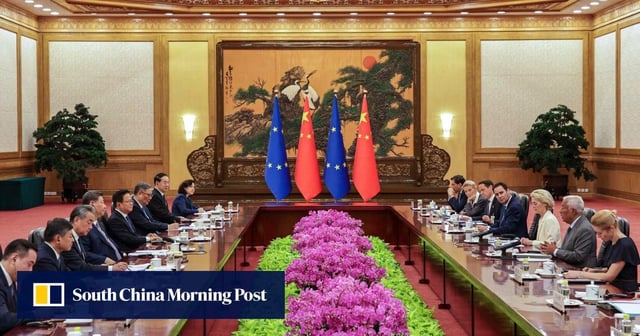
In a significant development with global economic implications, the European Union and China have reached an accord aimed at resolving the longstanding challenges surrounding rare earth element exports. These elements are crucial for a plethora of high-tech and clean energy products, and the agreement marks a strategic cooperation between the two global powerhouses amidst ongoing geopolitical tensions.
The Importance of Rare Earth Elements
Rare earth elements, although not abundant in economic concentrations, are indispensable in the manufacturing of many high-technology products. They play a critical role in the production of smartphones, electric vehicles, wind turbines, and military technologies. Securing a steady supply of these elements is of strategic importance for countries aiming to compete in these high-tech and environmental sectors.
China currently dominates the global rare earth supply chain, controlling over 80% of the world’s production. This monopoly gives China significant leverage over international markets and places other nations, particularly in the West, in a vulnerable position regarding resource accessibility.
Details of the EU-China Plan
Under the new framework, the EU and China aim to establish a transparent and sustainable rare earth market by collaborating on several key fronts. This includes enhancing trade partnerships, investing in rare earth mining technology, and implementing more environmentally friendly mining practices. The plan focuses on reducing trade barriers and addressing fluctuations in rare earth prices that have previously impacted industries worldwide.
The agreement also emphasizes cooperative research and development efforts. By sharing technological advancements and innovations, both parties aim to reduce the environmental impact of rare earth mining and production—a concern that has often been highlighted by environmental advocates.
Implications for Global Markets
The impact of this agreement extends beyond the EU and China, promising potential shifts in global supply chains and pricing dynamics. Industries dependent on rare earth elements, such as renewable energy and electronics, may experience more stability in material costs. This could accelerate technological advancement and innovation due to reduced supply chain vulnerabilities.
Moreover, by working together, China and the EU set a precedent for handling other critical resources, paving the way for similar cooperative efforts in the future. This development can potentially reshape international trade relations and foster a more balanced global market.
While this agreement outlines a positive step forward, it also underscores the importance of strategic diplomacy in addressing complex international supply chain issues. As nations continue to navigate the challenges of resource dependency, the EU-China accord serves as a blueprint for managing crucial global commodities harmoniously.