 Vanda Svobodova
The Rise of Art Deco in Czech Republic: Tracing its Origins
Art Deco, an artistic and design movement that flourished in the early 20th century, found its way to the Czech Republic through a fascinating series of influences. Tracing its origins back to the Exposition Internationale des Arts Décoratifs et Industriels Modernes held in Paris in 1925, Art Deco gradually made its mark on Czech architecture and design. Czech artists and designers, inspired by the sleek lines, geometric patterns, and luxurious materials of Art Deco, eagerly embraced the movement and incorporated its principles into their work.

One of the key factors that fueled the rise of Art Deco in the Czech Republic was the country’s burgeoning industrial sector. The rapid industrialization of the Czech Republic in the early 20th century led to an increased demand for modern, aesthetically appealing buildings that reflected the nation’s growing status as an industrial powerhouse. Art Deco’s emphasis on clean lines, bold forms, and decorative elements perfectly suited this need, and architects eagerly integrated Art Deco principles into their designs. The result was a wave of stunning Art Deco buildings that became iconic symbols of the Czech Republic’s architectural heritage.
Prague’s Iconic Art Deco Buildings: A Glimpse into the City’s Architectural Heritage
Prague, the capital city of Czech Republic, is celebrated for its rich architectural history. While the city is renowned for its Gothic and Baroque masterpieces, it also boasts a collection of iconic Art Deco buildings that offer a glimpse into a different era. These structures, with their striking geometric designs and lavish embellishments, stand as a testament to the city’s diverse cultural influences and its embrace of modernism.
One such example is the iconic Lucerna Palace, located at Wenceslas Square in the heart of Prague. Designed by the celebrated architect, Váčlav Havel, in the early 1920s, the building represents the epitome of Art Deco design. Its grand façade features intricate detailing, including intricate wrought-iron motifs and elaborate reliefs. Inside, the Lucerna Palace charms visitors with its opulent interiors, complete with marbled floors, gilded accents, and a towering glass chandelier. Time seems to stand still within these walls, transporting visitors back to the glamorous era of the 1920s.
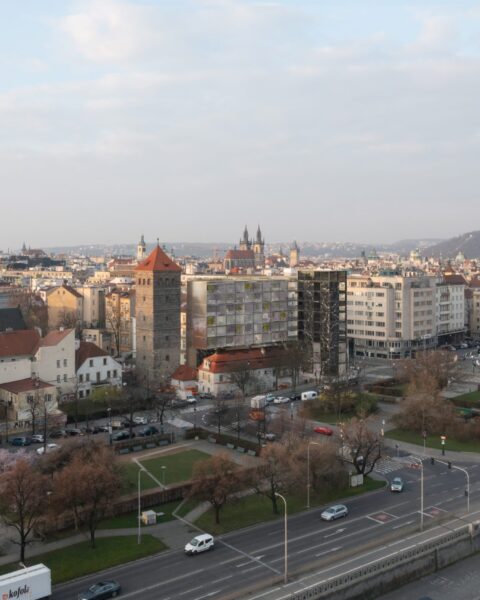
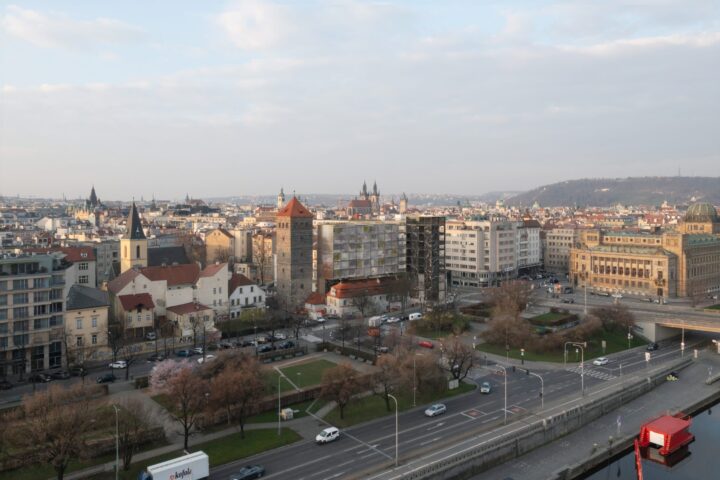
Another notable Art Deco gem in Prague is the Cubist House of the Black Madonna, located in the historic center of the city. Designed by the architect Josef Gočár in 1912, this distinctive building with its angular façade and glass mosaic decorations is a true treasure. Its unique design reflects the influence of the Cubist movement, adding a touch of artistic flair to the Art Deco style. Inside, the museum of Czech Cubism showcases an extensive collection of Cubist furniture, ceramics, and decorative arts, providing visitors with an immersive experience into this avant-garde movement.
Prague’s iconic Art Deco buildings are a testament to the city’s architectural heritage and its ability to seamlessly blend tradition with modern design. These structures not only showcase the talent and creativity of Czech architects and designers but also serve as a visual reminder of the city’s vibrant cultural history. As visitors explore these stunning buildings, they are transported back in time, enveloped by the grandeur and elegance of the Art Deco era.
Uncovering the Hidden Gems: Lesser-known Art Deco Structures in Czech Republic
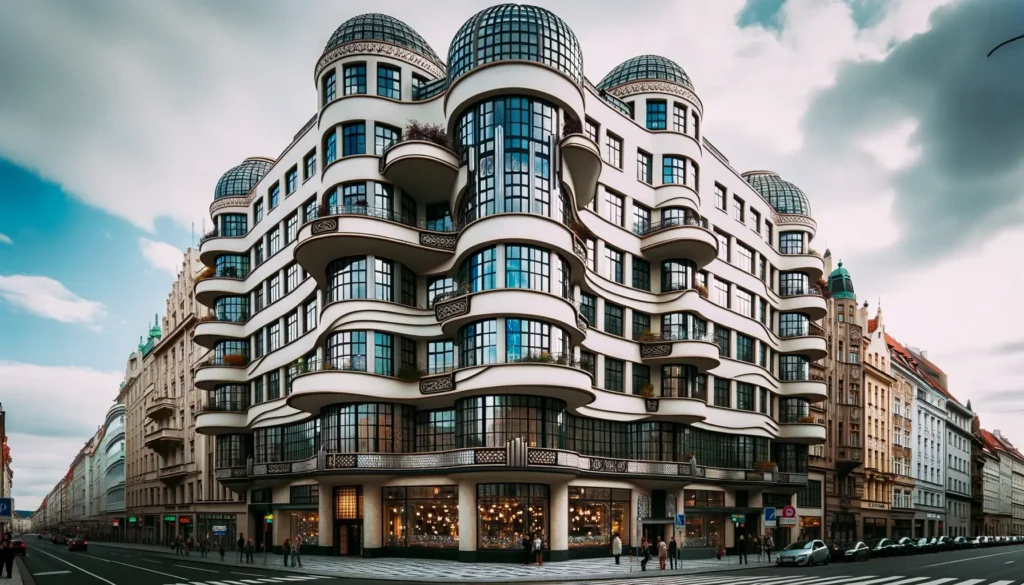
Hidden amongst the popular and well-known Art Deco buildings in Czech Republic are a collection of lesser-known gems that delight those who stumble upon them. These structures may not receive the same level of recognition and attention as their more famous counterparts, but they possess a unique charm and character that truly embodies the spirit of the Art Deco movement.
One such hidden gem is the Baťa Shoe Factory in Zlín. Designed by the renowned Czech architect, František Gahura, this building stands as a testament to the innovative and forward-thinking nature of Art Deco design. Its sleek lines, geometric shapes, and intricate decorative motifs make it a true masterpiece of Czech Art Deco architecture. While not as grand or imposing as some of the other Art Deco structures in the country, the Baťa Shoe Factory exudes a sense of elegance and sophistication that is truly captivating.
Art Deco Districts: Exploring the Neighborhoods that Showcase Czech Republic’s Architectural Splendor
In the bustling city of Prague, there are several districts that are home to magnificent Art Deco architecture, showcasing the rich cultural heritage of the Czech Republic. One such district is Vinohrady, known for its leafy streets and grand residential buildings. The Vinohrady Theater, with its geometric façade and elaborate floral motifs, is a prime example of the Art Deco style in this area. Walking through the neighborhood, one can also marvel at the intricate details of the residential buildings, adorned with decorative ironwork and elegant balconies.
Another district that embodies the splendor of Czech Republic’s Art Deco architecture is Žižkov. Located just east of the city center, Žižkov is known for its eclectic mix of architectural styles, with Art Deco buildings standing out as gems of the neighborhood. The iconic Ježkov Tower, a television tower adorned with Art Deco-style panels, dominates the skyline and serves as a striking symbol of the district. Wandering through the streets of Žižkov, one can discover more hidden Art Deco treasures, from apartment buildings with ornate entrances to cafes with beautifully curved glass windows.

The Influence of Czech Artists and Designers on Art Deco in the Country
The Czech Republic has made significant contributions to the development and evolution of Art Deco within the country. Czech artists and designers played a pivotal role in shaping the unique aesthetic and style of this architectural movement. Their innovative designs, attention to detail, and craftsmanship have left an indelible mark on the Art Deco buildings that grace the streets of the Czech Republic.
One of the most influential figures in Czech Art Deco was architect Josef Gočár. His bold and visionary designs combined elements of cubism, geometric shapes, and decorative motifs. Gočár’s iconic works, such as the Hradec Králové Train Station and the Cubist House of the Black Madonna in Prague, epitomize the Czech interpretation of Art Deco. These buildings showcase Gočár’s mastery in integrating modernist principles with traditional Czech craftsmanship, creating a seamless fusion of art and architecture. The influence of Gočár’s designs can be seen in numerous Art Deco structures throughout the country, leaving a lasting legacy on Czech architectural heritage.
Restoring the Glory: Efforts to Preserve and Maintain Czech Republic’s Art Deco Buildings
Restoring the glory of Czech Republic’s Art Deco buildings is a laborious and meticulous task that requires the expertise of skilled architects, preservation specialists, and craftsmen. These structures, with their intricate details and unique design elements, hold significant historical and cultural value. Efforts to preserve and maintain these architectural gems aim to ensure their longevity, allowing future generations to appreciate their beauty and understand their role in the country’s rich heritage.
Preservation initiatives often involve a combination of restoration and adaptive reuse. Dilapidated facades are carefully repaired, and original materials are meticulously sourced to maintain authenticity. Furthermore, modern amenities and functional upgrades are integrated discreetly to make these buildings suitable for contemporary needs without compromising their original charm. Through the committed efforts of organizations, government agencies, and passionate individuals, the restoration of Czech Republic’s Art Deco buildings stands as a testament to the country’s dedication to preserving its architectural legacy.
A Unique Blend: Art Deco Elements in Czech Republic’s Modern Architecture
In the Czech Republic, modern architecture has seamlessly integrated Art Deco elements, resulting in a unique blend of styles that captivates both locals and visitors alike. This trend can be seen in various new constructions, where architects have embraced the elegant lines, geometric motifs, and symmetrical designs characteristic of Art Deco. These contemporary buildings pay homage to the country’s rich architectural history while also infusing a fresh and innovative approach.
One notable example of this modern blend is the Dancing House in Prague. Designed by renowned architects Vlado Milunić and Frank Gehry, this iconic structure stands out with its curvaceous shape and dynamic silhouette. The glass and concrete façade reflects the light at different angles, creating a visual spectacle that harmonizes with the surrounding landscape. Inside, Art Deco-inspired furnishings and decorative elements accentuate the building’s overall aesthetic, seamlessly fusing the old with the new. Such fusion of Art Deco elements in contemporary architecture showcases the adaptability and timelessness of this influential design style.
Exploring the Functionality: How Art Deco Buildings in Czech Republic Adapt to Contemporary Needs
Art Deco buildings in the Czech Republic have not only managed to withstand the test of time but have also successfully adapted to meet the requirements of contemporary needs. The functionality of these structures can be attributed to the innovative design principles incorporated by the Czech architects during the Art Deco era.
One notable feature of Art Deco buildings in the Czech Republic is their versatility in serving different purposes. Originally built as residential apartments or commercial spaces, many of these buildings have been repurposed to accommodate modern needs such as office spaces, hotels, and even cultural institutions. The adaptive reuse of these architectural gems highlights the pragmatic approach taken by architects to ensure the preservation of the original design while meeting the demands of the present day. The attention to detail in preserving the unique Art Deco aesthetic while making necessary functional changes speaks volumes about the dedication to maintaining the integrity of these buildings.
Art Deco Interiors: A Look into the Opulent Design and Decorative Features
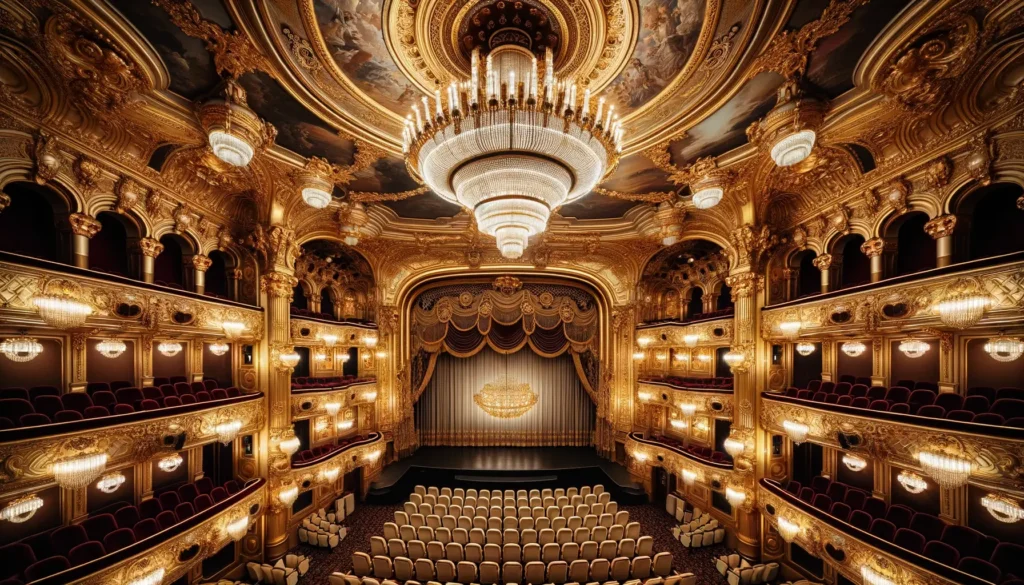
Art Deco interiors are renowned for their opulent design and intricate decorative features. The style originated in the early 20th century and emerged as a response to the ornate and elaborate Art Nouveau movement. Unlike its predecessor, Art Deco embraced clean lines, geometric shapes, and a focus on functionality. Its interiors exuded a sense of luxury and glamour, incorporating materials such as marble, glass, and polished metals.
One characteristic of Art Deco interiors is their strong emphasis on symmetry and balance. This is evident in the placement of furniture, lighting fixtures, and decorative elements. The furniture often featured sleek silhouettes with bold curves, while the lighting fixtures showcased geometric patterns and striking designs. Elaborate wall murals, also a popular feature, depicted scenes of opulence, nature, or modern industrial advancements. Moreover, Art Deco interiors incorporated rich color palettes, including jewel tones, gold accents, and contrasting black and white combinations, adding an air of drama and sophistication.
Beyond Czech Republic: Art Deco Influences in the International Architecture Scene
The impact of Art Deco can be observed not only within the borders of the Czech Republic but also across the globe. This architectural and design movement has left an indelible mark on the international architecture scene, influencing prominent structures and shaping the aesthetic of cities worldwide. From the iconic skyscrapers of New York City to the elegant buildings of Miami’s Art Deco District, the style’s influence is evident.
One of the key factors that contributed to Art Deco’s global prominence was its ability to adapt to different cultural contexts. While rooted in the principles of modernism, Art Deco integrated elements from various cultures and design philosophies, resulting in a unique and harmonious blend. This blending of styles allowed Art Deco to transcend borders and become an international phenomenon. Today, Art Deco’s influence can be seen in architectural landmarks from Shanghai to Mumbai, showcasing the enduring legacy of this design movement.