cooperativ
Settlements and Structures in Ancient Slavonic Times: Understanding the Early Foundations
The early foundations of settlements and structures in ancient Slavonic times provide valuable insights into the development of Slavic communities. These early settlements were often small and simple, consisting of wooden houses and basic agricultural structures. The Slavic people relied heavily on farming, fishing, and hunting for their sustenance, and their settlements were typically located near rivers or lakes, which provided them with easy access to water and transportation routes. Archaeological evidence suggests that these early settlements were organized in a communal manner, with families living in close proximity to one another and sharing common resources.
As time went on, the Slavic communities began to develop more advanced forms of architecture and urban planning. The introduction of stone buildings and fortified structures brought greater stability and security to the settlements. The construction of protective walls and towers became common, offering defense against invaders and forming the nucleus of early Slavic towns. Additionally, early Slavic settlements featured central marketplaces and communal gathering areas, which served as the social, economic, and cultural hubs of the communities. Understanding these early foundations provides us with a crucial understanding of the origins and evolution of Slavic settlements, laying the groundwork for future developments in architecture and urbanization.
The Migration Period and the Formation of Slavic Communities
During the Migration Period, which lasted from the 4th to the 7th century, significant changes took place in Central Europe as various tribes and ethnic groups moved across the region. This period not only witnessed the movements of Germanic and Celtic peoples, but it also marked the formation of Slavic communities. The Slavic tribes, like the Marcomanni and later the Sclavenes, gradually migrated and settled in present-day Czech lands, establishing their own distinct cultures and settlements.
The formation of Slavic communities during this period was influenced by multiple factors. One key factor was the relative absence of centralized political power, which allowed for the development of rural settlements and small farming communities. The Slavic people mainly relied on farming, animal husbandry, and trade to sustain their communities. Through their interactions with neighboring tribes, they adopted certain cultural and technological practices, such as the use of pottery, iron tools, and weaving techniques. These practices not only helped them enhance their agricultural productivity but also contributed to the growth of their settlements. However, it is important to note that the scarcity of written records from this time makes it challenging to establish a precise understanding of Slavic migration patterns and settlement dynamics.
The Rise of the Great Moravian Empire and its Impact on Settlements
During the 9th century, the Great Moravian Empire emerged as a significant power in Central Europe. With its capital at the fortified settlement of Mikulčice, the empire had a profound impact on the development of settlements in the region. Under the rule of Great Moravia, new towns and villages were established, often strategically located near trade routes or natural resources. These settlements played a crucial role in fostering trade and economic growth, as well as in strengthening the empire’s political influence.
One notable example of the empire’s impact on settlements is reflected in the development of urban centers such as the city of Staré Město, situated in present-day Czech Republic. With its strategic location along the Morava River, Staré Město became a crucial trading hub and a center of political administration during the Great Moravian Empire. The empire’s influence is evident in the layout of the town, characterized by its well-structured streets and fortified walls, which served as a protective measure against potential invaders. The rise of the Great Moravian Empire thus led to the establishment of well-organized settlements, setting the stage for future urban development in the Czech lands.
The Influence of Christianity on Slavic Architecture and Urbanization
In the early medieval period, the spread of Christianity had a profound impact on Slavic architecture and urbanization. As Slavic tribes embraced Christianity, new religious structures began to grace their landscapes. Impressive churches and monasteries were constructed, reflecting both Byzantine and Western European architectural influences. These became centers of spiritual and cultural life, attracting pilgrims and fostering the growth of surrounding settlements.
The introduction of Christianity also brought about changes in urbanization patterns. Monastic communities built near churches became key sources of education, healthcare, and trade, prompting the establishment of market towns. These towns, with their bustling streets and vibrant markets, became essential hubs for economic and social interaction. The Christian faith not only facilitated the development of sacred structures but also played a pivotal role in shaping the organization and growth of Slavic societies during this period.
The Development of Medieval Towns and Castles in the Czech Lands
In the medieval period, the Czech lands experienced a remarkable growth in towns and castles. This development played a significant role in shaping the social and economic landscape of the region. The establishment of towns was driven by various factors, such as the rise of trade and commerce, the increase in population, and the need for better defense against external threats. These towns, often strategically located along trade routes or near natural resources, quickly became hubs of activity and centers of power. Alongside the towns, castles were constructed atop hills and mountains, serving as both defensive fortifications and symbols of feudal authority. The development of medieval towns and castles in the Czech lands laid the foundation for the future urbanization and architectural diversity of the region.
The Hussite Wars and their Effect on Urbanization and Architecture
The Hussite Wars, which took place in the 15th century, had a significant impact on both urbanization and architecture in the Czech Lands. These wars were primarily driven by religious conflicts, as the Hussites, followers of the Bohemian religious reformer Jan Hus, fought against the Catholic Church and its supporters. As a result, many towns and cities were heavily affected, resulting in the destruction of buildings and infrastructure.
During the Hussite Wars, cities such as Prague and Tabor became important strongholds for the Hussite movement. The wars led to the development of new defensive measures in urban planning, as these cities had to fortify themselves against attacks from opposing forces. This resulted in the strengthening of city walls, the construction of underground tunnels, and the creation of bastions and other defensive structures. Additionally, the wars also saw the rise of temporary fortifications, known as wagon forts, which were used by the Hussite armies during their military campaigns.
The Hussite Wars not only left physical impacts on the urban landscape, but also affected architectural styles and trends. The destruction caused by the conflict led to a rebuilding phase, where Gothic styles began to give way to a more defensive and utilitarian approach. Architecture became more focused on practicality and fortification rather than ornamental features. This shift in architectural design can be seen in the construction of fortified towers and castles, which were built with the purpose of defense against future attacks.
Overall, the Hussite Wars had a profound effect on both urbanization and architecture in the Czech Lands. The destruction caused by the conflict led to significant changes in urban planning and architectural styles, as cities and towns sought to fortify themselves against future attacks. This period marked a shift towards a more practical and defensive approach, setting the stage for further developments in architecture in the years to come.
The Renaissance and Baroque Periods: A Flourishing of Czech Architecture
During the Renaissance and Baroque periods, Czech architecture experienced a significant flourishing characterized by grandeur, opulence, and intricate detail. Influenced by the Italian Renaissance, Czech architects began incorporating classical elements such as domes, arches, and columns into their designs. This infusion of new ideas led to the creation of stunning palaces, churches, and public buildings that still stand today as testaments to the artistic mastery of the era.
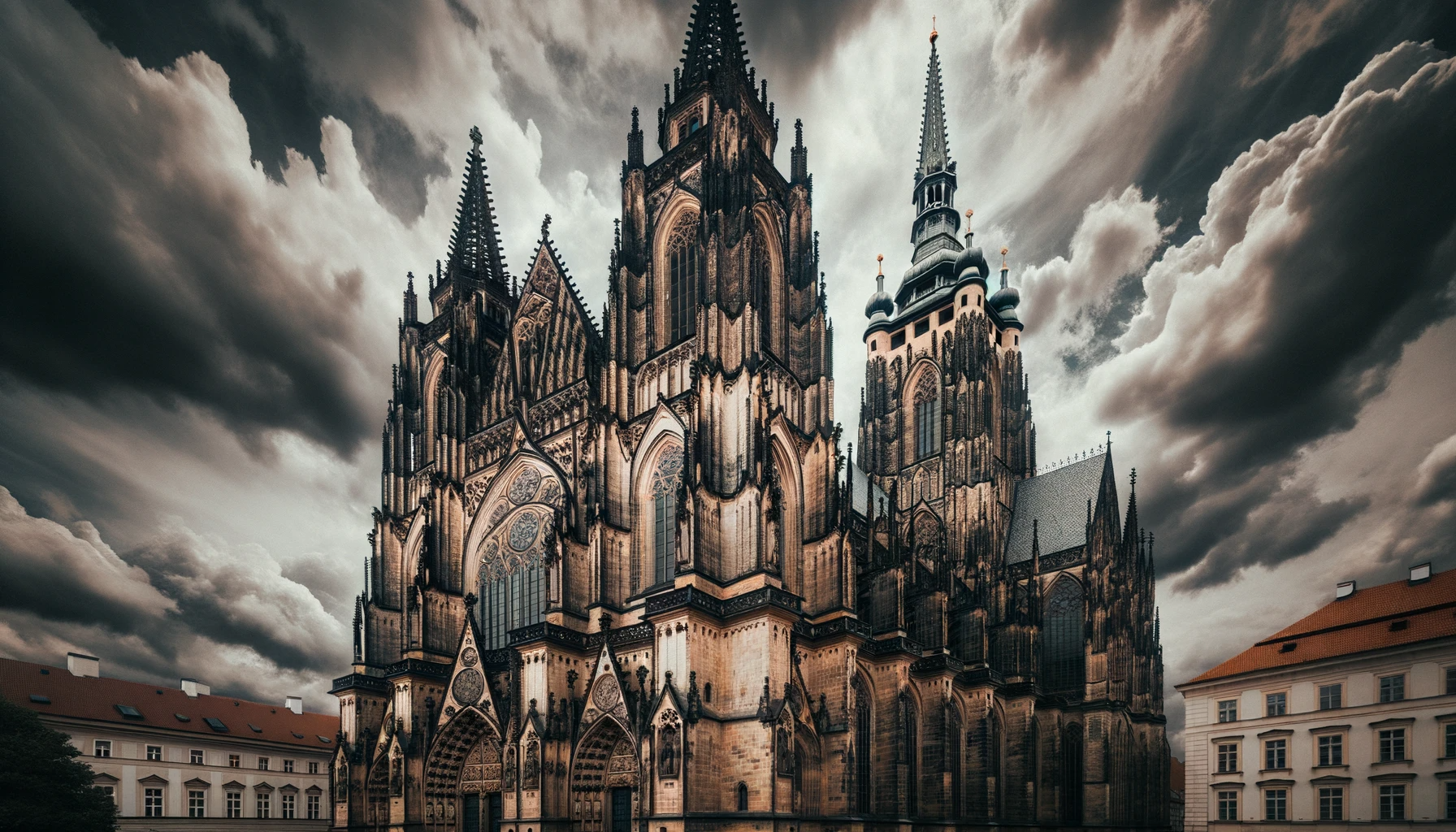
One prominent example of this flourishing architecture is the Prague Castle, which underwent extensive renovations during this time. The castle complex, encompassing various architectural styles including Gothic, Renaissance, and Baroque, showcases the diverse influences that shaped Czech architecture during this period. From its imposing facades and ornate interiors to its sprawling gardens and courtyards, the Prague Castle stands as a symbol of the sophistication and creativity that defined the Renaissance and Baroque periods in Czech architecture.
The Industrial Revolution and its Impact on Urban Planning and Infrastructure
During the Industrial Revolution, which took place from the late 18th to the early 19th century, Czech cities underwent significant transformations in terms of urban planning and infrastructure. The industrialization brought about by the revolution led to the rapid growth of industries and factories in urban areas, resulting in a surge in population as people flocked to these industrial centers in search of employment opportunities. As a result, cities had to adapt their urban planning strategies to accommodate the increasing population and cater to the needs of the expanding industries.
One of the significant impacts of the Industrial Revolution on urban planning was the emergence of the factory system. Factories required large spaces for production, leading to the establishment of industrial districts within cities. This led to the creation of specialized zoning plans where residential areas were separated from industrial zones. The introduction of efficient transportation systems, such as railways and tramways, was also a fundamental requirement for the transportation of goods and workers to and from the industrial areas. In addition to the physical infrastructure, the revolution also led to the development of social infrastructure, including the construction of schools, hospitals, and public amenities, to cater to the growing population. These changes not only reshaped the physical landscape of Czech cities but also brought about social and economic transformations that have endured to this day.
The Modern Era: Urbanization, Industrialization, and the Transformation of Czech Cities
Paragraph 1:
During the modern era, Czech cities experienced significant transformations as urbanization and industrialization took hold. Rapid population growth, fueled by rural-to-urban migration and advancements in transportation, led to the expansion and densification of urban areas. This influx of people, along with the development of industries such as manufacturing and commerce, brought about profound changes in the physical landscape and socioeconomic fabric of Czech cities.
Paragraph 2:
As industrialization progressed, the need for improved infrastructure became evident. Modern transportation networks, including railways and road systems, were established to facilitate the movement of goods and people across the country. In addition, the development of utilities such as water supply, sewage systems, and electricity brought about a higher standard of living for urban dwellers. The skyline of Czech cities transformed with the rise of industrial structures, such as factories and warehouses, while residential areas experienced the construction of high-rise buildings to accommodate the growing population. The modern era marked a pivotal period in the history of Czech urbanization, setting the stage for the continued development and evolution of the country’s cities.
Preserving the Heritage: Conservation and Restoration of Historical Structures in the Czech Republic.
Preserving the heritage of historical structures in the Czech Republic is of paramount importance. These ancient buildings hold immense cultural, historical, and architectural significance, serving as a testament to the rich and diverse history of the region. The conservation and restoration efforts underway are crucial in ensuring that these structures remain well-preserved for future generations.
The Czech Republic has a long-standing tradition of investing in the restoration and maintenance of its historical buildings. It is a testament to the nation’s commitment to preserving its cultural identity and creating a sense of continuity between the past and the present. Through meticulous restoration work, experts strive to retain the original character and charm of these structures, while also ensuring their structural integrity. The use of traditional construction techniques and materials is often prioritized to maintain authenticity, further enhancing the historical value of these architectural gems. With careful conservation and restoration, the Czech Republic continues to safeguard its cultural heritage and enable visitors and locals alike to appreciate the splendor of its past.