 Vanda Svobodova
The Iconic Charles Bridge: A Symbol of Prague’s Rich History and Architectural Marvel
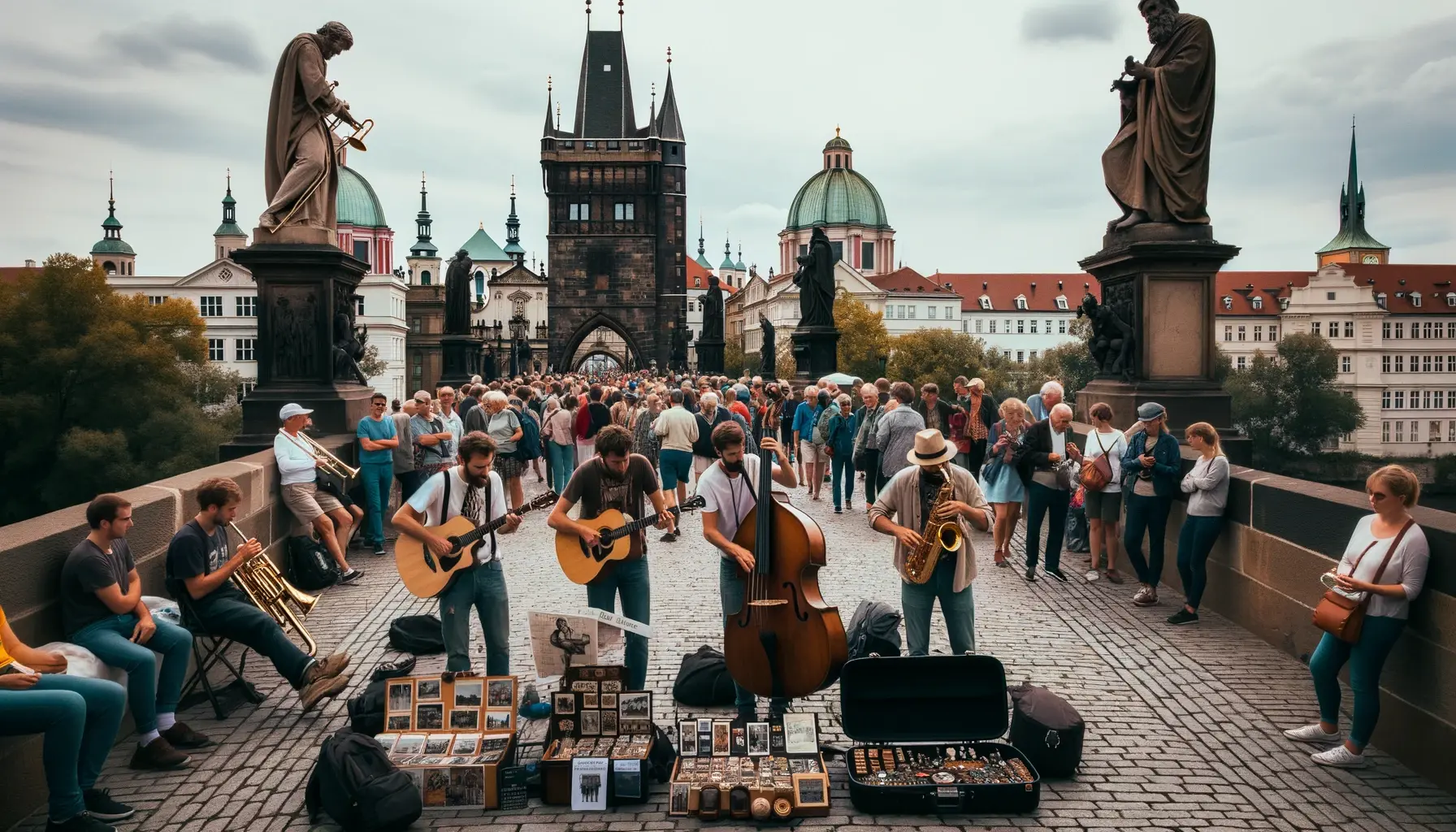
The Charles Bridge, an iconic symbol of Prague, encapsulates the rich history and architectural marvels of the city. With its majestic presence spanning across the Vltava River, the bridge stands as a testament to the grandeur and elegance that defined the Czech Republic. Built in the 14th century during the reign of King Charles IV, this architectural masterpiece serves as a vital link between the historical Old Town and the Prague Castle.
Featuring 30 statues depicting various saints and other religious figures, the Charles Bridge exudes a unique blend of Gothic and Baroque styles. Each sculpture, meticulously crafted by renowned artists of the time, not only adds to the visual appeal but also serves as a fascinating representation of the country’s rich cultural heritage. Additionally, the bridge boasts a series of impressive arches and towers, highlighting the ingenuity and craftsmanship of its builders. As one of the most visited landmarks in Prague, the Charles Bridge continues to amaze locals and tourists alike with its timeless beauty and historical significance.
The Historic Stone Bridge of Pisek: Tracing the Origins of Czech Bridge Construction
The Historic Stone Bridge of Pisek stands as a testament to the rich history and architectural prowess of bridge construction in the Czech Republic. Located in the picturesque town of Pisek, this bridge holds a significant place in the country’s history, tracing its origins back to the 13th century. The stone bridge, constructed with sandstone blocks and adorned with Gothic-style statues, was a remarkable engineering feat for its time and showcased the skilled craftsmanship of Czech builders.
The construction of the Stone Bridge was a remarkable achievement considering the technology and resources available during the medieval period. Built over the Otava River, the bridge not only provided a vital crossing point but also played a crucial role in connecting the regions of Bohemia and Southern Moravia. Its strategic location facilitated trade and cultural exchange, promoting economic growth and fostering the development of these regions. Furthermore, the bridge became an important symbol of the town’s prosperity and unity, reflecting the rich heritage and craftsmanship of Czech bridge construction.
Gothic Bridges in Czech Republic: Marvels of Engineering and Artistry
The Gothic bridges found in the Czech Republic are truly remarkable examples of engineering and artistry. These majestic structures, known for their distinctive pointed arches and intricate stone carvings, stand as enduring testaments to the skill and craftsmanship of the architects and builders of the time.
One iconic example of a Gothic bridge in the Czech Republic is the Charles Bridge in Prague. Built in the 14th century, this bridge not only served as a vital transportation route across the Vltava River but also became an important symbol of Prague’s rich history. The Charles Bridge is adorned with a total of 30 statues, each with its own unique design and religious significance. Its impressive span, coupled with the ornate sculptures that line its sides, creates a truly awe-inspiring sight that draws visitors from across the globe.
Renaissance Bridges: Connecting the Czech Republic’s Past and Present
In the realm of bridge construction, the Renaissance period brought forth a significant shift in architectural styles and engineering techniques. This era, spanning from the 14th to the 17th century, left an indelible mark on the landscape of the Czech Republic, as Renaissance bridges emerged as a testament to the country’s rich historical and cultural heritage.
Characterized by their graceful arches, intricate ornamentation, and symmetrical designs, the Renaissance bridges of the Czech Republic seamlessly connect the past with the present. These structures, often constructed using durable materials such as stone and brick, epitomize the artistic and engineering brilliance of the Renaissance period. They serve as a visual reminder of the country’s grandeur and elegance during this golden age. Not only do these bridges provide functional connections between different areas, but they also evoke a sense of pride and appreciation for the rich architectural legacy that has been handed down through generations.
Baroque Bridges: A Testament to Czech Republic’s Grandeur and Elegance
Baroque bridges in the Czech Republic stand as splendid testimonials to the grandeur and elegance of the country. Built during the Baroque period, these bridges showcase the artistic prowess and engineering expertise of the time.
One notable example is the Charles Bridge in Prague, which exemplifies the opulent style of the Baroque era. Spanning the Vltava River, this iconic bridge is adorned with a stunning array of statues depicting various saints and religious figures. The ornate details and intricate carvings on the bridge pillars mesmerize visitors, while the elegant arches seamlessly blend with the surrounding architecture. The Baroque bridges in the Czech Republic not only served as functional structures for transportation but also contributed to the overall beauty of the cityscape.
Industrial Revolution and Its Impact on Bridge Construction in the Czech Republic
During the Industrial Revolution, the Czech Republic witnessed a significant transformation in bridge construction. The advent of new technologies and the expansion of industries greatly influenced the design and architecture of bridges in the country. The Industrial Revolution brought about the use of iron and steel, replacing traditional materials like wood and stone. This shift revolutionized bridge construction as it allowed for longer spans, increased structural stability, and a more efficient use of materials. This era marked a turning point in the history of bridge engineering in the Czech Republic, paving the way for innovative designs and advancements in construction techniques.
With the introduction of iron and steel, bridges could be built on a larger scale, accommodating the growing demands of industrialization. The use of these materials not only increased the strength and durability of bridges, but it also opened up new possibilities for architectural expression. One notable example is the iconic Negrelli Viaduct in Prague, completed in 1850. This impressive structure, spanning over a kilometer, was one of the first railway viaducts in the world to use wrought iron construction. The Industrial Revolution not only transformed the construction methods but also spurred the creativity of architects and engineers, resulting in bridges that were not just functional but also aesthetically pleasing. The impact of the Industrial Revolution on bridge construction in the Czech Republic cannot be overstated, as it laid the foundation for the modern engineering practices that we see today.
The Rise of Modern Bridge Engineering in the Czech Republic: From Functionality to Aesthetics
Modern bridge engineering in the Czech Republic has undergone a significant transformation, shifting its focus from mere functionality to a harmonious blend of functionality and aesthetics. This shift can be attributed to a growing recognition of the importance of bridges as architectural masterpieces, serving as iconic symbols of a nation’s progress and cultural identity.
One noteworthy example of the rise of modern bridge engineering in the Czech Republic is the construction of the Troja Bridge in Prague. Completed in 2014, this cable-stayed bridge showcases a remarkable fusion of structural integrity and aesthetic beauty. Its sleek design, featuring angular lines and an elegant silhouette, has quickly made it a beloved landmark of the city. Designed by renowned architect Jiří Stráský, the Troja Bridge stands as an embodiment of the country’s engineering prowess, capturing the spirit of innovation and artistic excellence that is characteristic of modern Czech bridge construction.
Bridges and National Identity: How Czech Bridges Reflect the Cultural Heritage of the Country
Bridges have long been regarded as more than just a means of crossing from one point to another; they are often seen as symbolic representations of a country’s heritage and cultural identity. The Czech Republic, with its rich history and architectural marvels, is no exception. Throughout the centuries, the bridges of Czech lands have played a crucial role in not only connecting communities but also reflecting the nation’s cultural heritage. These majestic structures stand as testaments to the country’s ingenuity, craftsmanship, and artistic prowess.
One of the most iconic bridges in the Czech Republic is the Charles Bridge in Prague. This medieval marvel, adorned with statues of saints symbolizing the nation’s deep religious roots, serves as a powerful link to the country’s past. Not only does it connect the banks of the Vltava River, but it also connects the present with the historical figures and events that have shaped Czech society. Walking across the Charles Bridge, one cannot help but feel a sense of awe and admiration for the craftsmanship of the past, as well as a deep appreciation for the cultural and artistic heritage it represents.
The Role of Bridges in Connecting Czech Lands and Fostering Cultural Exchange
Bridges have long played a central role in connecting the diverse lands of the Czech Republic, fostering cultural exchange, and facilitating the movement of people, goods, and ideas. From the iconic Charles Bridge in Prague to the lesser-known stone bridges scattered across the Czech countryside, these architectural wonders have served as vital links, binding different regions and communities together.
Not only do bridges physically connect different parts of the country, but they also symbolize a deeper sense of unity and identity. Throughout history, bridges have stood as tangible manifestations of the shared heritage and cultural richness of the Czech lands. Each bridge tells a unique story, reflecting the customs, traditions, and aspirations of the people who built them. As travelers, traders, and even conquerors traversed these bridges, they brought with them not only goods but also their own perspectives, languages, and ways of life. The bridges became meeting points, where diverse cultures interacted, exchanged ideas, and influenced one another. Thus, bridges have not only connected Czech lands but have also acted as catalysts for cultural and intellectual cross-pollination, shaping the identity of the nation.
Preservation and Restoration of Czech Bridges: Ensuring the Legacy for Future Generations
Preservation and restoration play a crucial role in ensuring the longevity and heritage of Czech bridges for future generations. The rich history and architectural marvels of these bridges make it imperative to maintain and protect them from the elements of time and wear. Preserving these structures not only safeguards their physical integrity, but also allows us to continue marveling at their beauty and appreciating the engineering feats of the past.
Through meticulous restoration efforts, Czech bridges are rejuvenated, breathing new life into their historical significance. The process involves meticulous research, documentation, and the use of traditional techniques to maintain the authenticity and integrity of these structures. By employing skilled craftsmen and engineers who specialize in historical restoration, Czech bridges are brought back to their former glory, enabling future generations to connect with the country’s cultural heritage. Ensuring the longevity of these bridges is not only a responsibility, but also a testament to the vision and craftsmanship of those who built them centuries ago.