 Vanda Svobodova
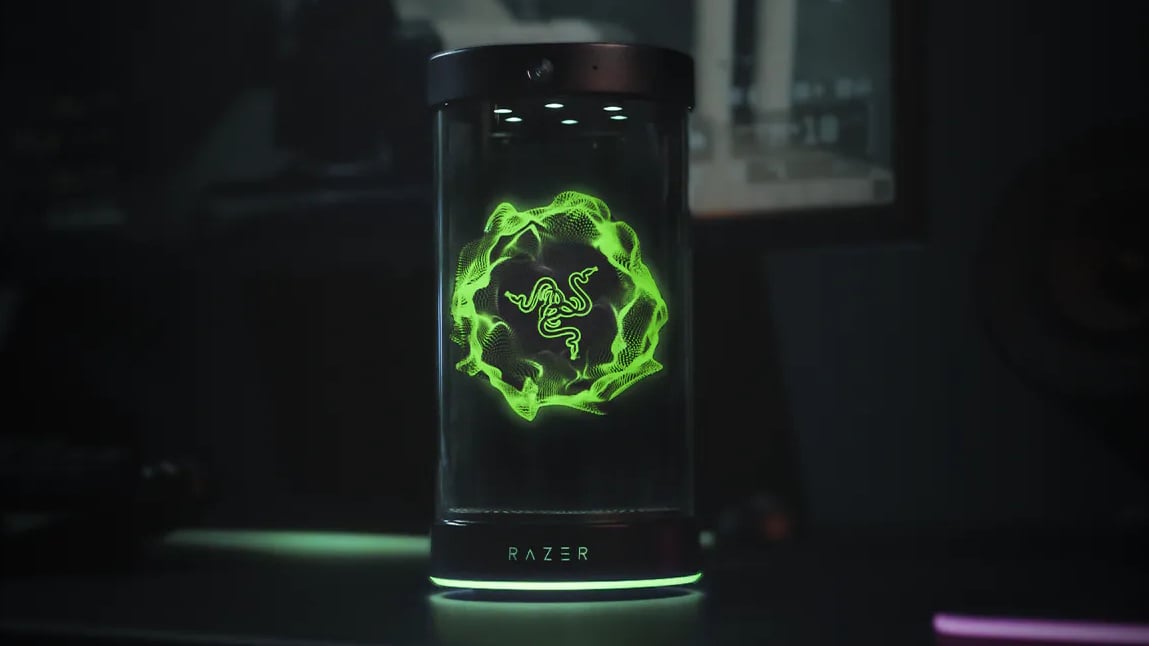
In a recent interview, Razer’s CEO faced a moment of unexpected vulnerability as he navigated the tricky landscape of artificial intelligence. The ordeal emerged during a conversation about Razer’s new AI companion platform, Razer Grok, which is intended to enhance gaming and productivity across the board. However, what began as a straightforward discussion soon unraveled into an awkward moment that highlighted the complexities of integrating AI into everyday tech.
A Bold AI Endeavor
Razer, renowned for its innovation in gaming hardware, has now ventured into AI, launching Grok, its ambitious platform designed to give users an intuitive, customizable virtual assistant tailored for gaming environments. This move is seen as a natural progression for a company at the forefront of technological advances, aiming to redefine user interaction in the digital gaming space.
The platform, backed by cutting-edge technology, seeks to provide gamers with an edge by offering real-time advice and enhancing gameplay through intelligent systems. This includes the ability to analyze in-game scenarios and suggest strategic moves, positioning Razer Grok as a transformative tool in the gaming industry.
The Interview Mishap
During the interview, the focus swiftly shifted from Razer’s AI ambitions to a more pressing concern – the limitations and potential pitfalls of AI integration. The CEO’s responses to probing questions highlighted an apparent disconnect between the company’s visionary goals for Grok and the current technical realities facing AI in gaming.
The interview was notably marred by a moment where the CEO attempted to demonstrate Grok’s capabilities live, only for the system to falter under pressure. This exposed not only the fragility of current AI systems but also illustrated the nascent stage of Grok’s development.
Navigating AI’s Complex Landscape
This incident underscores the broader challenges faced by tech companies as they seek to leverage AI in practical, impactful ways. Despite extensive advancements in AI, real-time adaptability, user personalization, and seamless integration remain significant hurdles.
As tech leaders push forward, the need for robust, reliable AI systems that enhance rather than complicate user experiences becomes paramount. This challenge is especially pronounced in the gaming industry, where real-time response and accuracy are critical.
The incident served as a reality check, highlighting the gap between AI’s potential and its present limitations. For Razer, it is a call to ensure Grok not only meets the high expectations set by its initial promises but also works flawlessly under real-world conditions.
While the botched demonstration was a setback, it reflects the iterative nature of technological progression. Companies like Razer must continuously test the boundaries of innovation while learning from their missteps to refine and perfect their offerings.
Razer’s journey with Grok will be closely monitored by industry analysts and competitors alike, indicating a wider interest in how AI can truly transform interactive digital experiences. Despite the stumble, the company remains optimistic about the vast potential AI holds for gaming and technology at large.
As the dialogue surrounding AI’s role in enhancing digital experiences continues to evolve, Razer’s ambitious efforts signify an important marker in both the challenges and triumphs AI development faces today. This event highlights the dual nature of innovation—exciting yet fraught with unforeseen challenges, serving as a testament to the resilience required to push technological boundaries.
, image: https://kotaku.com/razer-ava-ai-grok-interview-slop-motoko-2000661233