 Vanda Svobodova
The advent of eSIM technology promised to revolutionize mobile connectivity, offering seamless transitions between networks and the elimination of physical SIM cards. Yet, for many, including myself, the transition to eSIM in 2025 has brought an unexpected wave of challenges. With high hopes, I counted the days until I could ditch the physical SIM and embrace what seemed like a futuristic leap. However, reality proved to be less glamorous, and my eSIM experience was riddled with setbacks that may make others reconsider their transition.
The Convenience that Never Was
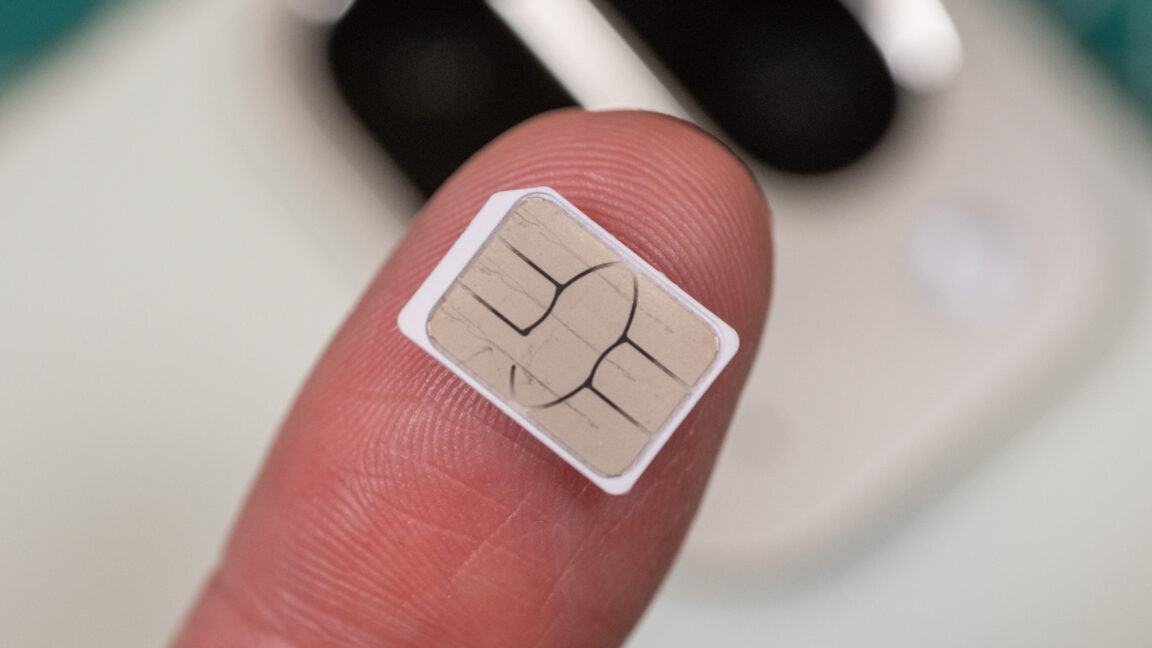
eSIMs, embedded SIM cards, were meant to simplify life, enabling users to change carriers without the fuss of inserting and removing tiny plastic chips. However, this convenience was marred by compatibility issues. As various smartphone brands raced to adopt eSIM technology, not all carriers were prepared to support it. This left many consumers, myself included, grappling with limited network choices and the need to remain tethered to specific carriers.
This lack of ubiquity quickly turned into frustration. While traveling internationally — an eSIM perk touted for its ease of switching to local networks — I found my choices significantly constrained. Not all international carriers offered eSIM support, forcing me to either endure outrageous roaming charges or revert to physical SIMs, completely negating the supposed eSIM advantage.
Activation Agonies
The initial setup of an eSIM was another unexpected hurdle. Traditional SIM cards boasted plug-and-play simplicity, but eSIM activation often necessitated navigating labyrinthine carrier processes. Delayed activations, requiring multiple interactions with customer support, became the norm. The anticipated quick switch became a test of patience as tech support queues swelled with similar complaints.
Moreover, the variation in activation procedures among different carriers often led to confusion. Each provider had distinctive steps involving QR codes or proprietary apps, deepening the mire of complexity rather than delivering the simplicity I had anticipated from this new-age tech. This inconsistency only added to the sense of regret over switching prematurely to eSIM technology.
A Learning Curve for All
Even as tech-savvy users like myself struggled, it’s imperative to note that carriers themselves were on a steep learning curve. The move to eSIM required substantial changes in infrastructure and support systems — changes that many carriers seemed partly ready for. Staff unfamiliar with the specifics of eSIM support often provided incomplete assistance, exacerbating an already complicated situation for the customer.
Security Concerns
One of the more jarring revelations of my eSIM experience was the security implication. While advocates heralded eSIMs as a more secure alternative to physical SIM cards due to less susceptibility to theft, they were not impervious to digital vulnerabilities. Stories of SIM-swapping attacks, where cybercriminals commandeer phone numbers for malicious intent, have not been completely eradicated with the advent of eSIM.
Furthermore, the centralized nature of eSIM management meant potential exposure to risks via hacking attempts on carrier systems. This additional layer of electronic dependency increased my wariness about how well my personal information was safeguarded compared to my previous SIM card experience. Those contemplating eSIM adoption should weigh these concerns carefully.
The Future of eSIM
Despite these setbacks, the potential of eSIM technology remains undeniable, yet untapped in many ways. For users considering making a shift, patience and thorough research are key. Understanding the current limitations and the pace at which carriers adapt is crucial to ensuring a smooth transition.
The road to a fully-realized eSIM era is not without its speed bumps, but innovations and improvements are on the horizon. With technological advancements and a more harmonized approach across carriers, there remains hope that the true benefits of eSIM technology will soon be realized. Until then, users may want to consider the nuances and potential frustrations before making the leap from physical SIM cards.
For now, the eSIM journey is a work in progress, best approached with caution, a keen awareness of its current constraints, and the readiness to take on its complexities. As I learned through my own experience, what was meant to be a simplification can quickly turn into a complicated entanglement, prompting a reassessment of what we truly need from our mobile connectivity solutions.
, image: https://arstechnica.com/gadgets/2025/12/i-switched-to-esim-in-2025-and-i-am-full-of-regret/