 Vanda Svobodova
The tech industry, once celebrated for its awe-inspiring launches, seems to be experiencing a decline in the magic that once captivated audiences worldwide. Gone are the days when new product unveilings induced wide-eyed amazement and set the stage for groundbreaking changes. What factors contribute to this dwindling excitement, and how is it impacting consumer perception and the market dynamic at large?
The Erosion of Anticipation in Tech Unveils
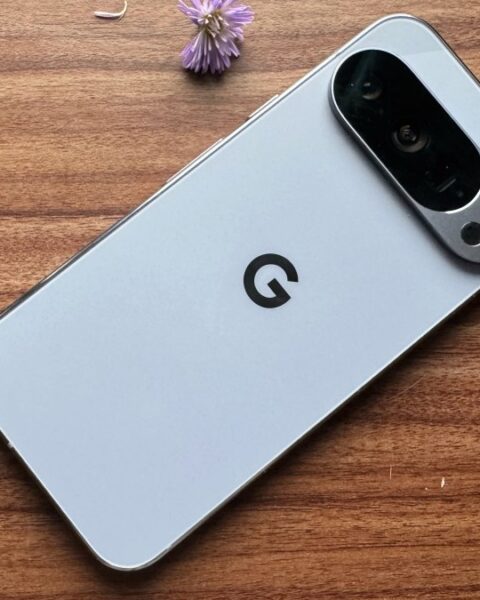
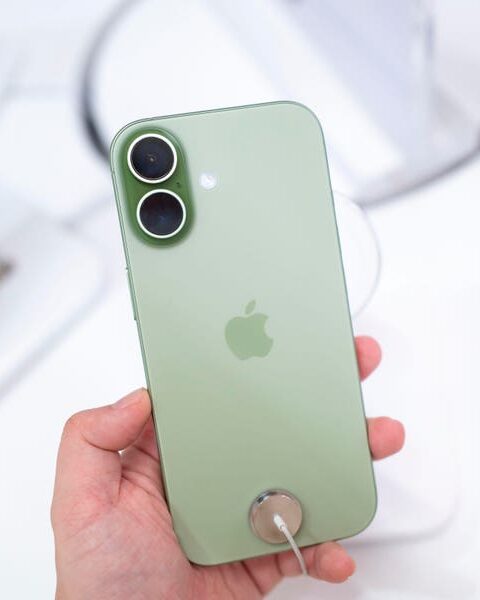
In the past, technology launches were orchestrated with the grandeur and flair of theatrical shows, where companies like Apple entranced audiences with revelations that felt nothing short of revolutionary. However, the allure of such events has gradually dissipated. One key reason is the shift in consumer expectations. With rapid technological advancements becoming the norm, consumers are increasingly difficult to impress. The market saturation with gadgets that offer incremental improvements rather than groundbreaking innovation has further reduced the wow factor.
Another contributing factor is the predictability of leaks and rumors that often spoil the surprise of these launches. Companies struggle to keep a lid on secrecy due to the interconnected nature of the internet, where information is constantly shared and dissected long before the official events. This constant flow of leaks diminishes the excitement and urgency that once surrounded tech announcements.
The Role of Incremental Innovation
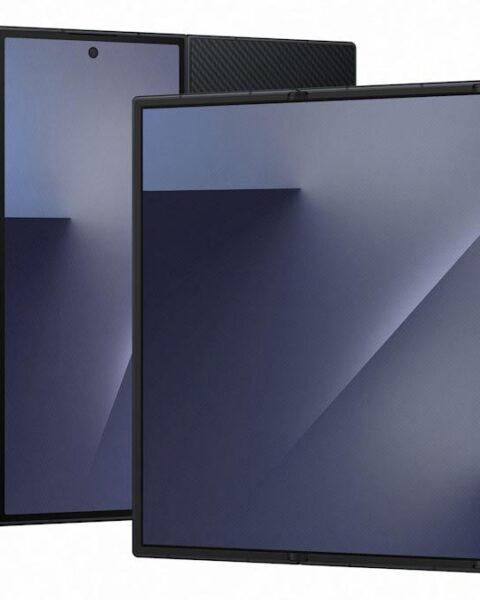
The pace of technological advancement has rendered some launches less than magical because they often represent only marginal improvements over predecessors. While advances continue to be made, they tend to focus on refinement rather than radical change. Consumers today expect more than just enhanced specs; they look for something truly transformative—a rare occurrence amid annual product iterations.
Furthermore, as mature markets start to plateau, tech companies shift their focus towards services and subscriptions rather than hardware innovation alone. This strategic pivot further dilution the anticipation surrounding traditional product unveilings. Tech giants are also rapidly diversifying into more iterative updates across a wide range of products from phones to wearables, making each individual product less pivotal within the grander scheme of their portfolios.
The Impact on Consumer Engagement
The decline in launch magic not only affects consumer excitement but also influences buying behavior. Consumers are more likely to delay upgrading their devices because incremental changes do not justify the cost of new purchases as significantly as previous innovations may have. This mentality leads to longer device cycles, pressuring manufacturers to continuously engage consumers through other means such as software updates or unique services.
Shifting Marketing Strategies
In response, companies have also adjusted their marketing tactics to maintain consumer engagement. They blend hardware launches with accompanying software or service offerings to create a holistic ecosystem. This approach emphasizes added value and recurring engagement over one-time purchases. For instance, tech companies may highlight integration features, provide enticing subscription models, or introduce loyalty programs to retain user interest.
- Focus on ecosystems: Companies are emphasizing compatibility and connectivity between their devices to encourage a seamless user experience.
- Innovative service offerings: Introductions of new services can generate buzz comparable to that of hardware announcements.
- Strengthening brand communities: Tech brands are prioritizing customer feedback and involvement to create loyal consumer bases.
By focusing more on software and services, tech companies hope to secure revenue streams that extend beyond mere hardware sales, potentially reinvigorating consumer interest by offering products that grow over time with regular updates and expanded functionalities.
As we look to the future, the landscape of tech unveils continues to evolve alongside consumer expectations and market dynamics. While the magic of product launches may not mirror their former glory, companies are learning to adapt, innovate, and captivate users in novel ways, signaling a new era of engagement within the tech sphere.
, image: https://lifehacker.com/tech/why-tech-launches-stopped-feeling-magical